The necessity of using a Constant Temperature Shaker in enzymatic hydrolysis lies in its ability to synchronize precise thermal conditions with mechanical agitation. This device is critical because it maintains the specific temperature required for optimal enzyme activity (typically around 50°C) while simultaneously generating shear and impact forces to physically expose the solid paper pulp to the liquid enzymes.
Core Takeaway Enzymatic hydrolysis is not just a chemical process; it is a physical one that requires constant interaction between solid substrates and liquid catalysts. The shaker is indispensable because it prevents the reaction from stalling due to pulp sedimentation or localized buildup of sugars that inhibit enzyme function.
The Synergy of Heat and Motion
To understand why this equipment is non-negotiable for processing mixed waste office paper, one must look at how it drives the reaction kinetics.
Precise Thermal Regulation
Enzymes are highly sensitive to temperature fluctuations. The Constant Temperature Shaker maintains a stable environment, often set to 50°C, which is the optimal range for cellulase activity.
If the temperature drops, the reaction slows significantly; if it rises too high, the enzymes may denature and lose effectiveness.
Enhancing Mass Transfer
Waste paper pulp is a solid substrate, while cellulase is a liquid enzyme. The shaker provides continuous oscillating motion, creating the mechanical energy needed to mix these two phases.
This motion generates shear and impact forces that increase the surface area contact between the enzyme and the fiber, ensuring the biological catalyst can physically reach the cellulose chains.
Overcoming Physical Barriers
Beyond basic mixing, the shaker resolves specific physical obstacles inherent to processing solid waste paper.
Preventing Substrate Sedimentation
Without constant agitation, the heavy paper pulp tends to settle at the bottom of the vessel. This sedimentation separates the substrate from the enzyme solution, effectively halting the hydrolysis process in the settled layers.
The shaker keeps the solids in suspension, ensuring uniform exposure to the enzymes throughout the entire reaction period.
Mitigating Feedback Inhibition
As enzymes break down cellulose, they release products like glucose and xylose. If these sugars accumulate directly around the enzyme, they can cause feedback inhibition, chemically signaling the enzyme to stop working.
The oscillating motion creates fluid turbulence that sweeps these hydrolysis products away from the active site. This "cleaning" effect facilitates the timely removal of products, allowing the enzymes to continue releasing sugars efficiently.
Understanding the Risks of Static Incubation
While the equipment adds complexity to the setup, omitting it creates significant process failures.
The Pitfall of Poor Contact
Attempting hydrolysis in a static environment (like a standard oven without agitation) relies solely on diffusion. This results in incomplete hydrolysis, as the enzymes cannot penetrate the dense clumps of wet paper pulp.
Inconsistent Yields
Without the mechanical shear provided by the shaker, the release of glucose and xylose becomes unpredictable and generally low. This makes it impossible to achieve the high sugar yields necessary for subsequent fermentation or biofuel production steps.
Making the Right Choice for Your Goal
When designing your hydrolysis protocol, consider how the shaker aligns with your specific objectives.
- If your primary focus is maximizing sugar yield: Ensure the oscillation speed is high enough to suspend solids fully without creating excessive shear that might damage the enzymes.
- If your primary focus is process consistency: Rely on the shaker’s thermal precision to eliminate temperature gradients that cause batch-to-batch variability.
Ultimately, the Constant Temperature Shaker transforms a passive mixture into an active, high-efficiency reactor capable of unlocking the chemical potential of waste paper.
Summary Table:
| Feature | Function in Enzymatic Hydrolysis | Impact on Paper Pulp Processing |
|---|---|---|
| Precise Thermal Control | Maintains optimal temperature (e.g., 50°C) | Prevents enzyme denaturation and ensures peak activity |
| Mechanical Agitation | Generates shear and impact forces | Increases surface area contact between enzymes and fiber |
| Solid Suspension | Prevents substrate sedimentation | Ensures uniform reaction and prevents process stalling |
| Fluid Turbulence | Mitigates feedback inhibition | Sweeps sugars away from enzymes to maintain reaction speed |
Maximize Your Lab’s Hydrolysis Efficiency with KINTEK
Precision and consistency are the foundations of successful biofuel and chemical research. At KINTEK, we specialize in high-performance laboratory equipment designed to handle the rigors of material processing. Whether you are optimizing enzymatic hydrolysis or scaling up battery research, our Constant Temperature Shakers, homogenizers, and high-temperature reactors provide the reliability you need.
From advanced crushing and milling systems to essential PTFE consumables and ceramics, KINTEK delivers comprehensive solutions for target customers in waste processing, material science, and industrial R&D.
Ready to upgrade your research capabilities? Contact our technical experts today to find the perfect equipment for your specific application!
References
- Walainud Congthai, Kaemwich Jantama. Exploiting Mixed Waste Office Paper Containing Lignocellulosic Fibers for Alternatively Producing High-Value Succinic Acid by Metabolically Engineered Escherichia coli KJ122. DOI: 10.3390/ijms26030982
This article is also based on technical information from Kintek Solution Knowledge Base .
Related Products
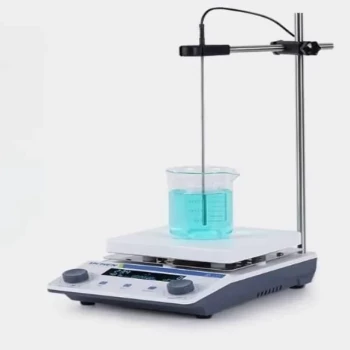
- Laboratory Small Constant Temperature Heated Magnetic Stirrer Heater and Stirrer
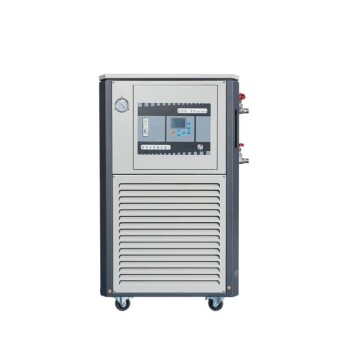
- High Temperature Constant Temperature Heating Circulator Water Bath Chiller Circulator for Reaction Bath
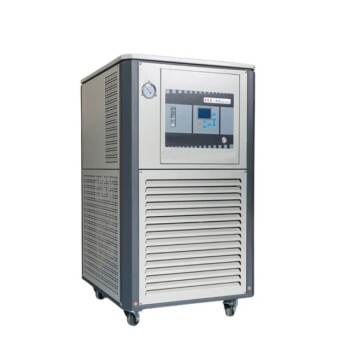
- 5L Heating Chilling Circulator Cooling Water Bath Circulator for High and Low Temperature Constant Temperature Reaction
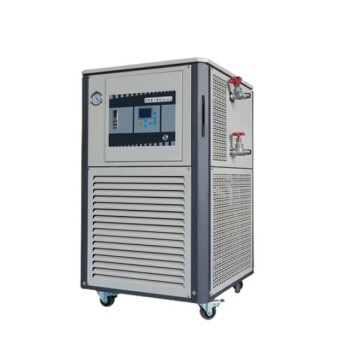
- 50L Chiller Water Bath Cooling Circulator Low Temperature Constant Temperature Reaction Bath
- 10L Heating Chilling Circulator Cooling Water Bath Circulator for High and Low Temperature Constant Temperature Reaction
People Also Ask
- What role does a magnetic stirrer with heating play in ZnO nanoparticle synthesis? Precision Control for Quality Results
- What role does a constant temperature heating magnetic stirrer play in MFC-HAp synthesis? Achieve Material Homogeneity
- What is the function of a laboratory magnetic stirrer in Ni–Cr–P electrodeposition? Optimize Ion Transport & Coating
- Why is a laboratory magnetic stirrer required for benzoic acid esters? Boost Reaction Speed & Yield with High RPM
- What role does a laboratory magnetic stirrer play in TiO2 and TiO2-Ag sol preparation? Master Chemical Kinetics