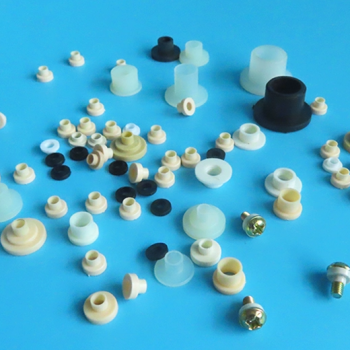
The primary function of an insulator gasket in a multi-stage water electrolyzer is to serve as a critical physical barrier between the positive and negative electrode plates. By preventing these plates from touching, the gasket stops short circuits and dictates the path of the electrical current.
In a multi-stage electrolyzer, the insulator gasket is the defining component that forces electricity to conduct through the electrolyte rather than the metal plates. This ensures the energy is used efficiently for the electrochemical reaction while simultaneously protecting the power supply from electrical faults.
The Mechanics of Electrode Isolation
Preventing Direct Contact
In a multi-stage structure, electrode plates are stacked in close proximity. The insulator gasket is positioned directly between the positive and negative electrode plates. Its fundamental role is to physically isolate these conductive components to ensure they never make direct contact.
Directing Current Flow
For water electrolysis to occur, electricity must pass through the liquid electrolyte. The gasket acts as a definitive roadblock for the current, preventing it from taking the path of least resistance across the metal plates. This forces the electrical current to travel through the electrolyte solution, which is the necessary condition for splitting water molecules.
System Protection and Efficiency
Safeguarding the Power Supply
A short circuit between plates would create a surge of uncontrolled current. This surge poses a significant risk to the external power supply system. The insulator gasket protects the hardware by eliminating the possibility of these damaging electrical shorts.
Maximizing Electrochemical Output
Efficiency in an electrolyzer is defined by how much electricity is actually used to drive the reaction. By blocking short circuits, the gasket ensures that the supplied current is utilized strictly for the electrochemical reaction. This maintains the overall efficiency of the hydrogen production process.
Critical Considerations
The Consequence of Integrity Loss
The role of the insulator gasket is binary; it either isolates completely, or the system fails. There is no "partial" functionality here. If the gasket is compromised, current will bypass the electrolyte immediately. This results in a simultaneous drop in reaction efficiency and a spike in risk to the power infrastructure.
Making the Right Choice for Your Goal
To ensure the longevity and performance of your electrolyzer, consider the following based on your operational priorities:
- If your primary focus is hardware safety: Verify the physical integrity of the gasket to strictly prevent short circuits that could damage the power supply.
- If your primary focus is production efficiency: Ensure the gasket provides total isolation to force 100% of the current through the electrolyte for the reaction.
The insulator gasket is not merely a spacer; it is the essential component that directs energy where it is needed most.
Summary Table:
| Feature | Primary Role in Electrolyzer |
|---|---|
| Physical Isolation | Prevents direct contact between positive and negative electrode plates |
| Current Direction | Forces electrical current to pass through the electrolyte solution |
| Safety Protection | Safeguards the external power supply from uncontrolled surges |
| Energy Efficiency | Ensures electricity is used strictly for the electrochemical reaction |
| System Integrity | Maintains the necessary physical gap for stacked multi-stage structures |
Optimize Your Electrochemical Research with KINTEK
Precise isolation is the key to efficient hydrogen production and hardware safety. At KINTEK, we specialize in high-performance laboratory equipment and consumables designed for rigorous research environments. Whether you are building advanced electrolysis systems or conducting material analysis, our expertise ensures your success.
Our comprehensive portfolio includes:
- Electrolytic cells, electrodes, and specialized gaskets.
- High-temperature furnaces (muffle, vacuum, and CVD) for material processing.
- Battery research tools and high-precision hydraulic presses.
- PTFE, ceramics, and crucibles for superior chemical resistance.
Don't let component failure compromise your results. Partner with KINTEK for reliable, high-quality solutions tailored to your lab's needs. Contact us today to find the perfect equipment for your project!
References
- Ida Hamidah, Khairurrijal Khairurrijal. Surface of AISI 316 as Electrode Material for Water Electrolysis Under Potassium Hydroxide for Hybrid Car Application. DOI: 10.15282/ijame.15.4.2018.11.0448
This article is also based on technical information from Kintek Solution Knowledge Base .
Related Products
- Zirconia Ceramic Gasket Insulating Engineering Advanced Fine Ceramics
- Double-Layer Water Bath Electrolytic Electrochemical Cell
- Custom PTFE Teflon Parts Manufacturer for Non-Standard Insulator Customization
- Customizable PEM Electrolysis Cells for Diverse Research Applications
- Double Layer Five-Port Water Bath Electrolytic Electrochemical Cell
People Also Ask
- What are the applications of zirconia ceramics? Unlock High-Performance Solutions for Extreme Environments
- What ceramics are used for insulation? Choose the Right Material for Thermal or Electrical Needs
- What is the main disadvantage of zirconia? Balancing Strength, Aesthetics, and Tooth Wear
- What is the strongest type of zirconia? A Guide to Choosing the Right Dental Zirconia
- What are the failures of zirconia? Avoid Fracture and Debonding with Proper Protocol