The primary technical value of using mechanical crushing equipment is the significant increase in the biomass surface area-to-volume ratio. By physically reducing particle size through impact or grinding, these systems break down the fibrous structure of lignocellulose. This physical alteration is the critical prerequisite that lowers resistance to heat and mass transfer, allowing subsequent chemical or enzymatic processes to function effectively.
Core Takeaway Mechanical crushing transforms recalcitrant biomass into a reactive feedstock by disrupting its physical structure. This step minimizes the barriers that normally prevent chemicals and enzymes from reaching the cellulose, thereby directly enhancing the rate and overall yield of sugar conversion.
The Mechanics of Structural Disruption
Increasing Surface Area
The most immediate effect of equipment like hammermills or chippers is the reduction of particle size. By fracturing large biomass capabilities into smaller fragments, the surface area-to-volume ratio is drastically increased.
This expansion of surface area is not merely cosmetic; it is a functional necessity. It exposes a greater percentage of the material to the surrounding environment, setting the stage for all downstream reactions.
Reducing Transfer Resistance
Raw biomass naturally resists the penetration of heat and chemicals. Mechanical crushing lowers this heat and mass transfer resistance.
When particles are smaller and more porous, heat penetrates the material faster during thermochemical deconstruction. Similarly, fluids can saturate the material more thoroughly, ensuring consistent processing conditions throughout the batch.
Customizable Particle Sizing
Equipment like hammer mills offers high customizability through adjustable components, such as interchangeable screens and hammer shapes.
Operators can tune the output to achieve specific target sizes—typically between 0.2 and 2 mm. This flexibility allows the process to be optimized for the specific physical properties of the waste stream being utilized.
Enhancing Biological and Chemical Reactivity
Improving Reagent Accessibility
The primary barrier to sugar production is the rigid cell wall of the plant matter. Crushing equipment breaks apart this fibrous structure, making the cell walls accessible.
Once the structure is compromised, chemical pretreatment reagents or biological enzymes can reach the cellulose strands. This direct contact is vital for accelerating the hydrolysis process.
Modifying Cellulose Crystallinity
Beyond simple size reduction, high-energy mechanical forces can alter the microscopic properties of the biomass. Intense impact can reduce the crystallinity and degree of polymerization of the cellulose.
lowering crystallinity disrupts the organized structure of cellulose, making it less stable and more susceptible to enzymatic attack. This significantly shortens the time required for processes like saccharification or bio-hydrogen fermentation.
Understanding the Trade-offs
Energy Intensity
While mechanical reduction is effective, it relies on high-energy mechanical forces. Achieving very fine particle sizes (such as those required to significantly lower crystallinity) requires a substantial energy input.
Operators must balance the benefits of a finer grind against the rising cost of power consumption. There is a point of diminishing returns where the energy cost of further grinding outweighs the gain in sugar yield.
Equipment Wear and Maintenance
Mechanical crushing involves high-speed impact and friction. This leads to physical wear on hammers, screens, and milling surfaces.
Consistent maintenance is required to keep particle sizes uniform. Worn equipment may produce inconsistent feedstocks, which can re-introduce heat and mass transfer resistance in the next stage.
Making the Right Choice for Your Goal
The selection of crushing intensity and equipment configuration depends largely on your specific downstream requirements.
- If your primary focus is maximizing reaction speed: Aim for a finer particle size (closer to 0.2 mm) to maximize surface area and reduce crystallinity, accepting the higher energy cost.
- If your primary focus is process economy and handling: Target a coarser grind (closer to 2 mm) that sufficiently improves flowability and reagent accessibility without incurring excessive energy penalties.
Effective mechanical crushing is not just about making biomass smaller; it is about making biomass accessible.
Summary Table:
| Feature | Technical Impact on Biomass | Process Benefit |
|---|---|---|
| Surface Area | Dramatic increase in area-to-volume ratio | Higher accessibility for enzymes and chemicals |
| Transfer Resistance | Reduced heat and mass transfer barriers | Faster, more uniform thermochemical reactions |
| Cellulose Structure | Reduced crystallinity and polymerization | Accelerated saccharification and fermentation |
| Particle Size | Adjustable range (0.2 mm - 2 mm) | Optimized feedstock for specific downstream needs |
| Physical Integrity | Disruption of fibrous plant cell walls | Lowered recalcitrance for improved sugar yield |
Maximize Your Bioenergy Yield with KINTEK
Transform raw biomass into highly reactive feedstock with precision-engineered crushing and milling systems. KINTEK specializes in advanced laboratory and industrial solutions, including high-performance crushing and milling systems, sieving equipment, and hydraulic presses designed to optimize particle size and material reactivity.
Whether you are refining lignocellulosic processes or advancing battery research, our comprehensive portfolio—from high-temperature furnaces and reactors to PTFE consumables and cooling solutions—ensures your lab achieves consistent, scalable results.
Ready to optimize your biomass pretreatment? Contact KINTEK today for expert equipment solutions and let us help you bridge the gap between raw material and high-yield output.
References
- Jessica L. Brown, Robert C. Brown. Production of sugars from lignocellulosic biomass via biochemical and thermochemical routes. DOI: 10.3389/fenrg.2024.1347373
This article is also based on technical information from Kintek Solution Knowledge Base .
Related Products
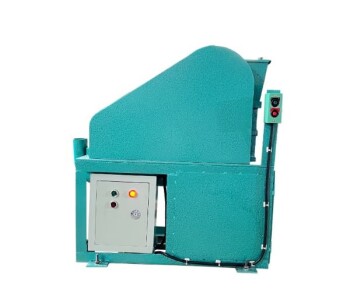
- Sealed Jaw Crusher High Efficiency Environmental Protection Safe and Reliable
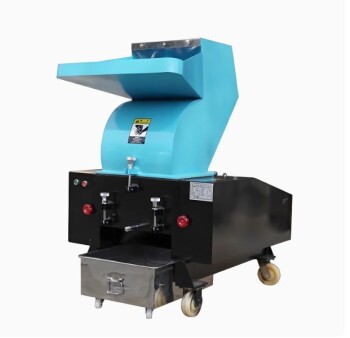
- Powerful Plastic Crusher Machine
- Laboratory Jaw Crusher
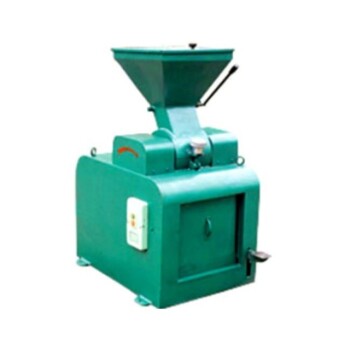
- Laboratory Sealed Hammer Crusher for Efficient Sample Preparation
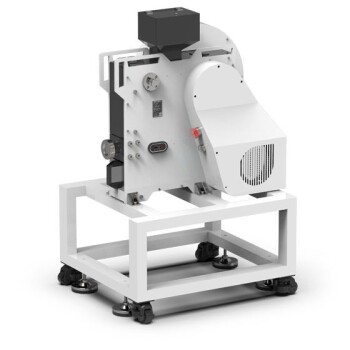
- Laboratory Disc Cup Vibratory Mill for Sample Grinding
People Also Ask
- How does a jaw crusher contribute to the primary processing of slate waste? Optimize Your Size Reduction Workflow
- What is the primary function of a jaw crusher in ore pre-treatment? Optimize Your Magnesite & Limonite Processing
- What is the use of jaw crusher in laboratory? The Essential First Step for Sample Reduction
- What is a laboratory crusher? The First Step to Accurate Sample Analysis
- What is a jaw crusher for labs? The Essential First Step for Accurate Sample Analysis