The primary purpose of using a zirconia mortar is to ensure absolute chemical purity during the manual grinding and mixing of hard ceramic materials. By utilizing zirconia’s exceptional hardness and smooth surface, researchers can rapidly homogenize NMC622 and LLZ samples without introducing foreign contaminants through equipment abrasion.
Core Insight: The validity of interface reactivity studies depends entirely on sample composition. Zirconia mortars prevent the "cross-contamination by abrasion" that occurs with softer tools, ensuring the chemical data you collect reflects the sample, not the mortar.
The Critical Importance of Material Hardness
Resisting Ceramic Abrasion
NMC622 and LLZ behave as hard ceramic particles. When these materials are ground against softer surfaces, they act as abrasives, scraping material off the tool and into the mixture.
Preventing Structural Contamination
Standard laboratory mortars, such as those made of agate, are often not hard enough to withstand this process. Using them results in the introduction of silica or other impurities that permanently alter the sample's composition.
Leveraging Zirconia's Durability
Zirconia possesses the high hardness requisite to resist this wear. It allows for vigorous manual grinding of battery materials without degrading the mortar surface itself.
Optimizing for Experimental Precision
Ensuring Purity for Reactivity Studies
The specific goal of mixing NMC622 and LLZ is often to study interface reactivity. Any foreign impurities introduced during mixing can catalyze unwanted side reactions or mask true interface behaviors.
Rapid Homogenization
Beyond hardness, zirconia mortars offer a notably smooth surface. This texture facilitates the quick and uniform distribution of components, which is critical when working with small-scale samples where inconsistencies are magnified.
Common Pitfalls in Equipment Selection
The Limitation of Agate
While agate is a laboratory staple, it is prone to wear when used with hard ceramics. This leads to subtle contamination that may be invisible to the eye but obvious in high-sensitivity analysis.
The Risk of Metal Mortars
Metal mortars should generally be avoided for these specific ceramics. They introduce metallic impurities that can drastically skew electrochemical performance and reactivity data.
Making the Right Choice for Your Goal
- If your primary focus is Interface Reactivity: Use zirconia to guarantee that no foreign particles from the mortar interfere with the chemical interactions between NMC622 and LLZ.
- If your primary focus is Sample Consistency: Rely on the smooth surface of zirconia to achieve rapid, uniform homogenization of small sample volumes.
Select your preparation tools with the same precision as your reactants to ensure data integrity.
Summary Table:
| Feature | Zirconia Mortar | Agate Mortar | Metal Mortars |
|---|---|---|---|
| Hardness | Extremely High | Moderate | Low (to abrasion) |
| Abrasion Resistance | Superior (No contamination) | Prone to wear | High risk of metallic particles |
| Surface Texture | Exceptionally Smooth | Smooth | Often porous/textured |
| Primary Benefit | Chemical purity for ceramics | General lab use | Heavy-duty crushing only |
| Suitability for NMC/LLZ | Ideal for interface studies | Poor (introduces silica) | Poor (skews electrochemical data) |
Achieve Uncompromised Experimental Precision with KINTEK
Don't let equipment wear compromise your battery research data. KINTEK specializes in high-performance laboratory solutions tailored for advanced material science. Whether you are conducting interface reactivity studies with high-temperature furnaces (CVD, PECVD, vacuum) or preparing samples with our precision crushing and milling systems, hydraulic presses, and zirconia ceramics, we provide the purity your lab demands.
From high-pressure reactors to electrolytic cells and specialized battery research consumables, our team ensures you have the right tools for reliable, reproducible results.
Contact KINTEK today to optimize your lab setup!
Related Products
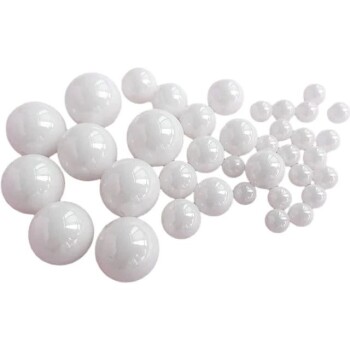
- Precision Machined Zirconia Ceramic Ball for Engineering Advanced Fine Ceramics
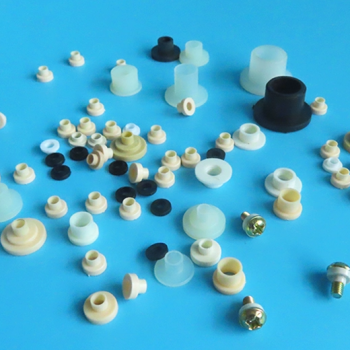
- Zirconia Ceramic Gasket Insulating Engineering Advanced Fine Ceramics
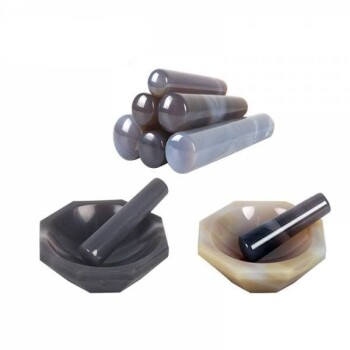
- Nature Agate Mortar and Pestle for Grinding and Mixing
- Dental Porcelain Zirconia Sintering Ceramic Furnace Chairside with Transformer
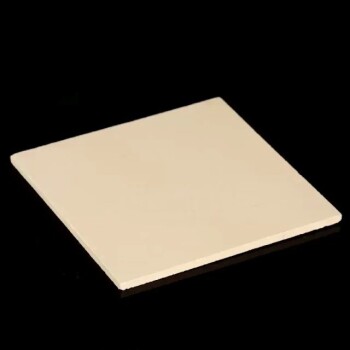
- Precision Machined Yttria Stabilized Zirconia Ceramic Plate for Engineering Advanced Fine Ceramics
People Also Ask
- What are the applications of zirconia ceramics? Unlock High-Performance Solutions for Extreme Environments
- What is the physical mechanism for selecting hard grinding media? Optimize Your ZrC-Al Matrix Composite Production
- Why are zirconia milling balls preferred for P2-type layered oxides? Ensure High Purity and Grinding Efficiency
- What is the purpose of using zirconia milling balls of different diameters? Optimize Solid Electrolyte Processing
- Why are zirconia grinding jars and balls required for solid-state electrolyte powders? Ensure High Purity & Performance