The gas purification unit serves as the critical gatekeeper in the Solid-State Hydride Synthesis (SHS) process. Its primary function is to rigorously scrub carrier gases, such as methane (natural gas) and argon, to remove specific impurities before the reaction commences. By eliminating trace oxygen and moisture, this unit establishes the baseline chemical conditions required for successful metal dispersion.
The purification unit does more than clean the gas; it secures the integrity of the reducing environment. By preventing re-oxidation, it preserves the metal's reactivity and creates the pristine surface interface necessary for bonding thermally stable protective films.
Preserving the Chemical Environment
Removing Trace Contaminants
The success of SHS relies heavily on the purity of the input gases. The gas purification unit is engineered to target and eliminate trace amounts of oxygen and moisture found in commercial carrier gases.
Stabilizing the Reducing Atmosphere
For the synthesis to proceed correctly, a reducing environment must be maintained. The unit ensures that gases like methane and argon enter the system in a state that supports reduction rather than combustion or oxidation.
Enabling Surface Protection
Preventing Metal Re-oxidation
Dispersed metals are highly reactive and prone to immediate degradation. The purification step effectively prevents oxygen from reaching the metal surfaces during the critical heating phases.
Preparing the Interface for Coating
One of the sophisticated goals of SHS is the formation of organosilicon protective films. These films require a chemically clean interface to form successfully.
Ensuring Thermal Stability
By providing a contaminant-free surface, the unit allows the protective film to bond securely. This results in a coating that remains stable even under high thermal stress.
The Risks of Inadequate Purification
Immediate Surface Degradation
If the gas purification unit fails or is bypassed, the consequences are immediate. Even microscopic levels of moisture can react with the metal, rendering the dispersion process ineffective.
Failure of Protective Films
A surface contaminated by oxidation cannot support a stable organosilicon film. Without the clean interface provided by the purification unit, the protective coating will likely fail to adhere or lack the required durability.
Integrating Purification for Optimal Results
While the equipment is standard, the rigorousness of its application determines the quality of your final product.
- If your primary focus is high-purity metal dispersion: Ensure the unit is capable of scrubbing moisture to trace levels to preventing immediate surface oxidation.
- If your primary focus is long-term film stability: Prioritize the elimination of oxygen to guarantee a pristine interface for the organosilicon bonding process.
The gas purification unit is not merely a filter; it is the foundational control that dictates the chemical viability of the entire synthesis.
Summary Table:
| Feature | Role in SHS Process | Impact on Quality |
|---|---|---|
| Contaminant Removal | Eliminates trace oxygen and moisture from carrier gases | Prevents immediate surface degradation of reactive metals |
| Atmosphere Control | Stabilizes reducing environment (Methane/Argon) | Ensures reduction occurs instead of unwanted oxidation |
| Surface Preparation | Creates a chemically clean interface | Facilitates secure bonding of thermally stable protective films |
| Film Integrity | Prevents oxide layer interference | Guarantees long-term durability and stability of organosilicon coatings |
Elevate Your Material Synthesis with KINTEK Precision
Don't let trace contaminants compromise your high-purity metal dispersions or protective film integrity. KINTEK specializes in advanced laboratory equipment designed to maintain the most rigorous chemical environments. Whether you are performing Solid-State Hydride Synthesis (SHS), CVD/PECVD coating, or high-temperature metal processing, our comprehensive range of high-temperature furnaces, gas-tight reactors, and high-pressure autoclaves provides the control you need.
From crushing and milling systems for precursor preparation to high-temperature furnaces and vacuum solutions for pristine synthesis, KINTEK delivers the tools to ensure your research achieves maximum thermal stability and purity.
Ready to optimize your synthesis process? Contact our technical experts today to find the perfect purification and furnace solutions for your laboratory's needs.
References
- L. A. Yachmenova, V R Kabirov. Features of obtaining surface-modified metals with minimal carbon footprint. DOI: 10.17580/nfm.2023.02.06
This article is also based on technical information from Kintek Solution Knowledge Base .
Related Products
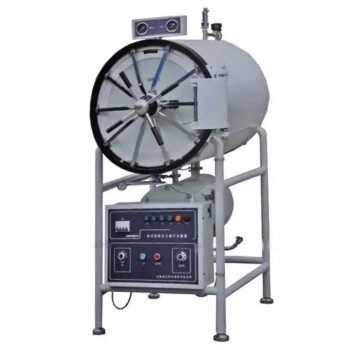
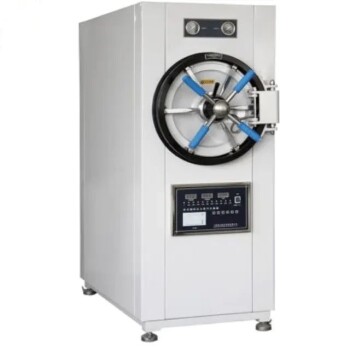
- Laboratory Sterilizer Lab Autoclave Pulsating Vacuum Desktop Steam Sterilizer
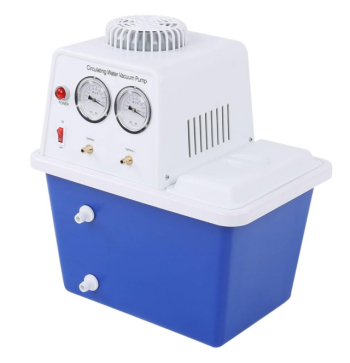
- Circulating Water Vacuum Pump for Laboratory and Industrial Use
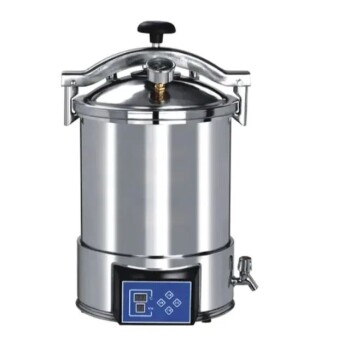
- Portable High Pressure Laboratory Autoclave Steam Sterilizer for Lab Use
- Laboratory Scientific Electric Heating Blast Drying Oven
- Laboratory High Pressure Steam Sterilizer Vertical Autoclave for Lab Department
People Also Ask
- What is the primary function of a laboratory sterilization autoclave? Master the Physics of Wet Heat Sterilization
- In what industries and applications are steam sterilizers or autoclaves used? Discover Key Uses Across 4 Major Sectors
- What precautions should be taken during autoclave in laboratory? A Complete Safety Guide to Prevent Burns and Explosions
- What extreme conditions does a laboratory autoclave simulate? Testing Wear Resistance of Nuclear Fuel Cladding
- What role does a laboratory autoclave play in HEA corrosion research? Key to Validating Advanced Reactor Materials