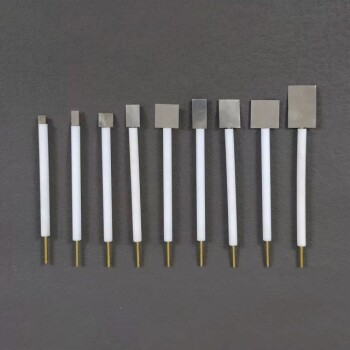
The standard three-electrode electrochemical reactor serves as the definitive tool for quantifiably measuring the corrosion resistance of nickel coatings on magnesium alloys without destroying the sample.
By establishing a precise circuit using a platinum counter electrode, an Ag/AgCl reference electrode, and the magnesium alloy sample as the working electrode, this system enables the use of Electrochemical Impedance Spectroscopy (EIS). This technique generates critical data—specifically polarization resistance and constant phase element parameters—that allows engineers to accurately predict the protective lifespan and integrity of the coating.
Core Takeaway Visual inspection is insufficient for evaluating modern protective coatings. A three-electrode system provides a standardized, non-destructive environment to mathematically quantify how well a nickel coating shields the vulnerable magnesium substrate, translating abstract chemical interactions into concrete performance metrics like polarization resistance (Rp).
The Architecture of the Evaluation System
To understand the data produced by these tests, you must first understand the precise configuration of the hardware. The reliability of your results hinges on the interplay between three specific components.
The Working Electrode (The Sample)
The magnesium alloy coated with nickel acts as the working electrode.
This is the variable in the experiment. The system applies electrical potential to this specific surface to measure its response to a corrosive environment.
The Reference Electrode
A standard setup utilizes an Ag/AgCl (Silver/Silver Chloride) electrode as the reference.
This electrode maintains a stable, constant potential. It acts as the "baseline" against which the potential of your magnesium sample is measured, ensuring that any voltage changes observed are due to the coating's performance, not system fluctuations.
The Counter Electrode
A platinum counter electrode completes the circuit.
Platinum is chemically inert, meaning it facilitates the flow of current without reacting itself. This ensures the current flows smoothly through the solution to the working electrode without introducing impurities or experimental noise.
The Mechanism of Measurement: EIS
The primary function of this reactor is to facilitate Electrochemical Impedance Spectroscopy (EIS). Rather than simply watching for rust, EIS applies a small AC signal to the system to gauge how the coating resists electrical current.
Non-Destructive Analysis
Unlike salt spray tests that degrade the sample until failure, the three-electrode reactor is non-destructive.
You can evaluate the coating's current state and determining its protective efficiency without altering its physical structure. This allows for repeated testing of the same sample over time to track degradation rates.
Quantifying Barrier Performance
The system calculates Polarization Resistance (Rp).
A higher Rp value indicates a more effective nickel coating. It essentially measures how difficult it is for electrons to transfer across the interface, directly correlating to higher corrosion resistance.
Analyzing Coating Defects
The system also measures the Constant Phase Element (CPE).
This parameter relates to the capacitance of the surface. Deviations in CPE values often signal microscopic imperfections, such as pores or defects in the nickel layer, where the electrolyte (corrosive liquid) is penetrating the coating.
Evaluating Coating Integrity
Beyond basic resistance, the three-electrode setup provides deep insights into the structural quality of the coating.
Pore Resistance and Charge Transfer
By analyzing the impedance data, you can separate the pore resistance of the coating from the charge transfer resistance at the metal surface.
This distinction is vital. It tells you whether failure is occurring because the coating is too porous (structural issue) or because the coating material itself is chemically failing (material issue).
Simulating Real-World Environments
These tests are typically conducted in sodium chloride solutions to mimic marine or industrial environments.
This allows for the objective comparison of different coating technologies, such as comparing the efficiency of Atomic Layer Deposition (ALD) against Physical Vapor Deposition (PVD) multi-layers.
Understanding the Limitations
While the three-electrode reactor is the industry standard for precision, it requires careful interpretation.
The "Equivalent Circuit" Requirement
EIS data does not provide a direct "pass/fail" result; it must be fitted to an equivalent electrical circuit model.
If the circuit model chosen by the operator does not accurately represent the physical layers of the nickel-on-magnesium system, the calculated resistance values will be incorrect.
Localized vs. Average Corrosion
The three-electrode system generally measures the average response of the entire surface area exposed to the solution.
It may sometimes mask highly localized pitting corrosion if the overall polarization resistance remains high. It is a tool for averaging surface performance, not necessarily for detecting a single microscopic pinhole in a large sample.
Making the Right Choice for Your Goal
When selecting an evaluation method for nickel coatings on magnesium, use the three-electrode reactor to solve specific engineering problems.
- If your primary focus is predicting lifespan: Rely on Polarization Resistance (Rp) data. High Rp values are the strongest indicator of long-term anti-corrosion performance.
- If your primary focus is quality control of the application process: Analyze the Constant Phase Element (CPE) and pore resistance. These metrics will reveal microscopic defects or porosity issues in the deposition process (e.g., ALD vs. PVD).
- If your primary focus is monitoring active protection: Use the system to track Charge Transfer Resistance over time, which indicates how well corrosion inhibitors or the barrier layer are preventing the underlying magnesium from reacting.
Ultimately, the three-electrode reactor transforms corrosion from a visual observation into a quantifiable physics problem, allowing you to validate coating performance with mathematical certainty.
Summary Table:
| Component | Material/Type | Functional Role |
|---|---|---|
| Working Electrode | Nickel-Coated Magnesium | The sample being tested for corrosion resistance. |
| Reference Electrode | Ag/AgCl (Silver/Silver Chloride) | Provides a stable baseline potential for measurement. |
| Counter Electrode | Platinum (Inert) | Completes the circuit without introducing impurities. |
| Primary Metric | Polarization Resistance (Rp) | High values indicate superior coating barrier efficiency. |
| Analysis Method | EIS | Non-destructive technique to detect microscopic defects. |
Elevate Your Corrosion Testing with KINTEK Precision
Ensure the integrity of your protective coatings with KINTEK’s advanced electrochemical solutions. Whether you are performing Electrochemical Impedance Spectroscopy (EIS) or developing next-generation nickel-on-magnesium systems, our high-precision electrolytic cells and electrodes provide the reliability your research demands.
From laboratory equipment like high-temperature furnaces and hydraulic presses to specialized electrochemical reactors, KINTEK specializes in empowering researchers with tools for battery research, material science, and corrosion analysis.
Ready to transform your visual data into quantifiable performance metrics?
Contact Our Experts Today to find the perfect electrochemical setup for your laboratory.
References
- Ivana Škugor Rončević, Nives Vladislavić. Effective and Environmentally Friendly Nickel Coating on the Magnesium Alloy. DOI: 10.3390/met6120316
This article is also based on technical information from Kintek Solution Knowledge Base .
Related Products
- H Type Electrolytic Cell Triple Electrochemical Cell
- Reference Electrode Calomel Silver Chloride Mercury Sulfate for Laboratory Use
- Graphite Disc Rod and Sheet Electrode Electrochemical Graphite Electrode
- Metal Disc Electrode Electrochemical Electrode
- Rotating Platinum Disk Electrode for Electrochemical Applications
People Also Ask
- What is a H type cell? A Guide to Divided Electrochemical Cells for Accurate Experiments
- How should the electrolyte be prepared and added to the H-type electrolytic cell? Best Practices for Purity and Safety
- What is the technical necessity of using an H-type electrolytic cell for NO3RR tests? Protect Your Ammonia Yields
- How does the design of an H-type electrolytic cell benefit the neutral water electrolysis process for metal recovery?
- What is the primary function of an H-type electrolytic cell in NitRR? Ensure Accurate Product Yields