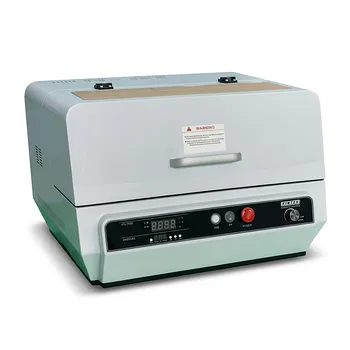
The combined process of sodium hydroxide (NaOH) solution and shaking equipment functions as a dual-action regeneration system. This method leverages the chemical properties of a strong base alongside physical mechanical force to strip trapped contaminants from adsorbent materials. Its primary role is to dissolve sulfur compounds and effectively restore the adsorption activity of mesoporous silica, specifically MCM-41, allowing it to be reused.
This approach integrates chemical desorption with mechanical cleaning. The alkaline environment alters the chemical bonds holding the contaminants, while the physical shaking flushes the dissolved sulfur compounds out of the pores to reset the material for future cycles.
The Mechanics of Regeneration
The Chemical Role of Sodium Hydroxide
The sodium hydroxide solution is the chemical driver of this process. It introduces a strong alkaline environment to the adsorbent system.
This high pH alters the fundamental interaction between the trapped adsorbates and the active adsorption sites.
By changing these chemical conditions, the solution effectively loosens and dissolves the sulfur compounds that have accumulated within the material's structure.
The Mechanical Role of Shaking
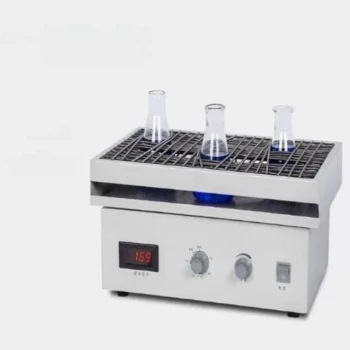
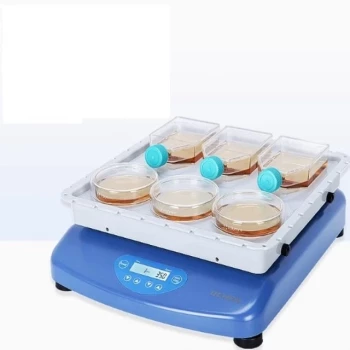
While the chemical solution loosens the contaminants, the shaking equipment provides the necessary physical agitation.
This mechanical action serves a critical cleaning function, moving the solution vigorously through the adsorbent media.
The shaking forces the dissolved compounds out of the intricate pore structure, stripping away residue that a static soak might leave behind.
Restoring MCM-41 Activity
The ultimate objective of this combined process is the restoration of mesoporous silica MCM-41.
By thoroughly removing the sulfur compounds from the pores, the specific surface area and pore volume are reclaimed.
This ensures the material regains its adsorption activity, making it viable for reuse in subsequent processing cycles.
Understanding the Interactions
Synergy Over Isolation
Neither step is fully effective on its own for this specific application.
Sodium hydroxide alone might dissolve the compounds, but without agitation, the residue could remain trapped in the deep pores of the silica.
Conversely, shaking alone lacks the chemical potency to break the bond between the sulfur compounds and the adsorption sites.
Impact on Pore Structure
The process is designed to clean without destroying the delicate architecture of the mesoporous silica.
The mechanical cleaning effect must be vigorous enough to strip the pores but controlled enough to maintain the structural integrity of the MCM-41.
Operational Considerations
Handling Strong Alkalis
Using sodium hydroxide requires careful management of chemical concentrations.
While high alkalinity is necessary for dissolving sulfur, it must be balanced to prevent degradation of the silica framework over repeated cycles.
Energy and Mechanics
The inclusion of shaking equipment introduces moving parts and energy consumption to the regeneration cycle.
Operators must ensure the mechanical equipment creates consistent agitation to prevent "dead zones" where regeneration fails to occur.
Optimizing Your Regeneration Strategy
When evaluating this regeneration method for your adsorption system, consider your specific operational goals.
- If your primary focus is removing stubborn sulfur compounds: Rely on the high pH of the NaOH solution to chemically sever the bond between the contaminant and the silica.
- If your primary focus is maximizing material reuse: Ensure the mechanical shaking is aggressive enough to fully flush the pores, preventing gradual fouling over time.
By synchronizing chemical dissolution with mechanical cleaning, you convert a single-use waste product into a sustainable, reusable asset.
Summary Table:
| Component | Primary Role | Key Effect |
|---|---|---|
| Sodium Hydroxide (NaOH) | Chemical Desorption | Dissolves sulfur compounds by altering chemical bonds via high pH. |
| Shaking Equipment | Mechanical Agitation | Flushes dissolved contaminants out of mesoporous structures (pores). |
| Target Material | MCM-41 Mesoporous Silica | Restores specific surface area and pore volume for reuse. |
| Combined System | Dual-Action Regeneration | Strips deep residue to reset adsorption activity and prevent fouling. |
Maximize Your Lab’s Material Life with KINTEK
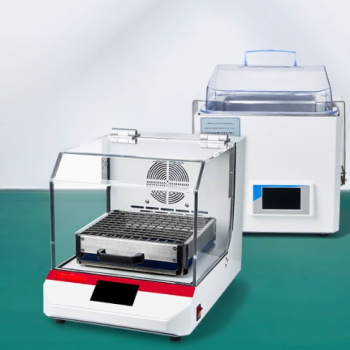
Don't let contaminated adsorbents slow down your research. KINTEK specializes in high-performance laboratory equipment designed to optimize your material regeneration processes. Whether you are working with mesoporous silica or complex catalyst systems, our comprehensive range of crushing and milling systems, shaking equipment, and high-temperature reactors provides the precision and durability needed for consistent results.
From PTFE products and ceramics to advanced vacuum and atmosphere furnaces, KINTEK is committed to providing researchers with the tools to turn waste into reusable assets. Our experts are ready to help you select the ideal configuration for your specific chemical and mechanical needs.
Ready to enhance your lab's efficiency and sustainability? Contact KINTEK today to find the perfect solution!
References
- Ammar Kadhum, Talib M. Albayati. Desulfurization of Real Diesel Fuel onto Mesoporous Silica MCM-41 Implementing Batch Adsorption Process: Equilibrium, Kinetics, and Thermodynamic Studies. DOI: 10.30684/etj.2022.132385.1110
This article is also based on technical information from Kintek Solution Knowledge Base .
Related Products
- Shaking Incubators for Diverse Laboratory Applications
- Laboratory Vibratory Sieve Shaker Machine for Dry and Wet Three-Dimensional Sieving
- Laboratory Test Sieves and Vibratory Sieve Shaker Machine
- Laboratory Multifunctional Small Speed-Adjustable Horizontal Mechanical Shaker for Lab
- Laboratory Oscillating Orbital Shaker
People Also Ask
- What physical conditions does a shaking incubator provide for bioethanol fermentation? Optimize Yeast Productivity
- Why is the mechanical agitation provided by a shaking incubator necessary for the enzymatic hydrolysis of biomass?
- What critical reaction conditions does a shaking incubator provide? Optimize Cassava Cellulose Enzymatic Hydrolysis
- What are the primary functions of a shaking incubator? Optimize Biomass Fenton Pretreatment Efficiency
- What function does a laboratory shaking incubator serve for halophilic archaea? Optimize Your Seed Cultivation Today