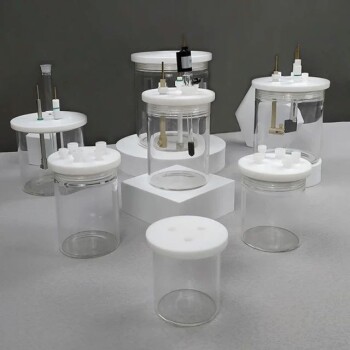
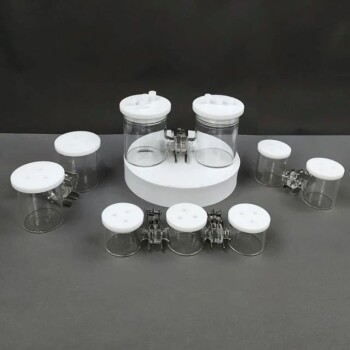
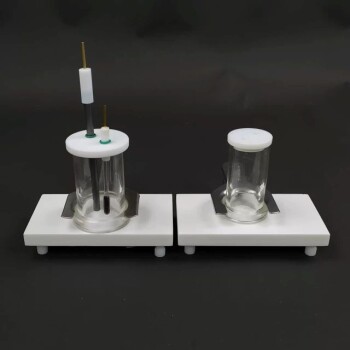
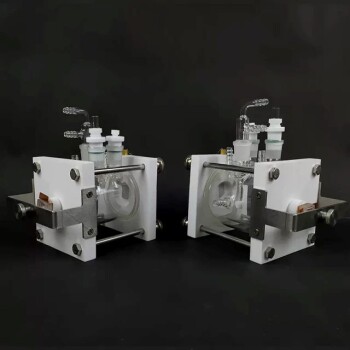
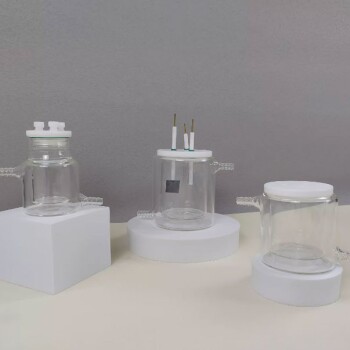
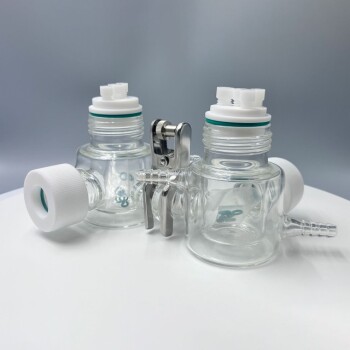
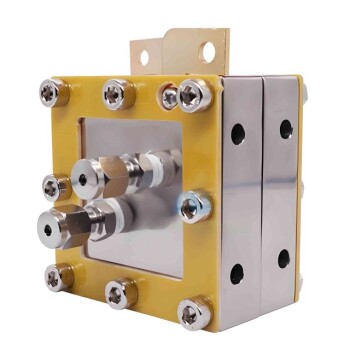
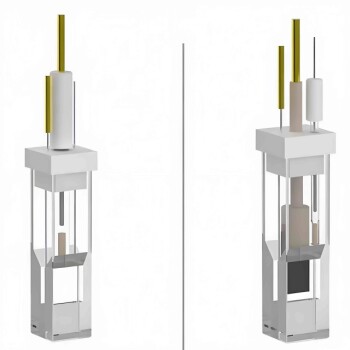
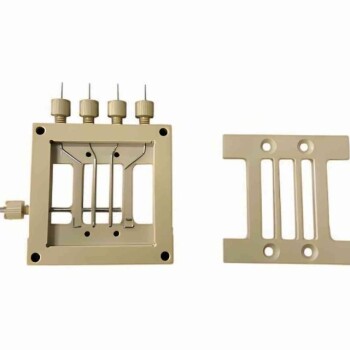
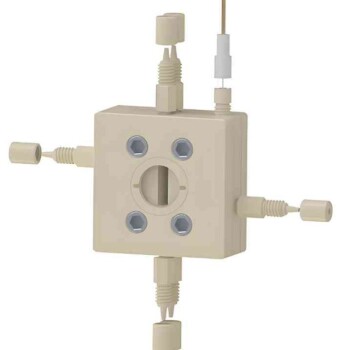
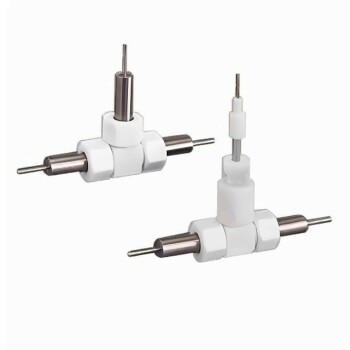
The use of a high-precision electrolytic cell equipped with a lead cathode is significant because it guarantees the stable reduction potential necessary for the successful polymerization of vanillin. This specific configuration drives the efficient coupling of vanillin dimers in an aqueous sodium hydroxide medium, serving as the fundamental driver for both high reaction yields and superior material properties.
Core Takeaway Achieving high-quality Polyvanillin requires more than just mixing reagents; it demands strict electrochemical control. The lead cathode and precision cell work in tandem to maximize yields up to 91% while unlocking critical polymer characteristics like thermal stability and metal ion chelation.
The Mechanics of Electrochemical Control
Establishing a Stable Reduction Potential
The primary function of using a high-precision electrolytic cell in this synthesis is stability.
In electrochemical polymerization, fluctuations in voltage can lead to inconsistent reaction pathways. A high-precision setup ensures the potential remains constant throughout the process.
The Role of the Lead Cathode
The lead cathode is not merely a passive conductor; it is an active component in the reduction process.
It creates the specific electrochemical environment required to facilitate the efficient coupling of vanillin dimers. This dimerization is the critical first step in building the polymer chain.
Reaction Medium Compatibility
This apparatus is specifically optimized to function within aqueous sodium hydroxide solutions.
The interplay between the lead electrode and the alkaline medium allows the reduction to proceed smoothly without degrading the reactants.
Impact on Yield and Performance
Achieving Maximal Yields
Precise control over the electrochemical parameters directly correlates to the quantity of product produced.
By stabilizing the reduction potential, researchers can achieve Polyvanillin yields as high as 91 percent. This efficiency makes the process viable for more than just theoretical study.
Enhancing Material Properties
The synthesis method dictates the final properties of the polymer.
Polyvanillin produced under these strictly controlled conditions exhibits excellent thermal stability. This suggests a uniform molecular structure formed through consistent polymerization.
Functional Capabilities
Beyond stability, the electrochemical process unlocks functional chemical behaviors.
The resulting polymer possesses strong metal ion chelation capabilities, making it valuable for applications requiring the binding or removal of metal ions.
Understanding the Trade-offs
The Cost of Precision
While high yields are desirable, achieving them requires specialized equipment.
Using a high-precision cell implies a need for rigorous calibration and monitoring, which may increase the operational complexity compared to simpler, less efficient methods.
Specificity of the Electrode
The success of this reaction is tightly coupled to the lead cathode.
Substituting the cathode material often alters the overpotential and reaction kinetics. Consequently, using alternative metals without adjusting other parameters would likely result in lower yields or a failure to polymerize effectively.
Optimizing Your Synthesis Strategy
To get the most out of this electrochemical reduction process, align your equipment choices with your specific project goals.
- If your primary focus is maximizing production volume: Prioritize the stability of the reduction potential to consistently hit the 91% yield benchmark.
- If your primary focus is application development: Ensure the lead cathode is maintained perfectly to guarantee the polymer retains its metal chelation and thermal properties.
Precision in the laboratory is the only path to consistency in the final polymer.
Summary Table:
| Feature | Specification/Role | Impact on Polyvanillin Synthesis |
|---|---|---|
| Equipment | High-Precision Electrolytic Cell | Ensures stable reduction potential and consistent reaction pathways. |
| Cathode Material | Lead (Pb) | Facilitates efficient dimerization of vanillin in alkaline media. |
| Reaction Medium | Aqueous Sodium Hydroxide | Optimizes electrochemical environment for smooth reduction. |
| Maximum Yield | Up to 91% | Enables high-efficiency production suitable for advanced applications. |
| Key Properties | Thermal Stability & Chelation | Results in uniform molecular structures and metal-binding capabilities. |
Elevate Your Electrochemical Research with KINTEK
Precise results demand superior hardware. KINTEK specializes in high-performance laboratory solutions, providing the specialized electrolytic cells, electrodes, and high-temperature reactors necessary for complex polymer synthesis and battery research. Whether you are optimizing Polyvanillin production or developing next-generation energy materials, our precision-engineered equipment ensures the stability and control your breakthroughs require.
Our value to you:
- Comprehensive Portfolio: From advanced electrolytic systems to muffle furnaces and hydraulic presses.
- Guaranteed Precision: Tools designed to maintain the exact potentials and temperatures needed for maximum yield.
- Expert Support: Solutions tailored to the needs of material scientists and laboratory researchers.
Ready to achieve 91% yields and beyond? Contact KINTEK today to find the perfect electrochemical setup for your lab!
References
- Weijun Yang, P. J. Lemstra. Bio‐renewable polymers based on lignin‐derived phenol monomers: Synthesis, applications, and perspectives. DOI: 10.1002/sus2.87
This article is also based on technical information from Kintek Solution Knowledge Base .
Related Products
- PTFE Electrolytic Cell Electrochemical Cell Corrosion-Resistant Sealed and Non-Sealed
- Super Sealed Electrolytic Electrochemical Cell
- Electrolytic Electrochemical Cell with Five-Port
- H Type Electrolytic Cell Triple Electrochemical Cell
- Electrolytic Electrochemical Cell Gas Diffusion Liquid Flow Reaction Cell
People Also Ask
- What is the necessity of selecting a PTFE electrolytic cell? Ensure Precise Graphene Corrosion Testing Accuracy
- What is the proper method for cleaning the surface of an all-PTFE electrolytic cell? Ensure Accurate Results with a Pristine Surface
- How should an all-PTFE electrolytic cell be stored after use? Expert Maintenance Tips for Long-Lasting Performance
- What is the proper cleaning method for an all-PTFE electrolytic cell? Essential Tips for Surface Integrity
- What are the standard opening specifications for all-PTFE electrolytic cells? A Guide to Sealed vs. Non-Sealed Ports