Hydrothermal Carbonization (HTC) reactors provide a specialized subcritical water environment characterized by temperatures around 180°C and autogenous high pressures ranging from 2 to 10 MPa. This sealed, liquid-phase process allows for the direct treatment of high-moisture waste mushroom substrate without pre-drying, driving chemical reactions such as dehydration, decarboxylation, and polycondensation to synthesize high-efficiency biochar.
The core value of the HTC reactor lies in its ability to utilize self-generated pressure within a liquid medium to alter the biomass structure. This creates dense hydrochar with rich aromatic functional groups and developed microporosity, significantly enhancing its utility for heavy metal adsorption and solid fuel applications.
The Critical Process Conditions
The Subcritical Water Environment
The fundamental condition provided by an HTC reactor is a subcritical water medium. Instead of evaporating moisture, the reactor maintains water in a liquid state, allowing it to act as both a solvent and a reaction medium for the wet mushroom substrate.
This eliminates the energy-intensive pre-drying stage required by traditional dry pyrolysis. It ensures the carbon source is preserved and efficiently converted even when the starting material has high moisture content.
Thermal and Autogenous Pressure Dynamics
The reactor creates a consistent thermal environment, typically operating at 180°C. This temperature is the catalyst for the breakdown of the biomass structure.
Crucially, the reactor is a sealed vessel that utilizes autogenous pressure—pressure generated naturally by water vapor and gases evolved during the reaction. This pressure, typically reaching between 2 and 10 MPa, is essential for forcing the physical and chemical transformation of the loose substrate into dense particles.
Chemical Transformation Mechanisms
Under these specific heat and pressure conditions, the substrate undergoes dehydration and decarboxylation. These reactions strip oxygen and hydrogen from the biomass in the form of water and carbon dioxide.
Simultaneously, polycondensation and polymerization occur. These processes reassemble the carbon structures, transforming the degraded biomass into a stable, carbon-rich material known as hydrochar.
Impact on Biochar Properties
Surface Chemistry Enhancement
The pressurized hydrothermal environment promotes the formation of specific surface chemistries. It significantly increases the density of aromatic and oxygen-centered functional groups on the biochar surface.
These functional groups act as "active sites." They are the primary reason this specific type of biochar is highly effective at interacting with and binding to contaminants in aqueous solutions.
Structural Densification and Porosity
The high-pressure environment forces the development of a microporous structure. Unlike raw mushroom substrate, the resulting biochar possesses a complex network of pores.
This structural evolution drastically increases the material's surface area. This physical change is directly responsible for the biochar's enhanced adsorption potential for removing heavy metal ions, such as cadmium.
Understanding the Trade-offs
Process Complexity vs. Pre-treatment
While HTC eliminates the need for drying, it introduces mechanical complexity. The reactor must be a robust pressure vessel capable of safely containing autogenous pressures up to 10 MPa at elevated temperatures.
Hydrochar vs. Pyrochar Characteristics
The "hydrochar" produced via HTC is chemically distinct from biochar produced by high-temperature dry pyrolysis ("pyrochar"). While hydrochar excels in surface functional groups and combustion reactivity, it may have different stability profiles or fixed carbon content compared to chars produced at 600°C+ in dry environments.
Making the Right Choice for Your Goal
To maximize the utility of HTC-derived biochar, align the process benefits with your specific end-use application:
- If your primary focus is Water Remediation: Leverage the high density of oxygen-containing functional groups and micropores to maximize the adsorption of heavy metals like cadmium.
- If your primary focus is Bioenergy Production: Utilize the reactor's ability to lower combustion activation energy and increase heating value to create a more efficient solid fuel from wet waste.
Ultimately, the HTC reactor transforms the liability of moisture into an asset, using pressure to forge a chemically active and structurally dense carbon material.
Summary Table:
| Condition | Parameter | Role in HTC Process |
|---|---|---|
| Temperature | ~180°C | Catalyzes biomass breakdown & chemical transformation |
| Pressure | 2 - 10 MPa (Autogenous) | Forces structural densification and micropore development |
| Medium | Subcritical Water | Acts as solvent & reactant; eliminates need for pre-drying |
| Reaction Time | Varies | Facilitates dehydration, decarboxylation, and polymerization |
| Key Outcome | Hydrochar | Produces carbon-rich material with high aromaticity |
Elevate Your Material Research with KINTEK
Transform wet biomass into high-value hydrochar with precision engineering. KINTEK specializes in advanced laboratory equipment, providing the robust high-temperature high-pressure reactors and autoclaves essential for successful Hydrothermal Carbonization (HTC).
Whether you are focusing on heavy metal adsorption, bioenergy production, or sustainable waste management, our equipment ensures safe, consistent, and efficient results. Our portfolio also includes crushing and milling systems, cooling solutions, and specialized consumables like PTFE and ceramics to support every stage of your research.
Ready to optimize your biochar synthesis? Contact our technical experts today to find the perfect reactor solution for your laboratory.
References
- Sandra Żarska, Wojciech Ciesielsk. New batteries, environmentally friendly, based on nanotubes - an inspiration for the energy industry. DOI: 10.21175/rad.abstr.book.2023.19.25
This article is also based on technical information from Kintek Solution Knowledge Base .
Related Products
- Customizable Laboratory High Temperature High Pressure Reactors for Diverse Scientific Applications
- High Pressure Laboratory Autoclave Reactor for Hydrothermal Synthesis
- Customizable High Pressure Reactors for Advanced Scientific and Industrial Applications
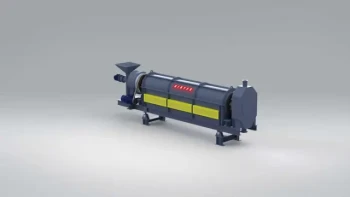
- Electric Rotary Kiln Small Rotary Furnace for Activated Carbon Regeneration
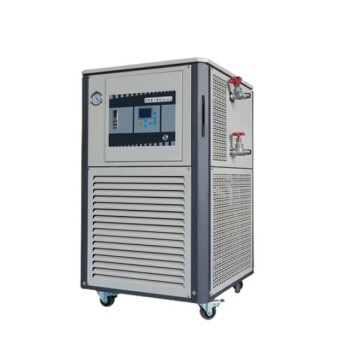
- High Temperature Constant Temperature Heating Circulator Water Bath Chiller Circulator for Reaction Bath
People Also Ask
- How do high-pressure and high-temperature reactors ensure the effective treatment of lignocellulosic wastewater in WAO?
- What equipment is required for high-pressure high-temperature reactions? Master Extreme Chemistry Safely
- How do you control high pressure in a reactor? A Guide to Safe & Stable Operation
- Why is argon better than nitrogen for inert atmosphere? Ensure Absolute Reactivity & Stability
- How does initial oxygen pressure affect the wet oxidation of pharmaceutical sludge? Master Your Oxidation Depth