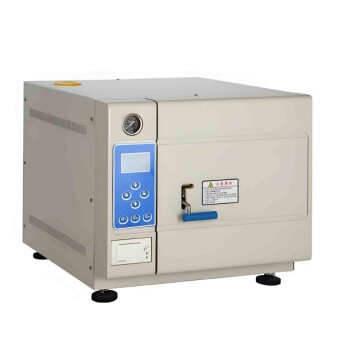
The stainless steel vertical reactor serves as the primary thermal processing vessel. It provides the controlled, high-temperature, and oxygen-deficient environment required to convert biomass precursors—such as peach or walnut shells—into high-quality activated carbon. This specialized equipment allows for the precise injection of activating agents like steam while preventing the complete combustion of the organic material.
A stainless steel vertical reactor acts as a high-strength, sealed environment that facilitates the precise thermochemical conversion of biomass at temperatures up to 1173 K. By maintaining an anaerobic atmosphere and managing the flow of activating gases, it ensures the development of highly porous structures essential for functional carbon materials.
Maintaining the Thermal and Chemical Environment
High-Temperature Structural Integrity
The reactor is engineered to withstand extreme thermal stress, often operating at temperatures reaching 1173 K (900 °C). At these levels, the stainless steel must maintain its mechanical strength to prevent warping while providing excellent thermal conductivity to ensure uniform heating of the biomass.
Creating an Anaerobic Atmosphere
A critical role of the reactor is to provide an oxygen-limited environment that prevents the biomass from undergoing complete combustion. By sealing the system and introducing inert nitrogen gas, the reactor ensures the material undergoes pyrolysis (thermal decomposition) rather than burning to ash, thereby preserving the fixed carbon content.
Management of Volatile Byproducts
The reactor design often includes specialized venting or micro-holes in the lid to allow volatile gases produced during pyrolysis to escape. This prevents over-pressure while simultaneously blocking external oxygen from entering the vessel, which stabilizes the final charcoal yield.
Engineering for Activation and Porosity
Precision Steam Activation
Once the biomass is carbonized, the reactor facilitates steam activation by allowing for the controlled introduction of water vapor. The reactor's sealed structure ensures that the steam interacts thoroughly with the carbon bed, etching the surface to create the highly porous structures required for filtration and adsorption.
Corrosion Resistance Against Acidic Vapors
During the breakdown of organic components, biomass precursors often release acidic vapors and corrosive bio-oils. The stainless steel construction provides the necessary chemical inertness to resist degradation from these byproducts, ensuring the reactor remains durable over multiple processing cycles.
Directional Gas Flow and Collection
The vertical orientation and sealing performance of the reactor facilitate the directional flow of reaction gases. This is vital for researchers and engineers who need to collect and analyze the resulting pyrolysis gas and bio-oil for further study or energy recovery.
Understanding the Trade-offs
Thermal Efficiency vs. Heat Loss
While stainless steel is a robust conductor, the reactor requires a high-quality insulation layer to minimize heat loss to the environment. Without proper insulation, the internal temperature distribution can become uneven, leading to inconsistent activation levels throughout the biomass batch.
Pressure Constraints
While most vertical reactors are designed for atmospheric or low-pressure activation, they must be carefully monitored if gaseous products are generated rapidly. Exceeding the mechanical pressure limits of the seals can lead to gas leaks, which compromises the anaerobic environment and risks oxidizing the precursor.
Material Fatigue and Maintenance
Continuous cycling between room temperature and 1173 K causes significant thermal expansion and contraction. Over time, this can lead to material fatigue, requiring regular inspections of the welds and seals to ensure the reactor remains airtight and safe for high-temperature operations.
Making the Right Choice for Your Goal
How to Apply This to Your Project
- If your primary focus is maximizing surface area: Ensure your reactor is equipped with precise mass flow controllers for steam injection and can maintain temperatures above 1000 K.
- If your primary focus is bio-oil collection: Prioritize a reactor design with a high-performance sealing system and a dedicated condenser outlet to capture vapors before they degrade.
- If your primary focus is operational longevity: Choose high-grade stainless steel alloys specifically rated for high-temperature corrosion resistance and implement a gradual heating/cooling ramp to reduce thermal shock.
By serving as both a protective shield and a precision chemical laboratory, the stainless steel vertical reactor is the indispensable core of the biomass activation process.
Summary Table:
| Feature | Role in Biomass Processing | Key Benefit |
|---|---|---|
| Thermal Integrity | Withstands temperatures up to 1173 K (900 °C) | Prevents warping and ensures uniform heating |
| Anaerobic Sealing | Maintains oxygen-deficient environment via N2 | Prevents combustion; preserves fixed carbon |
| Gas Management | Controlled steam injection and volatile venting | Facilitates precise etching for high porosity |
| Corrosion Resistance | Resists acidic vapors and corrosive bio-oils | Ensures equipment durability and longevity |
| Vertical Design | Facilitates directional gas flow and collection | Optimizes bio-oil capture and gas analysis |
Elevate Your Carbon Research with KINTEK Precision
Unlock the full potential of your biomass precursors with KINTEK’s specialized vertical reactors and high-temperature solutions. Whether you are focused on maximizing surface area through steam activation or capturing high-purity bio-oils, our equipment is engineered for the rigors of thermochemical conversion.
Why Choose KINTEK?
- Comprehensive Range: From high-temperature high-pressure reactors and autoclaves to CVD and atmosphere furnaces.
- Built for Durability: Our stainless steel and ceramic components are designed to resist corrosion and thermal fatigue.
- End-to-End Support: We provide everything from crushing and milling systems for precursor prep to pellet presses and cooling solutions for final product stabilization.
Ready to optimize your pyrolysis yield? Contact our technical experts today to find the perfect reactor configuration for your laboratory needs.
References
- E. Grigorova, Ivanka Stoycheva. Hydrogen Storage Properties of Ball Milled MgH2 with Additives- Ni, V and Activated Carbons Obtained from Different By-Products. DOI: 10.3390/ma16206823
This article is also based on technical information from Kintek Solution Knowledge Base .
Related Products
- Electric Rotary Kiln Small Rotary Furnace Biomass Pyrolysis Plant
- Stainless High Pressure Autoclave Reactor Laboratory Pressure Reactor
- Mini SS High Pressure Autoclave Reactor for Laboratory Use
- Laboratory High Pressure Steam Sterilizer Vertical Autoclave for Lab Department
- Electric Rotary Kiln Continuous Working Small Rotary Furnace Heating Pyrolysis Plant
People Also Ask
- What is the temperature of a rotating kiln? It Depends on Your Material and Process Goal
- What are the different types of calciners? A Guide to Selecting the Right Thermal Processing Equipment
- What are the principles of a rotary kiln? Master the Mechanics of High-Temperature Processing
- How are rotary kilns heated? Direct vs. Indirect Heating Methods Explained
- Is rotary kiln a furnace? Discover the Key Differences for Industrial Processing