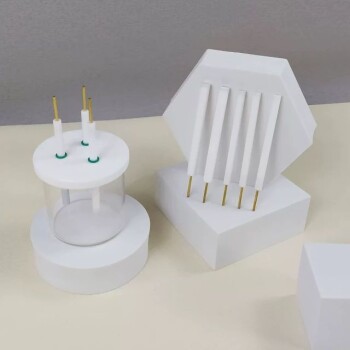
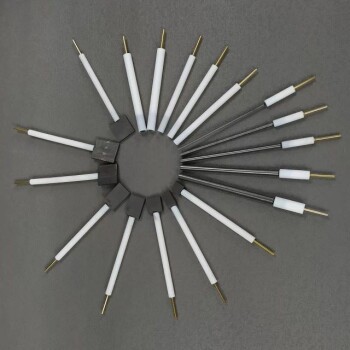
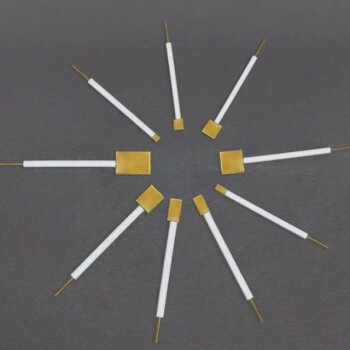
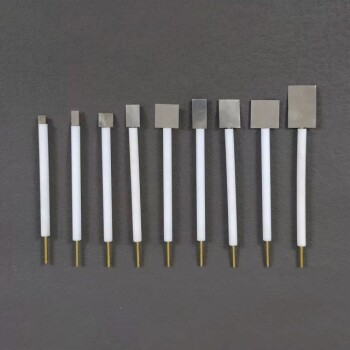
In the context of molten chloride salts, the tungsten electrode functions as the critical sensing interface. It acts as the working electrode during Cyclic Voltammetry (CV), providing the necessary conductive surface for electrochemical reactions to occur. This setup allows for the direct detection and measurement of corrosive impurities.
Tungsten serves as a robust working electrode that facilitates the reduction of MgOH+ species. Because the resulting peak current density is directly proportional to the concentration of these ions, tungsten enables real-time, in-situ monitoring of molten salt corrosivity.
The Mechanism of Detection
The Role of the Working Electrode
In a Cyclic Voltammetry setup, the working electrode is the site where the reaction of interest takes place. Tungsten is selected for this role because it remains stable and conductive even within the harsh environment of high-temperature molten salts. It provides the physical platform for electron transfer to occur.
Isolating the Impurity
The specific target of this monitoring process is the MgOH+ ion, a corrosive impurity found in chloride salts. When the voltage is cycled, these specific ions interact with the tungsten surface. The electrode facilitates the reduction of MgOH+, effectively capturing the electrochemical signature of the impurity.
Translating Chemistry to Data
From Reaction to Current
As the MgOH+ ions are reduced on the tungsten surface, electrons flow, generating a measurable electrical current. The system captures the "peak current density" produced during this specific redox reaction. This value is the primary data point derived from the CV test.
The Proportional Relationship
The reliability of this method hinges on a direct linear relationship. The peak current density measured at the tungsten electrode is directly proportional to the concentration of MgOH+ in the melt. By reading the current, technicians can mathematically derive the exact concentration of the impurity.
Real-Time Corrosivity Monitoring
Because the tungsten electrode can operate in-situ (directly within the molten salt), it allows for continuous monitoring. Operators do not need to extract samples for external lab analysis. This provides immediate feedback on the corrosivity levels of the system.
Critical Considerations and Constraints
Dependence on Electrode Surface State
While tungsten is stable, the accuracy of Cyclic Voltammetry relies heavily on the definition of "current density" (Current per unit of Area). For the proportionality to hold true, the active surface area of the tungsten electrode must remain constant and known.
Specificity of the Redox Reaction
The system works by identifying the specific voltage at which MgOH+ reduces. If the molten salt contains other impurities that reduce at similar potentials, they could theoretically interfere with the signal. The method relies on the distinct electrochemical behavior of MgOH+ on the tungsten surface to isolate the correct signal.
Making the Right Choice for Your Goal
To effectively utilize a tungsten electrode for monitoring molten salt, consider the following based on your operational objectives:
- If your primary focus is Process Safety: Rely on the real-time nature of the tungsten electrode's feedback to trigger immediate alarms if peak current density (and therefore corrosivity) spikes.
- If your primary focus is Quantitative Analysis: Ensure your calibration baselines are accurate, as the impurity concentration is derived mathematically from the peak current density, not measured directly.
By leveraging the stability of tungsten, you transform a complex chemical environment into a quantifiable, manageable data stream.
Summary Table:
| Feature | Role/Function in Monitoring |
|---|---|
| Electrode Material | Tungsten (Working Electrode) |
| Target Impurity | Corrosive MgOH+ ions |
| Detection Method | Cyclic Voltammetry (CV) |
| Core Mechanism | Reduction of MgOH+ on the electrode surface |
| Key Data Output | Peak current density proportional to concentration |
| Key Benefit | In-situ, real-time corrosivity monitoring |
Optimize Your Molten Salt Analysis with KINTEK
Precise electrochemical monitoring requires high-quality materials that withstand extreme environments. At KINTEK, we specialize in providing advanced laboratory equipment and consumables tailored for rigorous research and industrial applications.
Whether you are conducting battery research, material synthesis, or corrosivity studies, our extensive portfolio—including high-temperature furnaces (vacuum, tube, and atmosphere), electrolytic cells and electrodes, and precision crushing and milling systems—ensures your data is accurate and reproducible.
Enhance your lab’s efficiency today. Contact our experts to find the perfect tungsten electrodes and high-temperature solutions for your specific needs.
References
- Wenjin Ding, Thomas Bauer. Progress in Research and Development of Molten Chloride Salt Technology for Next Generation Concentrated Solar Power Plants. DOI: 10.1016/j.eng.2020.06.027
This article is also based on technical information from Kintek Solution Knowledge Base .
Related Products
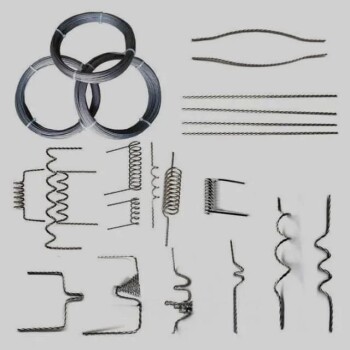
- Thermally Evaporated Tungsten Wire for High Temperature Applications
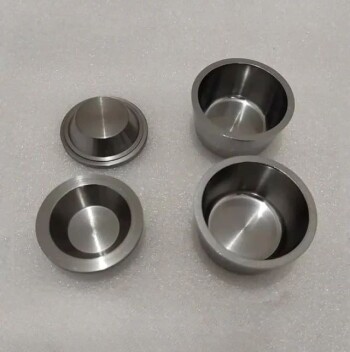
- Electron Beam Evaporation Coating Tungsten Crucible and Molybdenum Crucible for High Temperature Applications
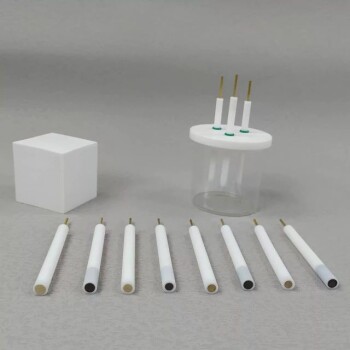
- Metal Disc Electrode Electrochemical Electrode
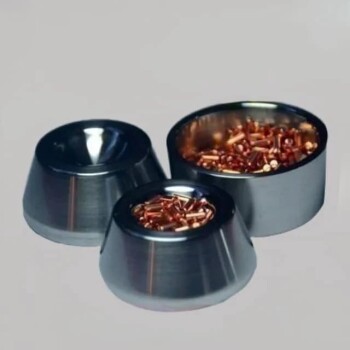
- Electron Beam Evaporation Coating Gold Plating Tungsten Molybdenum Crucible for Evaporation
- Rotating Platinum Disk Electrode for Electrochemical Applications
People Also Ask
- What are the disadvantages of tungsten filament? Key Limitations in Lighting Technology
- Does heat affect tungsten? Harnessing the Power of the Metal with the Highest Melting Point
- Is tungsten the most heat resistant material? It depends on your application's environment.
- What metal is closest to tungsten? Find the Best Alternative for Your High-Temp Needs
- Can tungsten withstand high temperature? Unlocking its full potential in extreme heat environments