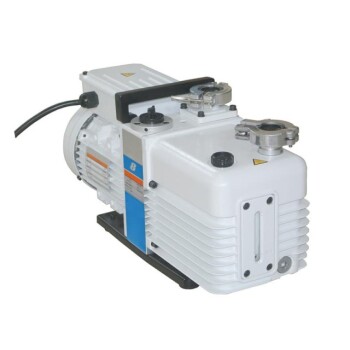
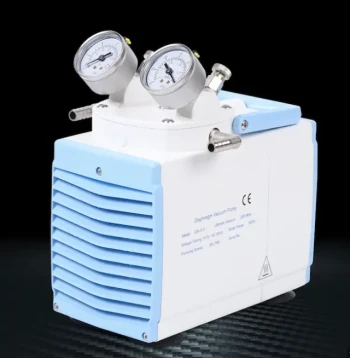
The primary function of a two-stage rotary vane vacuum pump in this system is to evacuate the quartz reaction tube to a base pressure of approximately 10⁻² mbar. By achieving this specific low-pressure threshold before the process begins, the pump removes atmospheric contaminants, ensuring that the subsequent introduction of high-purity nitrogen and acetylene gases occurs in a chemically clean environment.
Core Insight: In RF plasma carbonitriding, the quality of your vacuum defines the quality of your coating. This pump is not merely moving air; it is eliminating chemical variables (residual air) to ensure the phase structure and composition of the final layer are dictated exclusively by your precursor gases.
Establishing the Process Environment
Reaching the Critical Base Pressure
The initial step in radio frequency (rf) plasma carbonitriding is creating a controlled environment. The two-stage rotary vane pump is specifically tasked with lowering the pressure within the reaction tube to a base level of roughly 10⁻² mbar.
Creating a Clean "Canvas"
This evacuation is distinct from the active processing stage. Its purpose is to clear the chamber of ambient atmosphere.
By driving the pressure down to this level, the pump effectively "scrubs" the environment. It removes the vast majority of air molecules that would otherwise occupy the quartz tube.
Protecting Film Chemistry
Enabling High-Purity Gas Introduction
Once the base pressure is achieved, the system introduces the active process gases: a mixture of nitrogen and acetylene.
The vacuum pump ensures these gases enter a void rather than a mixture. This allows the high-purity precursors to interact with the substrate without dilution or contamination from atmospheric gases.
Minimizing Chemical Interference
The presence of residual air is detrimental to the carbonitriding process. Oxygen and moisture remaining in the chamber can react with the substrate or the precursor gases.
The two-stage pump minimizes this interference of residual air. This isolation is vital for controlling the chemical composition of the resulting carbonitride layer.
Ensuring Phase Structure Integrity
The physical properties of the carbonitride layer depend on its phase structure. This structure is sensitive to the chemical environment during formation.
By eliminating uncontrolled variables (air), the vacuum pump ensures that the phase structure is determined solely by the intended process parameters, not by random atmospheric contamination.
Common Pitfalls to Avoid
The Risk of Insufficient Vacuum
A common error is failing to allow the pump to reach the full 10⁻² mbar base pressure before starting the gas flow.
If the process begins while pressure is too high, oxidation becomes a significant risk. Even trace amounts of remaining oxygen can alter the thermodynamics of the surface reaction.
Overlooking Pump Maintenance
While the pump is robust, its ability to reach 10⁻² mbar depends on seal integrity and oil quality.
A pump that struggles to reach this baseline will leave higher levels of residual air. This leads to inconsistent layer composition and compromised material performance.
Making the Right Choice for Your Goal
To maximize the effectiveness of your RF plasma carbonitriding system, align your vacuum strategy with your specific material objectives:
- If your primary focus is Chemical Purity: Ensure your pump consistently achieves the 10⁻² mbar threshold to eliminate oxidation risks before gas introduction.
- If your primary focus is Structural Consistency: Monitor the base pressure prior to every run to guarantee that residual air interference does not alter the phase structure of the layer.
A disciplined vacuum protocol is the invisible foundation of a high-performance carbonitride layer.
Summary Table:
| Feature | Role in RF Plasma Carbonitriding |
|---|---|
| Target Base Pressure | Approximately 10⁻² mbar |
| Primary Function | Evacuation of quartz reaction tube to remove atmospheric contaminants |
| Gas Integrity | Ensures high-purity nitrogen & acetylene enter a clean environment |
| Layer Quality | Minimizes residual air interference to stabilize phase structure |
| Process Risk | Prevents oxidation and inconsistent coating chemistry |
Elevate Your Thin-Film Precision with KINTEK
Don't let residual air compromise your material research. KINTEK specializes in high-performance laboratory solutions designed for the most demanding environments. From our reliable two-stage rotary vane vacuum pumps and CVD/PECVD systems to our precision high-temperature furnaces, we provide the tools you need to ensure structural integrity and chemical purity. Whether you are scaling up battery research or perfecting high-pressure reactor protocols, our experts are ready to support your lab's specific needs.
Contact us today to optimize your vacuum system and material processing workflow!
References
- F.M. El-Hossary, M. Abo El-Kassem. Effect of rf Plasma Carbonitriding on the Biocompatibility and Mechanical Properties of AISI 321 Austenitic Stainless Steel. DOI: 10.4236/ampc.2014.42006
This article is also based on technical information from Kintek Solution Knowledge Base .
Related Products
- Laboratory Rotary Vane Vacuum Pump for Lab Use
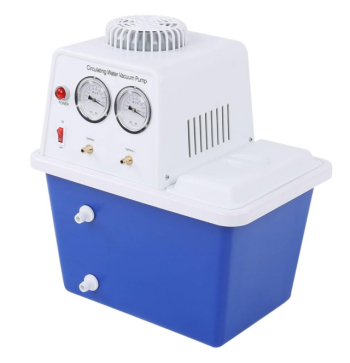
- Circulating Water Vacuum Pump for Laboratory and Industrial Use
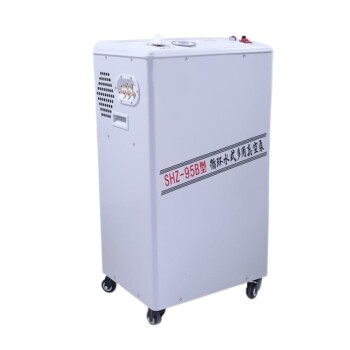
- Laboratory Vertical Water Circulating Vacuum Pump for Lab Use
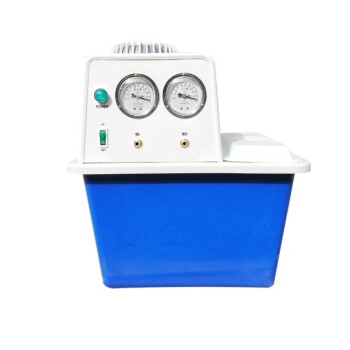
- Laboratory Benchtop Water Circulating Vacuum Pump for Lab Use
- Oil Free Diaphragm Vacuum Pump for Laboratory and Industrial Use
People Also Ask
- What is the use of rotary vacuum pump? A Guide to Reliable Rough Vacuum for Labs & Industry
- What is the vacuum level of a rotary vacuum pump? Achieve Medium Vacuum for Your Lab or Industry
- What is the difference between a single-stage and a two-stage rotary vane pump? Choosing the Right Vacuum Depth
- How does the performance of single-stage and two-stage rotary vane pumps compare? Optimize Your Vacuum Efficiency
- How does a Rotary Vane Pump operate? Discover Efficient Vacuum Technology for Your Lab