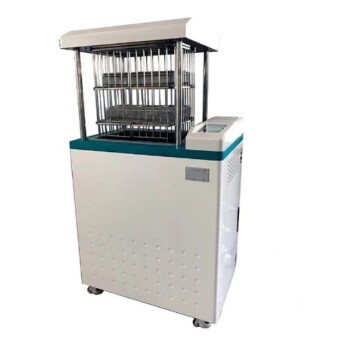
The ultrasonic cleaner acts as the critical surface activation step in the pre-treatment of 4140 low alloy steel. By utilizing high-frequency vibrations to generate a cavitation effect, it aggressively removes grease, polishing micro-debris, and chemical impurities that manual cleaning cannot reach. This process is the prerequisite for ensuring the steel surface is pristine and chemically active, allowing for the uniform diffusion of nitrogen atoms required to form a high-quality compound layer.
Core Takeaway While mechanical polishing shapes the steel, ultrasonic cleaning dictates the chemical readiness of the surface. Without the deep removal of microscopic barriers, nitrogen diffusion will be inconsistent, compromising the structural integrity of the final nitrided layer.
The Mechanics of Decontamination
The Power of Cavitation
The core mechanism of an ultrasonic cleaner is the cavitation effect. High-frequency sound waves travel through a liquid solvent, creating microscopic vacuum bubbles that rapidly expand and collapse.
Aggressive Micro-Scrubbing
When these bubbles implode against the surface of the 4140 steel, they release intense energy. This energy acts as a microscopic scrubber, dislodging stubborn contaminants like machining grease and micro-debris embedded in the surface irregularities.
Solvent Interaction
To maximize efficacy, this process typically utilizes specific solvents (such as acetone or isopropanol) which chemically dissolve organic residues. The ultrasonic agitation ensures fresh solvent constantly contacts the surface, accelerating the breakdown of impurities.
Impact on the Nitriding Process
Surface Activation
For nitriding to be successful, the steel surface must be highly activated. Any remaining oil or oxide films act as a barrier, preventing nitrogen atoms from penetrating the steel lattice.
Enabling Uniform Diffusion
The primary goal of this deep clean is to facilitate uniform nitrogen atom diffusion. If the surface is spotty or contaminated, the nitrogen uptake will be uneven.
Forming the Compound Layer
A consistent diffusion rate is necessary to form a high-quality compound layer. This hard outer layer is what provides the 4140 steel with its enhanced wear resistance and fatigue strength.
Operational Considerations and Trade-offs
Solvent Compatibility
While aggressive cleaning is necessary, the choice of solvent matters. Using the wrong chemistry can lead to residues that are harder to remove than the original grease, or potential corrosion if the steel is left exposed too long.
The Risk of Re-contamination
Ultrasonic cleaning is a "final polish" for cleanliness. However, if the cleaning solution becomes saturated with debris, it can redeposit contaminants onto the steel as it is removed from the tank.
Surface Erosion
Extended exposure to intense cavitation can theoretically damage highly polished surfaces on softer alloys. While 4140 steel is robust, precise control over the cleaning cycle duration is required to avoid surface pitting on microscopic levels.
Making the Right Choice for Your Goal
To optimize your 4140 steel pre-treatment, consider the following based on your project priorities:
- If your primary focus is layer uniformity: Ensure your ultrasonic cycle utilizes fresh solvents to prevent redeposition of grease, guaranteeing even nitrogen intake.
- If your primary focus is surface integrity: Monitor the duration of the ultrasonic cycle to balance thorough contaminant removal with the preservation of the polished finish.
A properly executed ultrasonic cleaning cycle turns a machined part into a chemically receptive substrate, ensuring the success of the entire nitriding operation.
Summary Table:
| Feature | Role in Pre-Treatment | Impact on Nitriding |
|---|---|---|
| Cavitation Effect | Removes microscopic grease and debris | Creates a chemically active surface |
| Micro-Scrubbing | Cleans surface irregularities | Ensures uniform nitrogen atom diffusion |
| Solvent Agitation | Dissolves organic residues | Prevents inconsistent layer formation |
| Surface Activation | Eliminates oxide/oil barriers | Enables high-quality compound layer growth |
Elevate Your Material Processing with KINTEK Precision Solutions
Maximize the success of your nitriding operations and material preparation with KINTEK’s premium laboratory equipment. As specialists in advanced thermal and mechanical processing, we offer a comprehensive range of solutions designed for the most demanding research and industrial applications:
- Surface Preparation: High-performance ultrasonic cleaners and homogenizers for pristine sample readiness.
- Advanced Thermal Systems: A full suite of high-temperature furnaces, including vacuum, tube, and atmosphere models for precise nitriding environments.
- Material Processing: Robust crushing, milling systems, and hydraulic presses for pellet and isostatic preparation.
- Comprehensive Inventory: Quality consumables including PTFE products, ceramics, and crucibles.
Don't let surface contaminants compromise your structural integrity. Contact KINTEK today to discover how our high-precision tools can optimize your 4140 steel treatment and beyond!
References
- A. de la Piedad‐Beneitez, S. R. Barocio. Nitriding of 4140 Annealed Low Alloy Steel in RF Plasma. DOI: 10.12693/aphyspola.123.904
This article is also based on technical information from Kintek Solution Knowledge Base .
Related Products
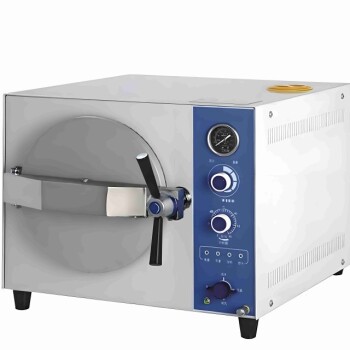
- Laboratory Sterilizer Lab Autoclave Pulsating Vacuum Desktop Steam Sterilizer
- Laboratory Oscillating Orbital Shaker
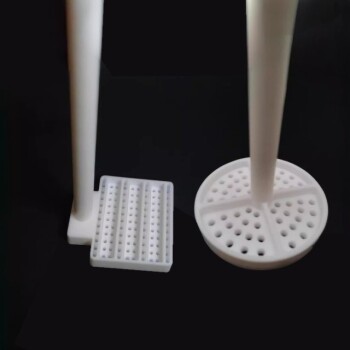
- Custom PTFE Teflon Parts Manufacturer Corrosion Resistant Cleaning Rack Flower Basket
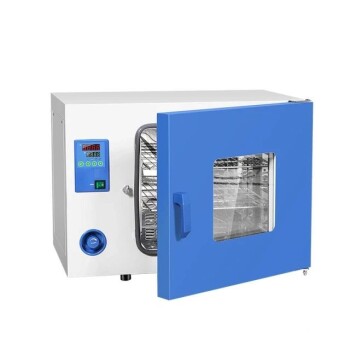
- Laboratory Scientific Electric Heating Blast Drying Oven
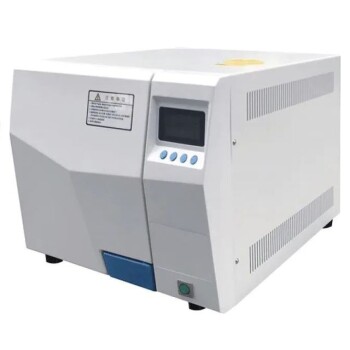
- Portable High Pressure Laboratory Autoclave Steam Sterilizer for Lab Use
People Also Ask
- What is the primary function of a laboratory sterilization autoclave? Master the Physics of Wet Heat Sterilization
- In what industries and applications are steam sterilizers or autoclaves used? Discover Key Uses Across 4 Major Sectors
- What precautions should be taken during autoclave in laboratory? A Complete Safety Guide to Prevent Burns and Explosions
- What extreme conditions does a laboratory autoclave simulate? Testing Wear Resistance of Nuclear Fuel Cladding
- What role does a laboratory autoclave play in HEA corrosion research? Key to Validating Advanced Reactor Materials