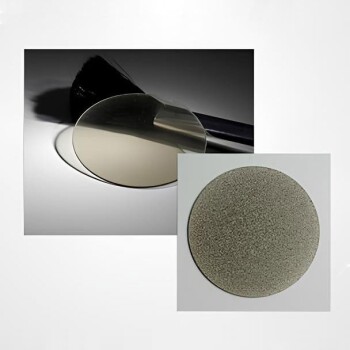
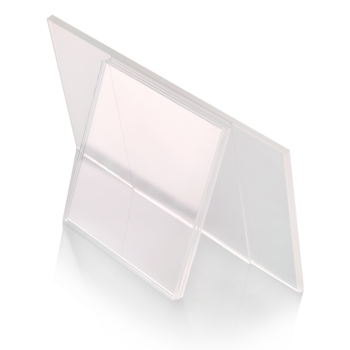
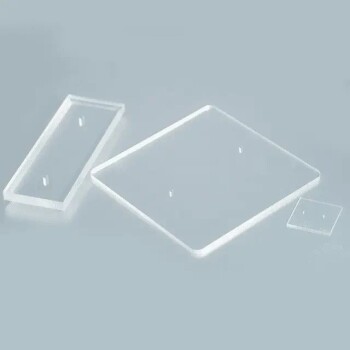
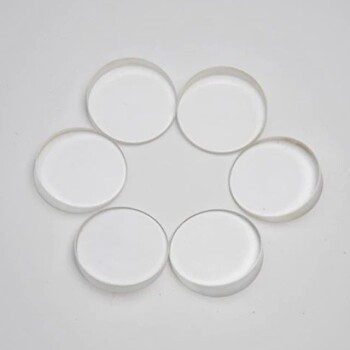
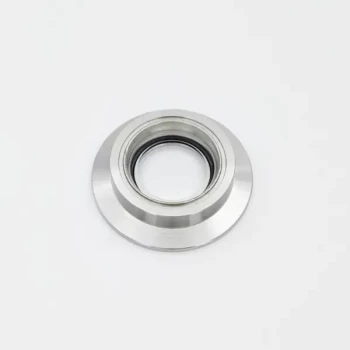
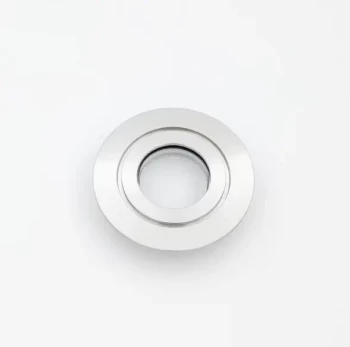
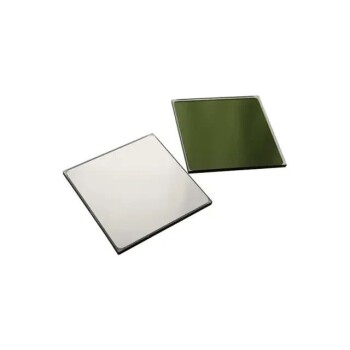
The dielectric window serves as the critical physical and electromagnetic interface within Microwave Surface Wave Plasma Chemical Vapor Deposition (MW-SWP CVD) equipment. It acts as a barrier that separates the atmospheric microwave transmission line from the high-vacuum reaction chamber while allowing microwave energy to penetrate and sustain the plasma.
The dielectric window is not merely a passive seal; it is an active component in plasma generation. It enables the specific propagation of surface waves along the plasma interface, translating microwave energy into the electron acceleration required for stable ionization.
The Mechanics of Plasma Generation
The Interface of Energy and Vacuum
The primary role of the dielectric window is to act as a bridge between two distinct environments.
It physically seals the reaction chamber to maintain a high vacuum, which is essential for the CVD process. Simultaneously, it remains transparent to electromagnetic energy, allowing microwaves to pass through without significant reflection or absorption.
Surface Wave Propagation
In MW-SWP systems, the plasma is not generated arbitrarily; it relies on surface waves.
As microwaves pass through the window, surface waves form directly on the window's surface. These waves propagate along the interface between the dielectric material and the plasma. This specific interaction creates a high-density, uniform plasma sheet directly adjacent to the window.
Electron Acceleration and Ionization
The energy transfer mechanism relies on the electric field transmitted through the window.
This electric field accelerates electrons within the chamber. As these high-energy electrons collide with gas molecules, they induce ionization. This continuous cycle maintains a stable plasma discharge, even under the high-vacuum conditions typical of these systems.
Why Quartz is the Material of Choice
High Microwave Permeability
The reference highlights that quartz is typically chosen for its high microwave permeability.
This property ensures that the maximum amount of microwave energy is transmitted into the chamber rather than being absorbed by the window itself. High permeability is crucial for energy efficiency and for preventing the window from overheating due to energy absorption.
Excellent Chemical Stability
The environment inside a CVD chamber is harsh, often involving reactive gases and high-energy ions.
Quartz is selected for its chemical stability, which allows it to withstand exposure to the plasma without rapidly degrading or contaminating the process environment. This durability ensures consistent equipment performance over time.
Operational Criticalities and Constraints
The Importance of Material Purity
While quartz is stable, the integrity of the dielectric window is paramount.
Any impurities or structural flaws in the quartz can alter its microwave permeability. This can lead to localized heating or uneven plasma generation, disrupting the uniformity of the deposition process.
The Risk of Surface Degradation
Because the surface waves propagate along the window's interface, the quartz is in direct contact with the most energetic part of the plasma.
Over time, despite its chemical stability, the window acts as a consumable component. It must be monitored for etching or clouding, as physical changes to the surface can interfere with wave propagation and reduce the efficiency of electron acceleration.
Making the Right Choice for Your Goal
Understanding the role of the dielectric window helps in maintaining system efficiency and troubleshooting process instability.
- If your primary focus is Process Stability: Ensure the quartz window is free of surface defects to maintain uniform surface wave propagation and consistent electron acceleration.
- If your primary focus is Energy Efficiency: Verify that the material specifications of the window maximize microwave permeability to prevent energy loss and excessive heating.
The dielectric window is the unsung hero of the MW-SWP CVD process, translating raw microwave power into the precise chemical environment needed for advanced material deposition.
Summary Table:
| Feature | Function in MW-SWP CVD |
|---|---|
| Physical Interface | Separates atmospheric transmission line from high-vacuum chamber |
| Energy Transmission | High microwave permeability allows energy to penetrate without absorption |
| Plasma Initiation | Facilitates surface wave propagation at the dielectric-plasma interface |
| Ionization Mechanism | Transfers electric fields to accelerate electrons for gas ionization |
| Material Advantage | Quartz provides chemical stability and high-purity to prevent contamination |
Optimize Your CVD Process with High-Performance Components
Precision in material deposition starts with the right equipment. KINTEK specializes in advanced laboratory solutions, including high-purity quartz dielectric windows and specialized CVD (Chemical Vapor Deposition) and PECVD systems. Whether you are focused on carbon nanotubes, graphene, or thin-film research, our comprehensive range of high-temperature furnaces and vacuum systems ensures maximum energy efficiency and process stability.
From high-temperature reactors to specialized ceramics and crucibles, we provide the tools required for breakthrough material science. Unlock the full potential of your lab's research—contact KINTEK today for a customized quote!
References
- Golap Kalita, Masayoshi Umeno. Synthesis of Graphene and Related Materials by Microwave-Excited Surface Wave Plasma CVD Methods. DOI: 10.3390/appliedchem2030012
This article is also based on technical information from Kintek Solution Knowledge Base .
Related Products
- CVD Diamond Optical Windows for Lab Applications
- Optical Window Glass Substrate Wafer Quartz Plate JGS1 JGS2 JGS3
- Chemical Vapor Deposition CVD Equipment System Chamber Slide PECVD Tube Furnace with Liquid Gasifier PECVD Machine
- MgF2 Magnesium Fluoride Crystal Substrate Window for Optical Applications
- Microwave Plasma Chemical Vapor Deposition MPCVD Machine System Reactor for Lab and Diamond Growth
People Also Ask
- How do you manufacture a CVD diamond? Grow Your Own Lab-Created Diamonds with Precision
- What is the composition of a CVD diamond? Discover the Pure Carbon Structure of Lab-Grown Gems
- What is the CVD process diamond? A Guide to Lab-Grown Diamonds for Industrial Use
- How do you make a lab diamond? Discover the HPHT and CVD Methods Explained
- What is the temperature of CVD diamond? Key Insights on Formation and Performance Limits