A single-stage rotary vane pump is the most cost-effective choice when your application operates strictly within the "rough vacuum" range, specifically at pressures above 1 Torr. If your process does not require deep vacuum levels, purchasing a single-stage model delivers identical performance to a two-stage equivalent but at a significantly reduced price point.
While two-stage pumps are necessary for high-vacuum applications, single-stage pumps offer the optimal balance of price and performance for rough vacuum environments. By aligning the pump type with your specific pressure requirements, you can reduce equipment costs by up to 50% without sacrificing efficacy.
Analyzing the Pressure Threshold
The Critical 1 Torr Limit
The defining factor for selecting a single-stage pump is the 1 Torr pressure barrier.
This specific pressure level serves as the cutoff point for the pump's utility. Above 1 Torr, the mechanical complexity of a second stage provides no tangible benefit to the physics of the evacuation process.
Comparable Performance in Rough Vacuum
In the rough vacuum range (pressures higher than 1 Torr), a single-stage pump operates with the same efficiency and speed as a two-stage pump.
Your process will see no degradation in throughput or reliability by choosing the simpler model. The pump moves gas just as effectively as the more expensive alternative in this specific environment.
The Financial Implication
Significant Upfront Savings
The primary advantage of choosing a single-stage unit is a drastic reduction in capital expenditure.
Single-stage units typically cost 30% to 50% less than their two-stage counterparts. This allows for significant budget allocation elsewhere in your system design without compromising the vacuum source.
Understanding the Trade-offs
The Depth Limitation
The major trade-off is the inability to reach deep vacuum.
If your application requires pressures lower than 1 Torr, a single-stage pump is physically incapable of achieving the necessary specifications. Attempting to use one in a deep vacuum application will result in process failure.
Operational Rigidity
Choosing a single-stage pump limits your operational flexibility.
While cost-effective now, this choice confines you to rough vacuum processes. If your requirements evolve to demand deeper vacuum levels in the future, the equipment will need to be replaced entirely.
Making the Right Choice for Your Goal
To determine the correct pump for your specific needs, evaluate your pressure requirements against your budget.
- If your primary focus is budget optimization: Select a single-stage pump for rough vacuum applications (> 1 Torr) to secure identical performance while reducing costs by 30-50%.
- If your primary focus is deep vacuum capability: Invest in a two-stage pump, as it is strictly necessary for any application requiring pressures below 1 Torr.
By strictly matching the pump capabilities to your required pressure depth, you ensure maximum ROI without paying for unnecessary mechanical complexity.
Summary Table:
| Feature | Single-Stage Rotary Vane Pump | Two-Stage Rotary Vane Pump |
|---|---|---|
| Optimal Pressure Range | Rough Vacuum (> 1 Torr) | High Vacuum (< 1 Torr) |
| Cost Comparison | 30% - 50% Lower | Higher Capital Investment |
| Mechanical Complexity | Simple, reliable design | Complex, dual-stage compression |
| Efficiency (> 1 Torr) | Identical to two-stage | Identical to single-stage |
| Best Use Case | Budget-focused rough vacuum | Deep vacuum applications |
Maximize Your Lab Budget with KINTEK Precision Solutions
Don't overspend on vacuum technology you don't need. KINTEK specializes in providing high-performance laboratory equipment tailored to your specific research requirements. Whether you need cost-effective single-stage rotary vane pumps for rough vacuum or advanced two-stage systems for deep vacuum, our experts help you select the right tool for the job.
From high-temperature furnaces and hydraulic presses to specialized battery research tools and cooling solutions, KINTEK offers a comprehensive range of equipment designed for durability and precision.
Ready to optimize your lab's ROI? Contact KINTEK today to receive a customized quote and expert guidance on our full range of vacuum pumps, crushing systems, and essential lab consumables.
Related Products
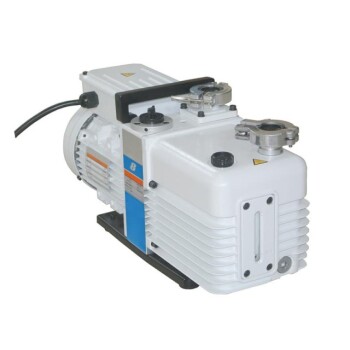
- Laboratory Rotary Vane Vacuum Pump for Lab Use
- Lab Scale Rotary Single Punch Tablet Press Machine TDP Tablet Punching Machine
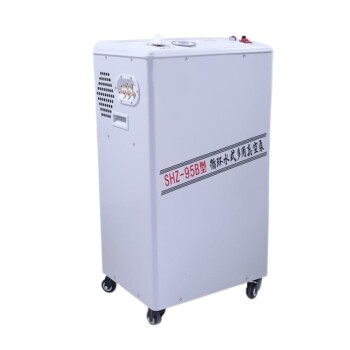
- Laboratory Vertical Water Circulating Vacuum Pump for Lab Use
- Circulating Water Vacuum Pump for Laboratory and Industrial Use
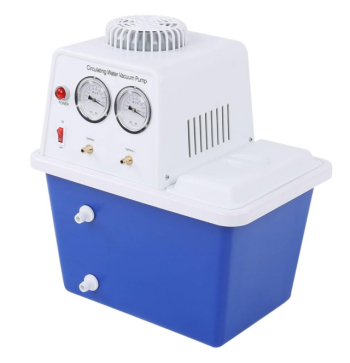
- Laboratory Benchtop Water Circulating Vacuum Pump for Lab Use
People Also Ask
- What is the use of rotary vacuum pump? A Guide to Reliable Rough Vacuum for Labs & Industry
- What is the vacuum level of a rotary vacuum pump? Achieve Medium Vacuum for Your Lab or Industry
- What is the difference between a single-stage and a two-stage rotary vane pump? Choosing the Right Vacuum Depth
- How does the performance of single-stage and two-stage rotary vane pumps compare? Optimize Your Vacuum Efficiency
- How does a Rotary Vane Pump operate? Discover Efficient Vacuum Technology for Your Lab