High-hardness grinding media are essential for generating the intense kinetic energy needed to fracture and refine alloy powders while maintaining chemical purity. Materials like tungsten carbide (WC) and zirconia are required to withstand the violent abrasion of high-speed milling, ensuring the media grinds the powder without degrading itself and contaminating the final product.
High-hardness media serves two critical functions: delivering the powerful impact and shear forces required to introduce necessary lattice defects for alloying, and preventing media wear that would otherwise introduce impurities into the material.
The Physics of Effective Milling
Delivering Kinetic Energy
To effectively mill alloy powders, the grinding media must deliver powerful impact and shear energy. This energy is generated during high-speed rotation (e.g., 300 r/min) and is transferred from the ball to the powder.
Refining Particle Structure
High-hardness media ensures the continuous refinement of alloy particles. This process does more than just reduce particle size; it introduces essential lattice defects into the material structure.
Facilitating Alloying
The high kinetic energy creates localized heat and pressure, which accelerates diffusion between components. This energy input is necessary to break down complex shapes and drive the mechanical alloying process.
Preserving Material Integrity
Minimizing Contamination
The most critical risk in mechanical alloying is the introduction of impurities from the grinding tool itself. Because the impact process is violent, softer media will wear down, introducing elements like iron into the alloy powder.
Ensuring Chemical Purity
High-hardness media like zirconia and tungsten carbide possess superior wear resistance. This durability minimizes material loss from the balls, ensuring the chemical purity of the final alloy remains compromised.
Long-Duration Durability
Milling processes can last up to 50 hours or more. High-hardness media acts as a stable constant, enduring these extended cycles without significant breakage or degradation.
Understanding the Trade-offs
Density vs. Hardness
While hardness prevents wear, the density of the media dictates the impact force. Tungsten carbide is extremely dense and delivers high energy, whereas zirconia is lighter and may require longer milling times to achieve the same kinetic effect.
Brittleness Risks
High-hardness ceramics like zirconia offer excellent wear resistance but can be brittle. Under improper operating conditions, there is a risk of the media fracturing, which would catastrophically contaminate the batch.
Cost Implications
High-performance media represents a significant investment compared to standard steel balls. The decision to use them must be justified by stringent requirements for purity or particle refinement that cheaper media cannot meet.
Making the Right Choice for Your Goal
When selecting grinding media for your specific alloy powder application:
- If your primary focus is Chemical Purity: Prioritize zirconia balls, as their chemical inertness and low wear rate effectively eliminate the risk of metallic contamination.
- If your primary focus is High-Energy Impact: Prioritize tungsten carbide, as its high density delivers maximum kinetic energy to fracture tough alloy structures and accelerate diffusion.
By matching the hardness and density of the media to your specific alloy requirements, you ensure a balance between efficient processing and material integrity.
Summary Table:
| Feature | Tungsten Carbide (WC) | Zirconia ($ZrO_2$) | Standard Steel |
|---|---|---|---|
| Primary Benefit | Maximum Kinetic Energy | Maximum Chemical Purity | Low Initial Cost |
| Hardness Level | Extremely High | High | Moderate |
| Density | Very High (~15 g/cm³) | High (~6 g/cm³) | Medium (~7.8 g/cm³) |
| Wear Resistance | Excellent | Exceptional | Poor (High Contamination) |
| Best Used For | Toughest alloys & rapid diffusion | Contamination-sensitive materials | Low-purity requirement tasks |
Elevate Your Material Research with KINTEK Precision Solutions
Achieving the perfect alloy requires the right balance of kinetic energy and material integrity. KINTEK specializes in high-performance laboratory equipment and consumables designed for the most demanding milling and grinding applications.
Whether you need the high-impact force of tungsten carbide or the inert purity of zirconia balls, our premium grinding media and advanced crushing and milling systems ensure your powders reach the desired particle size and chemical specification without compromise. From planetary ball mills to high-temperature high-pressure reactors and vacuum furnaces, we provide the tools to drive your innovation.
Ready to optimize your milling process? Contact our technical experts today to find the perfect media and equipment for your lab's success.
Related Products
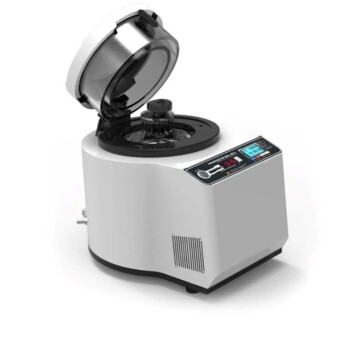
- Laboratory High Throughput Tissue Grinding Mill Grinder
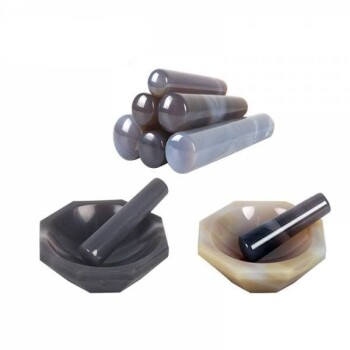
- Nature Agate Mortar and Pestle for Grinding and Mixing
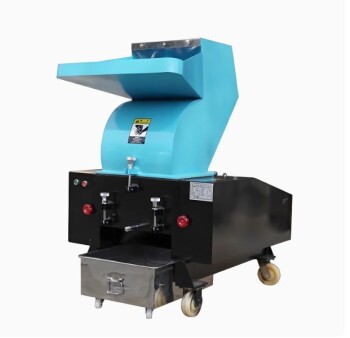
- Powerful Plastic Crusher Machine
- High Energy Planetary Ball Mill Milling Machine for Laboratory
- High Energy Vibratory Laboratory Ball Mill Grinding Mill Single Tank Type
People Also Ask
- What is the purpose of using a laboratory grinder and standard sieves? Unlock Precise Rice Husk Pretreatment
- What is the purpose of using a laboratory grinder with specific mesh sieves for oat straw? Optimize Pellet Quality
- What is the role of laboratory-grade grinders and sieves in sample prep? Ensure High-Precision Corrosion Analysis
- How do laboratory grinders and standard sieving systems ensure the quality of feedstock for torrefaction?
- What does a grinder do in a laboratory? Achieve Homogeneous Sample Preparation for Accurate Analysis