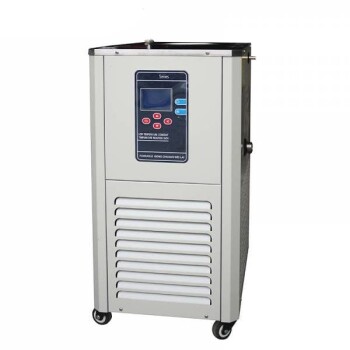
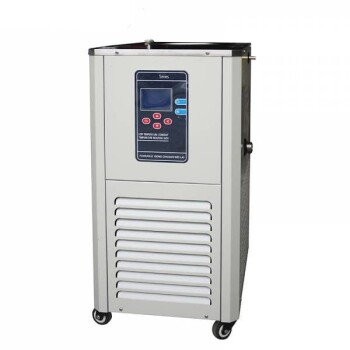
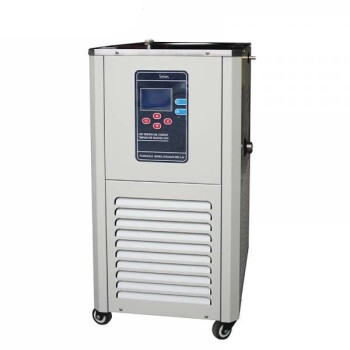
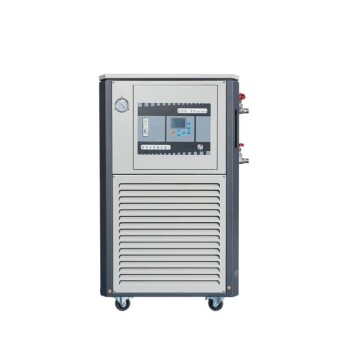
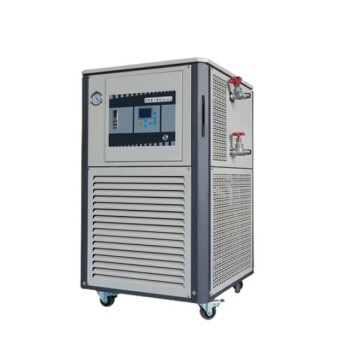
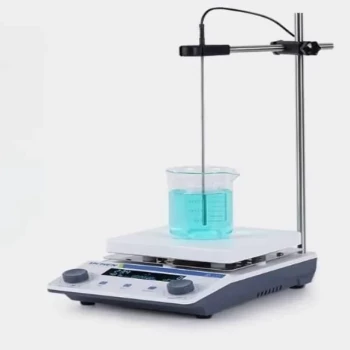
Precise thermal regulation is the cornerstone of reliable electrochemical data. A constant temperature water bath system is essential because critical corrosion parameters—specifically pitting potential and passive current density—are hypersensitive to thermal fluctuations. By locking the electrolytic cell at a specific temperature (commonly 28°C), you eliminate environmental noise, ensuring that any observed differences in corrosion resistance are solely the result of your material modifications, not changes in the lab's ambient temperature.
Temperature acts as a hidden variable in electrochemical kinetics. Without a constant temperature water bath to neutralize thermal variance, data comparing different treatment processes becomes scientifically invalid due to the introduction of unavoidable experimental error.
The Impact of Thermodynamics on Data Integrity
Sensitivity of Pitting Potential
The voltage at which pitting corrosion initiates is not a fixed number; it is thermodynamically dependent on energy.
Even minor increases in temperature can lower the pitting potential, making the stainless steel appear less resistant than it actually is. Conversely, a cooler environment might artificially inflate the material's performance metrics.
Fluctuations in Passive Current Density
Passive current density measures the rate of oxidation while the metal is in its passive state.
This metric follows kinetic laws where reaction rates generally increase with temperature. Without thermal control, a slight room temperature rise could cause a spike in current density, leading you to falsely conclude that a specific surface modification failed to protect the substrate.
Ensuring Comparability Across Variables
Isolating the Treatment Variable
In your study, you are likely comparing different modification variables, such as varying immersion times or chemical bath concentrations.
To scientifically validate that a 2-hour immersion is better than a 1-hour immersion, the temperature must be identical for both tests. The water bath ensures that the only changing variable is the one you intended to change.
Reproducibility of Results
Scientific rigor demands that an experiment can be repeated with the same results.
A constant temperature system, maintained at a standard like 28°C, creates a standardized environment. This allows you to compare your results directly with previous datasets or other studies, regardless of the season or time of day the test was conducted.
Common Pitfalls and Requirements
The "Room Temperature" Fallacy
A common mistake is assuming "room temperature" is a constant variable.
Lab temperatures can fluctuate by several degrees throughout the day due to HVAC cycling or equipment heat. Relying on ambient air rather than a water bath introduces a margin of error that can obscure subtle improvements in stainless steel performance.
Stabilization Time
Using a water bath introduces a slight operational overhead: thermal equilibrium.
You cannot simply drop the cell in the bath and start. You must allow sufficient time for the electrolyte and the sample to reach the set temperature of the bath to ensure the entire system is thermally synchronized before polarization begins.
Making the Right Choice for Your Goal
When designing your experimental setup, consider the level of precision required for your specific objectives.
- If your primary focus is publication-quality research: You must use a constant temperature water bath to guarantee that pitting potential and current density data are statistically significant and comparable.
- If your primary focus is rough, preliminary screening: You might forgo the bath to save setup time, but you must accept that the data will contain thermal noise and cannot be used for critical comparisons.
Control your environment, or your environment will control your data.
Summary Table:
| Factor Affected | Impact of Temperature Fluctuation | Importance of Water Bath |
|---|---|---|
| Pitting Potential | High sensitivity; thermal shifts can falsely lower or inflate resistance metrics. | Maintains thermodynamic stability for accurate voltage readings. |
| Passive Current Density | Reaction rates increase with heat, leading to false conclusions on oxidation rates. | Locks kinetic variables to isolate the effects of material modifications. |
| Data Comparability | Ambient room temperature variance makes comparing different samples invalid. | Standardizes the environment (e.g., 28°C) across all experimental variables. |
| Scientific Rigor | Seasonal or daily HVAC changes introduce unavoidable experimental noise. | Guarantees reproducibility and publication-quality research results. |
Elevate Your Electrochemical Research with Precision Control
Don't let thermal noise compromise your data integrity. KINTEK specializes in high-performance laboratory solutions designed for rigorous scientific demands. From constant temperature water baths and cooling solutions (ULT freezers, chillers) to advanced electrolytic cells and electrodes, we provide the precision tools necessary for accurate material characterization.
Whether you are conducting polarization tests on modified stainless steel or exploring new battery chemistries, KINTEK offers a comprehensive range of equipment including:
- High-Temperature Furnaces & Reactors
- Precision Hydraulic Presses & Milling Systems
- Specialized Electrochemical Consumables (PTFE, Ceramics, Crucibles)
Ensure your results are scientifically valid. Contact KINTEK today to discover how our expert-grade equipment can enhance your lab's efficiency and data accuracy.
References
- Yangtao Zhou, X. L.. Atomic-scale decoration for improving the pitting corrosion resistance of austenitic stainless steels. DOI: 10.1038/srep03604
This article is also based on technical information from Kintek Solution Knowledge Base .
Related Products
- High Temperature Constant Temperature Heating Circulator Water Bath Chiller Circulator for Reaction Bath
- 50L Chiller Water Bath Cooling Circulator Low Temperature Constant Temperature Reaction Bath
- 10L Chilling Circulator Cooling Water Bath Low Temperature Constant Temperature Reaction Bath
- 30L Chiller Water Bath Cooling Circulator Low Temperature Constant Temperature Reaction Bath
- 40L Chiller Water Bath Cooling Circulator Low Temperature Constant Temperature Reaction Bath
People Also Ask
- What is the necessity of a circulating water bath in chlorate production? Optimize Yield & Purity with Precision
- How do constant temperature circulators impact weight-loss immersion tests? Ensure Precision in Corrosion Analysis
- How does a constant temperature circulator support the leaching reaction of gold scrap? Optimize Gold Recovery Results
- Why is a constant temperature water bath used for precursor storage in CVD? Achieve Stable Nanocrystalline SiC Deposition
- Why is a high-precision constant temperature water bath necessary for anaerobic digestion? Ensure Success at 37±0.02°C