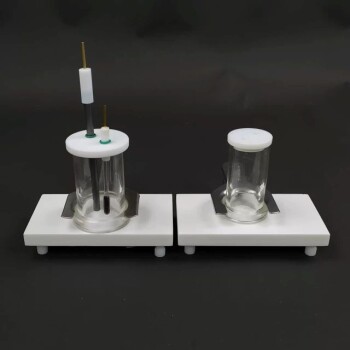
High-concentration Potassium Hydroxide (KOH) is selected as the electrolyte in alkaline electrolyzers primarily because it maximizes electrical conductivity through superior ionic mobility. Furthermore, unlike acidic environments, this alkaline solution is significantly less corrosive to common metals, allowing for the use of robust, cost-effective components like steel electrodes.
The core challenge in electrolysis is overcoming the natural electrical resistance of water without destroying the hardware. High-concentration KOH solves this by creating a highly conductive environment that is simultaneously gentle on metallic infrastructure, balancing high efficiency with long-term durability.
Optimizing Electrical Efficiency
The Role of Ionic Mobility
Pure water is a poor conductor of electricity, which creates high resistance in an electrolysis cell.
By adding a high concentration of KOH, you introduce a vast number of charge carriers into the solution. This results in high ionic mobility, which allows the electrical current to pass through the electrolyte with minimal resistance.
Impact on System Conductivity
The efficiency of an electrolyzer is directly tied to how easily electricity flows between the electrodes.
Higher conductivity means less electrical energy is lost as waste heat. Consequently, a concentrated KOH solution significantly improves the overall electrolysis efficiency, ensuring more input energy is converted directly into hydrogen gas.
Enhancing Durability and Reducing Costs
The Corrosion Advantage
Electrochemical environments are harsh, and acidic electrolytes can rapidly degrade many metals.
In contrast, the alkaline environment created by KOH is less corrosive to standard structural metals. This specific chemical property allows engineers to use steel for electrodes and other components rather than expensive noble metals often required in acidic systems.
Extending Equipment Lifespan
Because the electrolyte is not actively eating away at the hardware, the mechanical integrity of the electrolyzer is preserved.
This resistance to corrosion directly contributes to a longer equipment lifespan. It reduces the frequency of maintenance and the need for expensive component replacements, lowering the long-term operational costs.
Understanding the Trade-offs
Handling Caustic Solutions
While KOH protects steel, it is a highly caustic chemical that requires careful handling protocols for human safety.
Operators must ensure that seals and gaskets are compatible with high-concentration alkaline solutions to prevent leaks, even if the metal components are safe.
Maintaining Concentration Levels
The benefits of high conductivity are dependent on maintaining the specific concentration of the KOH solution.
If the concentration fluctuates or dilutes significantly, ionic mobility decreases, and the electrical resistance will rise, immediately impacting the system's efficiency.
Making the Right Choice for Your Goal
To maximize the potential of an alkaline electrolyzer, you must align your operational parameters with these chemical principles.
- If your primary focus is Energy Efficiency: Ensure the KOH concentration is maintained at optimal levels to maximize ionic mobility and minimize resistance.
- If your primary focus is Cost Reduction: Leverage the system's compatibility with steel components to avoid the capital expenditure associated with corrosion-resistant exotic alloys.
By utilizing high-concentration KOH, you achieve a synchronized system that delivers high electrical performance while protecting your capital investment.
Summary Table:
| Feature | Benefit of High-Concentration KOH |
|---|---|
| Electrical Conductivity | Maximizes ionic mobility to reduce electrical resistance and heat loss. |
| Corrosion Resistance | Creates an alkaline environment that is less corrosive to common metals like steel. |
| Material Compatibility | Enables the use of cost-effective electrodes instead of expensive noble metals. |
| System Efficiency | Ensures more input energy is converted directly into hydrogen gas. |
| Durability | Extends equipment lifespan by preserving mechanical and chemical integrity. |
Elevate Your Hydrogen Research with KINTEK Advanced Solutions
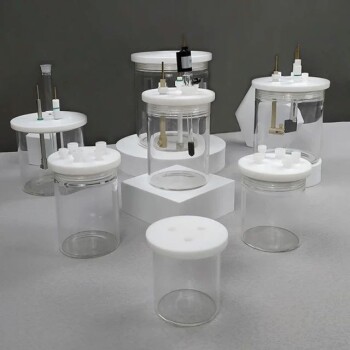
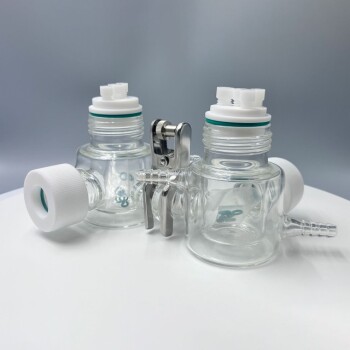
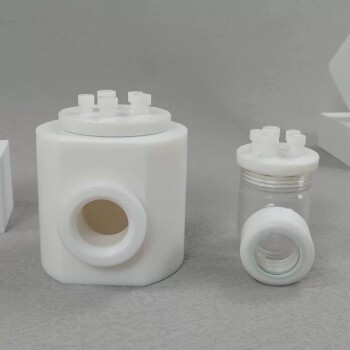
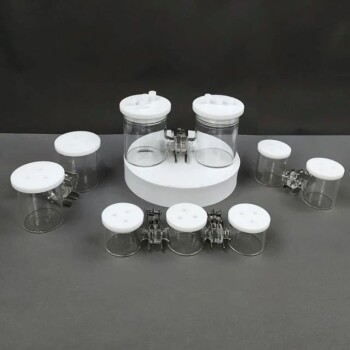
Maximize the efficiency and lifespan of your electrolysis systems with KINTEK’s premium laboratory equipment. Whether you are optimizing ionic mobility or scaling up hydrogen production, our specialized range of electrolytic cells and electrodes is designed to withstand demanding alkaline environments.
Beyond electrolysis, KINTEK offers a comprehensive portfolio for energy and materials research, including:
- High-temperature high-pressure reactors and autoclaves
- Battery research tools and consumables
- Precision crushing, milling, and sieving systems
- Advanced high-temperature furnaces (CVD, PECVD, Vacuum)
Don't let equipment limitations slow your innovation. Contact KINTEK today to discover how our high-performance tools and expert technical support can enhance your laboratory’s output and operational efficiency.
References
- Gabriela Elena Badea, Florin Ciprian Dan. Sustainable Hydrogen Production from Seawater Electrolysis: Through Fundamental Electrochemical Principles to the Most Recent Development. DOI: 10.3390/en15228560
This article is also based on technical information from Kintek Solution Knowledge Base .
Related Products
- Customizable PEM Electrolysis Cells for Diverse Research Applications
- Electrolytic Electrochemical Cell Gas Diffusion Liquid Flow Reaction Cell
- Double-Layer Water Bath Electrolytic Electrochemical Cell
- Quartz Electrolytic Electrochemical Cell for Electrochemical Experiments
- Thin-Layer Spectral Electrolysis Electrochemical Cell
People Also Ask
- What are the risks of improper voltage control in an electrolysis cell? Avoid Costly Damage and Inefficiency
- What are the opening configurations for the non-sealed and sealed versions of the electrolysis cell? Optimize Your Electrochemical Setup
- What is an electrolysis cell? A Guide to Driving Chemical Reactions with Electricity
- What parameters must be strictly controlled during the electrolysis process? Ensure Precision and Efficiency
- What are the precautions for heating or sterilizing an electrolysis cell? Avoid Damaging Sensitive Components