High-purity argon gas serves as a critical isolation barrier during the non-experimental phases of FeCrAl alloy testing. By flooding the furnace chamber, this inert gas displaces reactive air and steam during the temperature ramp-up and cool-down periods. This ensures the alloy reacts only when it reaches the specific test temperature, preventing experimental artifacts from corrupting the data.
The use of high-purity argon purging eliminates uncontrolled variables by preventing pre-oxidation during heating and additional oxidation during cooling. This precise atmosphere control is the only way to ensure that measured weight changes and kinetic data are derived exclusively from the intended experimental conditions.
Preserving Data Integrity Through Atmosphere Control
Preventing Premature Oxidation
During the heating phase, the furnace temperature rises gradually to reach the target setpoint. If the FeCrAl alloy is exposed to air during this ramp-up, oxidation will begin immediately, well before the test temperature is achieved.
High-purity argon creates a protective, inert environment that shields the sample. This "pretreatment" step guarantees that the specimen remains in its original, unreacted state until the exact moment the experiment is intended to start.
Eliminating Cooling-Phase Errors
Once the experimental dwell time is complete, the reaction must be effectively "frozen" to capture accurate data. If the sample remains exposed to air while the furnace cools, the alloy will continue to oxidize.
This additional, uncontrolled reaction adds mass to the sample. By maintaining an argon purge during cooling, you ensure that the final weight change reflects only the oxidation that occurred at the preset test temperature.
The Impact on Kinetic Analysis
Isolating the Temperature Variable
The primary goal of these experiments is often to assess oxidation kinetics, specifically oxide film growth rates and diffusion coefficients. These calculations rely on the assumption that the reaction occurred at a constant, specific temperature.
If pre-oxidation or post-oxidation occurs, the data becomes a composite of reactions at various temperatures. Argon purging isolates the temperature variable, ensuring the data truly reflects the material's characteristics at the designated thermal condition.
Ensuring Consistent Starting Conditions
Reliable scientific data requires repeatability. Without an inert heating phase, the thickness of the initial oxide layer would vary based on how quickly the furnace heats up.
Argon purging standardizes the starting condition for every sample. This allows for valid comparisons between different experiments, as every test begins with a pristine, unoxidized surface at the moment the target temperature is reached.
Common Pitfalls to Avoid
The Risk of Insufficient Purity
The requirement for high-purity argon is not a suggestion; it is a necessity. Standard industrial argon may contain trace amounts of oxygen or moisture.
Using gas with impurities can defeat the purpose of the purge. Even low levels of oxygen in the purge gas can lead to subtle surface reactions, introducing errors into sensitive gravimetric (weight change) measurements.
Making the Right Choice for Your Goal
To derive valid conclusions from your FeCrAl oxidation experiments, apply the following principles to your setup:
- If your primary focus is accurate kinetic modeling: Ensure the argon purge is initiated before heating begins to fully evacuate air and prevent "start-up" oxidation errors.
- If your primary focus is precise mass gain measurement: Maintain the inert flow throughout the entire cooling process to prevent the accumulation of "shut-down" oxidation mass.
Strict control of the atmospheric environment is the definitive method for separating true material performance from experimental noise.
Summary Table:
| Phase | Atmosphere | Primary Function | Impact on Data Accuracy |
|---|---|---|---|
| Heating | High-Purity Argon | Prevents premature oxidation | Ensures test starts at target temperature |
| Testing | Reactant Gas (e.g., Steam/Air) | Controlled oxidation | Provides measurable kinetic & mass data |
| Cooling | High-Purity Argon | "Freezes" the reaction | Prevents uncontrolled mass gain after test |
| All Phases | Inert Shielding | Eliminates variables | Guarantees repeatable, scientific results |
Elevate Your Materials Research with KINTEK Precision
Achieving flawless data integrity in FeCrAl oxidation studies requires more than just high-purity gas—it requires a furnace system designed for absolute atmosphere control. KINTEK specializes in advanced laboratory equipment tailored for demanding thermal research.
Our comprehensive range of high-temperature tube, vacuum, and atmosphere furnaces provides the airtight precision needed to eliminate experimental noise. Whether you are performing kinetic analysis or gravimetric measurements, KINTEK supports your lab with:
- High-Temperature Furnaces (Muffle, Tube, Vacuum, and CVD systems)
- High-Pressure Reactors and Autoclaves for complex reaction environments
- Precision Crushing and Milling Systems for sample preparation
- Specialized Consumables, including high-purity ceramics and crucibles
Don't let uncontrolled variables compromise your research. Contact KINTEK today to discover how our high-performance heating and cooling solutions can enhance your laboratory's efficiency and accuracy.
References
- Raúl B. Rebak, Michael Due Larsen. Oxidation Characteristics of Two FeCrAl Alloys in Air and Steam from 800°C to 1300°C. DOI: 10.1007/s11837-018-2979-9
This article is also based on technical information from Kintek Solution Knowledge Base .
Related Products
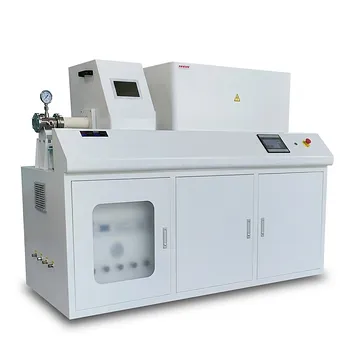
- 1700℃ Controlled Atmosphere Furnace Nitrogen Inert Atmosphere Furnace
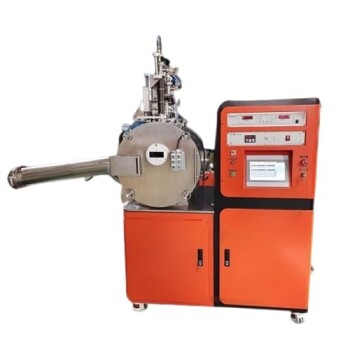
- Vacuum Arc Induction Melting Furnace
- 1200℃ Controlled Atmosphere Furnace Nitrogen Inert Atmosphere Furnace
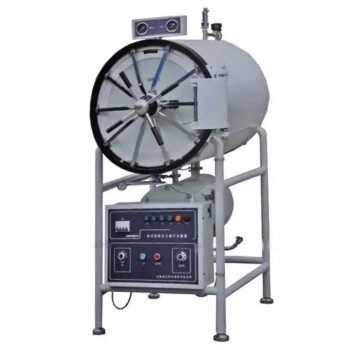
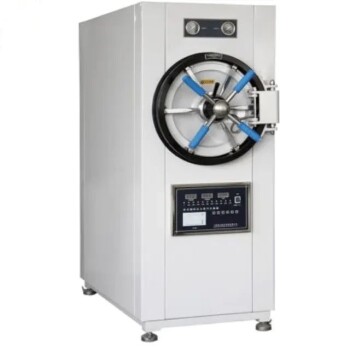
- Laboratory High Pressure Horizontal Autoclave Steam Sterilizer for Lab Use
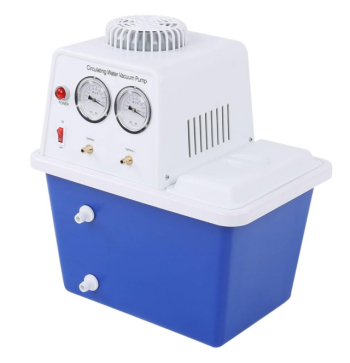
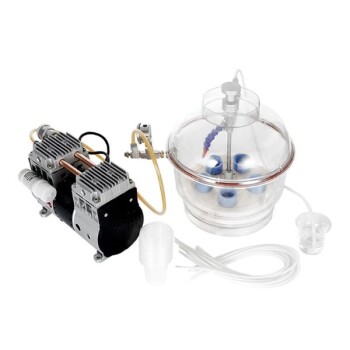
- Circulating Water Vacuum Pump for Laboratory and Industrial Use
People Also Ask
- What is the necessity of a controlled atmosphere furnace for corrosion research? Replicating Realistic Industrial Risks
- What are the two primary purposes of using a controlled atmosphere? Master Protection vs. Material Modification
- What is a controlled atmosphere furnace for heat treatment? Master Surface Chemistry and Metallurgy
- What is the necessity of controlled atmosphere furnaces for gas corrosion? Ensure Precise Material Failure Modeling
- How is oxygen (O2) used in controlled furnace atmospheres? Mastering Surface Engineering for Metals