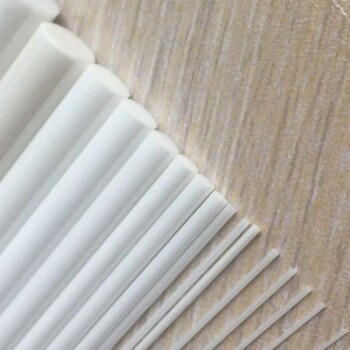
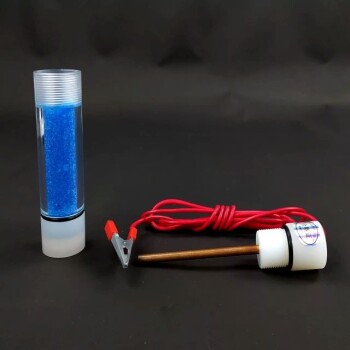
High-purity graphite is the standard choice for an auxiliary electrode primarily due to its combination of exceptional chemical inertness and high electrical conductivity. In electrochemical corrosion tests, particularly those involving saline or acidic electrolytes, the graphite rod completes the electrical circuit without reacting with the solution or the sample being tested.
Core Takeaway The auxiliary electrode must facilitate current flow without becoming a variable in the experiment. High-purity graphite is selected because it remains stable in corrosive environments and prevents the release of impurity ions, ensuring that the measured data reflects only the intrinsic corrosion characteristics of the working electrode.
The Critical Role of Chemical Stability
Resisting Corrosive Electrolytes
The primary requirement for an auxiliary electrode (counter electrode) is that it must not corrode. High-purity graphite exhibits superior chemical inertness.
It remains stable even when exposed to aggressive environments, such as saline solutions or acidic electrolytes used in oxygen evolution reaction (OER) characterization.
Eliminating Ionic Interference
A major risk in corrosion testing is the dissolution of the counter electrode. If a metal counter electrode dissolves, metal ions can migrate to the working electrode.
Graphite avoids this specific failure mode. By preventing the release of metal ions, it ensures the experimental solution remains pure and the test results are not skewed by foreign deposits on your sample.
Electrical Performance in Polarization Tests
Maintaining a Stable Current Loop
To measure corrosion accurately, you must establish a reliable circuit. Graphite’s excellent electrical conductivity allows it to function effectively as a current sink or source.
This capability ensures stable current transmission throughout the duration of the test, regardless of fluctuations that may occur during electrolysis.
Ensuring Uniform Current Distribution
The physical geometry and conductivity of the graphite rod play a vital role in polarization testing. It helps generate a uniform current distribution across the electrolyte.
This uniformity is essential for generating accurate polarization curves. It ensures the data captures the true surface corrosion characteristics of the specimen rather than artifacts caused by uneven current density.
Understanding the Trade-offs
Graphite vs. Precious Metals
While Platinum (Pt) is also used for its inertness and conductivity, it is significantly more expensive. Graphite offers comparable performance in many saline and fluoride salt environments at a fraction of the cost.
Mechanical Limitations
Unlike metal wires (such as Platinum), graphite is brittle. It lacks the ductility of metal, making it more susceptible to mechanical breakage if mishandled during setup.
Porosity Considerations
Graphite can be porous compared to a solid metal sheet. In ultra-high precision experiments involving trace analysis, the surface area and potential for absorption should be considered, though high-purity dense rods mitigate this significantly.
Making the Right Choice for Your Experiment
To ensure the validity of your electrochemical data, select your auxiliary electrode based on your specific environmental constraints:
- If your primary focus is standard saline corrosion testing: Select high-purity graphite to ensure chemical stability and prevent metal ion contamination without the high cost of noble metals.
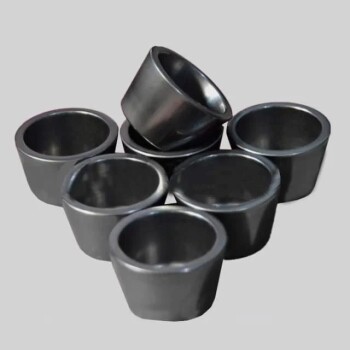
- If your primary focus is high-temperature molten salts: Use graphite, as it can serve dual functions as both the corrosion-resistant container and the electrode, ensuring stability in fluoride melts.
- If your primary focus is extreme mechanical durability: Consider Platinum wire, provided the specific acidic environment does not induce any redox reactions in the metal.
By selecting high-purity graphite, you isolate the variable of interest—your material's corrosion resistance—ensuring your results are both accurate and reproducible.
Summary Table:
| Feature | Graphite Rod (High-Purity) | Platinum (Pt) | Metallic Counter Electrodes |
|---|---|---|---|
| Chemical Inertness | High (Stable in acids/salts) | Excellent | Low (Risk of dissolution) |
| Electrical Conductivity | High | Excellent | Moderate to High |
| Cost-Effectiveness | High (Economical) | Low (Very Expensive) | High |
| Ion Contamination | None (Prevents metal ion release) | None | High Risk |
| Durability | Brittle (Care required) | Ductile/Flexible | Varies |
Elevate Your Electrochemical Research with KINTEK
Don't let electrode contamination compromise your corrosion data. KINTEK specializes in premium laboratory equipment and high-purity consumables designed for precision. Whether you are conducting OER characterization or standard saline corrosion tests, our high-purity graphite rods, electrolytic cells, and high-performance electrodes ensure stable current distribution and repeatable results.
From high-temperature furnaces and reactors to specialized battery research tools and PTFE consumables, KINTEK provides the comprehensive solutions your lab needs to succeed.
Ready to optimize your testing accuracy? Contact us today to discuss our custom electrode solutions and full range of laboratory supplies.
References
- Felipe Sanabria-Martínez, Hugo Armando Estupiñán Durán. Electrochemical Behavior of a Stainless Steel Superficially Modified with Nitrogen by Three-dimensional Ion Implantation. DOI: 10.15446/ing.investig.v42n1.85772
This article is also based on technical information from Kintek Solution Knowledge Base .
Related Products
- High Purity Pure Graphite Crucible for Electron Beam Evaporation
- Platinum Auxiliary Electrode for Laboratory Use
- Graphite Disc Rod and Sheet Electrode Electrochemical Graphite Electrode
- High Purity Pure Graphite Crucible for Evaporation
- Platinum Sheet Electrode for Laboratory and Industrial Applications
People Also Ask
- What is the container that holds the metal source material called in e-beam evaporation? Ensure Purity and Quality in Your Thin-Film Deposition
- What role do high-purity graphite crucibles play in molten salt corrosion research? Ensure Reactor-Grade Precision
- Why is a high-purity graphite crucible ideal for nitrogen-doped graphene at 1500 °C? Maximize Purity and Stability
- What dual roles do high-purity graphite crucibles play? Expert Insights into Fluoride Salt Testing
- What role does a high-purity graphite crucible play in CaO-MgO-Al2O3-SiO2 system equilibrium experiments? Maximize Accuracy