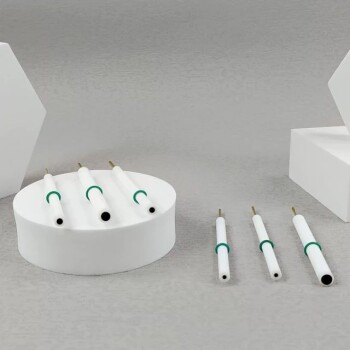
High-purity graphite electrodes function primarily as insoluble conductive media. They act as the critical bridge that facilitates the passage of industrial-frequency alternating current (AC) through hydrochloric acid electrolytes.
Core Takeaway These electrodes utilize their electrical conductivity to drive electrochemical reactions at the surface, generating strong oxidizing agents like chlorine gas in situ. This process enables the oxidation of precious metals into soluble complexes while the electrode itself remains chemically stable.
The Mechanics of AC Leaching
Facilitating Current Transfer
The fundamental role of the graphite electrode is to transmit energy.
It allows industrial-frequency alternating current to pass effectively into the electrolyte solution.
Because graphite acts as an insoluble medium, it supports the flow of electricity without becoming a sacrificial component of the reaction.
In Situ Agent Generation
The application of current triggers specific electrochemical reactions directly at the electrode surface.
In a hydrochloric acid environment, this process generates strong oxidizing agents, most notably chlorine gas.
This "in situ" generation means the necessary chemical reactants are created exactly where they are needed, rather than being added externally.
Solubilization of Target Metals
The oxidizing agents produced by the electrode actively attack target metals present in the system.
Specifically, metals such as gold and copper are oxidized.
This reaction converts these solid metals into soluble chlorine complexes, effectively leaching them into the solution for recovery.
Why Material Properties Matter
Resistance to Acid Corrosion
The operational environment for this process—typically utilizing hydrochloric acid—is highly aggressive.
High-purity graphite is selected because it is chemically inert regarding the electrolyte.
This ensures the electrode does not dissolve or degrade rapidly, preventing the contamination of the leaching solution.
Long-Term Conductivity
Reliable processing requires consistent electrical performance over time.
Graphite’s excellent inherent conductivity ensures that energy transfer remains efficient throughout the process.
This combination of conductivity and chemical stability allows for the long-term stable operation of the leaching system.
Critical Considerations for Stability
The Necessity of High Purity
While graphite is naturally conductive, the "high-purity" designation is not a marketing term; it is an operational requirement.
Impurities in lower-grade graphite can leach into the electrolyte, introducing interfering ions that degrade the purity of the recovered gold or copper.
Physical Stability vs. Chemical Inertness
Although the primary reference notes the electrodes are "insoluble," they function within a physically dynamic environment (gas generation).
The material must be structurally sound to withstand the physical stress of gas evolution at the surface without mechanically eroding.
Making the Right Choice for Your Process
When selecting electrode materials for electrochemical leaching, consider your primary operational constraints:
- If your primary focus is Process Efficiency: Prioritize graphite with the highest available conductivity to maximize the generation of oxidizing agents like chlorine gas.
- If your primary focus is Product Purity: Ensure the graphite is certified high-purity to prevent the introduction of foreign metal ions into your soluble gold or copper complexes.
Success in electrochemical leaching relies on using electrodes that provide a stable electrical pathway without becoming part of the chemical reaction itself.
Summary Table:
| Feature | Role in AC Electrochemical Leaching |
|---|---|
| Primary Function | Insoluble conductive medium for current transfer |
| Current Type | Industrial-frequency alternating current (AC) |
| Chemical Reaction | In situ generation of oxidizing agents (e.g., Chlorine gas) |
| Target Metals | Oxidation of Gold (Au) and Copper (Cu) into soluble complexes |
| Key Properties | Acid corrosion resistance, high electrical conductivity, and chemical inertness |
Maximize Your Leaching Efficiency with KINTEK
Precision in electrochemical leaching starts with the quality of your electrodes. At KINTEK, we specialize in providing high-purity graphite electrodes and advanced electrolytic cells designed to withstand aggressive hydrochloric acid environments while maintaining peak conductivity.
Whether you are refining gold or processing copper, our comprehensive range of laboratory equipment—from high-temperature furnaces and crushing systems to high-pressure reactors—ensures your research and production meet the highest standards of purity and reliability.
Ready to optimize your metal recovery process? Contact our technical experts today to find the perfect materials for your specific laboratory or industrial needs.
References
- Vera Serga, Vladimir Pankratov. Leaching of Gold and Copper from Printed Circuit Boards under the Alternating Current Action in Hydrochloric Acid Electrolytes. DOI: 10.3390/met12111953
This article is also based on technical information from Kintek Solution Knowledge Base .
Related Products
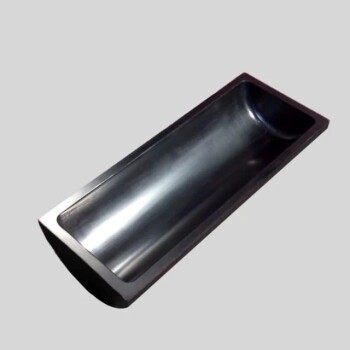
- High Purity Pure Graphite Crucible for Electron Beam Evaporation
- High Purity Pure Graphite Crucible for Evaporation
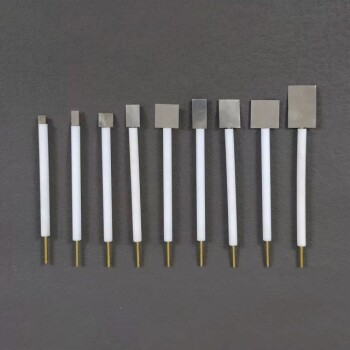
- Graphite Disc Rod and Sheet Electrode Electrochemical Graphite Electrode
- High Purity Gold Platinum Copper Iron Metal Sheets
- High Purity Zinc Foil for Battery Lab Applications
People Also Ask
- What is the container that holds the metal source material called in e-beam evaporation? Ensure Purity and Quality in Your Thin-Film Deposition
- What role do high-purity graphite crucibles play in molten salt corrosion research? Ensure Reactor-Grade Precision
- Why is a high-purity graphite crucible ideal for nitrogen-doped graphene at 1500 °C? Maximize Purity and Stability
- What dual roles do high-purity graphite crucibles play? Expert Insights into Fluoride Salt Testing
- What role does a high-purity graphite crucible play in CaO-MgO-Al2O3-SiO2 system equilibrium experiments? Maximize Accuracy