Carbon graphite electrodes act as a high-performance standard for electroactive biofilm development by combining electrical efficiency with biological support. They offer superior electrical conductivity for optimized electron transport, high chemical stability to resist degradation during long-term polarization, and an excellent biocompatible surface that actively promotes bacterial attachment.
The Core Advantage Success in microbial power generation depends on the interface between the living cell and the solid conductor. Carbon graphite excels because it lowers the resistance to electron flow while serving as a durable, non-toxic scaffold that allows biofilms to thrive over extended periods.
Material Properties Driving Performance
Optimizing Electron Transport
The primary function of a working electrode in this context is to act as an electron acceptor or donor. Superior electrical conductivity is the defining characteristic of carbon graphite.
This property ensures that the electrons generated by the microbial metabolism are transported to the external circuit with minimal energy loss. High conductivity is essential for maximizing the overall power output of the system.
Ensuring Long-Term Durability
Bio-electrochemical systems often require experiments that run for weeks or months. Carbon graphite possesses high chemical stability, which is critical for these extended timelines.
Unlike metals that might corrode or materials that foul easily, carbon graphite can withstand long-term polarization. It resists degradation even in the harsh chemical environments often found within microbial fuel cells.
Enhancing Biological Interaction
For a biofilm to generate power, it must physically connect to the electrode. Carbon graphite offers excellent biocompatibility, making it an inviting substrate for life.
This material provides an ideal physical surface structure for bacteria to anchor themselves. This facilitates rapid attachment and proliferation, allowing for the development of a dense, active biofilm necessary for efficient operation.
Understanding the Operational Context
While carbon graphite is a "preferred material," it is important to view its application holistically.
Dependency on Surface Area The reference highlights the "ideal physical surface" for attachment. However, the total performance is strictly limited by the available surface area. Because the biofilm interaction happens at the interface, the geometry of the graphite (rod, plate, or granule) dictates the maximum microbial load the system can support.
Inertness vs. Catalysis The "chemical stability" of graphite means it is generally chemically inert. This is a double-edged sword: it does not degrade, but it also does not actively catalyze reactions on its own. The system relies entirely on the biology of the biofilm for catalysis, placing a premium on the health and attachment of the microbes.
Making the Right Choice for Your Research
When designing your bio-electrochemical system, use the properties of carbon graphite to match your specific research goals.
- If your primary focus is Power Output: Leverage the superior conductivity of graphite to ensure that internal resistance does not bottleneck your electron flow.
- If your primary focus is Long-Term Studies: Rely on the chemical stability of the material to maintain consistent performance without the risk of electrode corrosion over time.
- If your primary focus is Microbiology: Utilize the high biocompatibility to ensure rapid colonization and a healthy biofilm structure.
By selecting carbon graphite, you provide a stable, conductive foundation that allows the biology—not the hardware—to be the variable in your experiment.
Summary Table:
| Feature | Technical Advantage | Benefit for Biofilm Development |
|---|---|---|
| Electrical Conductivity | Superior electron transport | Maximizes power output with minimal energy loss |
| Chemical Stability | High resistance to degradation | Ensures durability during long-term polarization |
| Biocompatibility | Non-toxic, inviting substrate | Promotes rapid bacterial attachment and colonization |
| Surface Structure | Ideal physical interface | Supports dense, active biofilm growth for efficiency |
Elevate Your Bio-Electrochemical Research with KINTEK
Unlock the full potential of your microbial experiments with precision-engineered components. KINTEK specializes in providing high-quality electrolytic cells and electrodes, including high-performance carbon graphite solutions tailored for electroactive biofilm development.
Our extensive portfolio supports every stage of laboratory innovation, from high-temperature furnaces and reactors to specialized battery research tools and crushing and milling systems. Whether you are maximizing power output in microbial fuel cells or conducting long-term stability studies, KINTEK delivers the durability and conductivity your research demands.
Ready to optimize your lab's performance? Contact us today to find the perfect equipment for your research goals!
References
- Youssef Naimi, İlhan Garip. Effects of Open Circuit Potential and Characterization of Electro-Active Biofilm for Microbial Fuel Cells using Compost Leachate. DOI: 10.20508/ijrer.v13i3.14059.g8795
This article is also based on technical information from Kintek Solution Knowledge Base .
Related Products
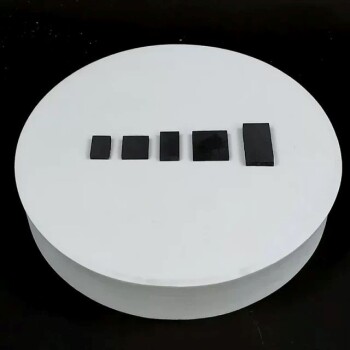
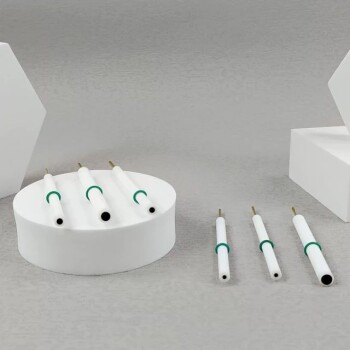
- Graphite Disc Rod and Sheet Electrode Electrochemical Graphite Electrode
- Glassy Carbon Sheet RVC for Electrochemical Experiments
- Glassy Carbon Electrochemical Electrode
- Graphite Vacuum Furnace Negative Material Graphitization Furnace
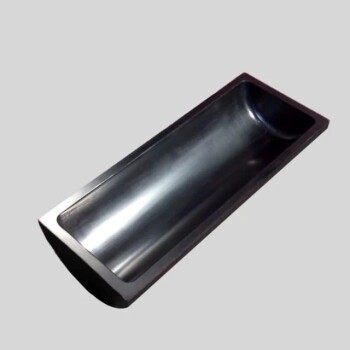
- High Purity Pure Graphite Crucible for Electron Beam Evaporation
People Also Ask
- Why is a graphite electrode used as a counter electrode? Achieve Pure Electrochemical Reduction with KINTEK
- What is the correct procedure for installing and connecting a graphite electrode during an experiment? Ensure Accurate Electrochemical Results
- What are the potential risks when using a graphite electrode in electrochemical tests? Avoid Decomposition and Contamination
- What are the key precautions for handling graphite electrodes? Ensure Safety & Maximize Performance
- Why are Dimensionally Stable Anodes (DSA) preferred for indium electrowinning? Ensure High-Purity Results.