A three-electrode electrolytic cell configuration is standard for Electrochemical Impedance Spectroscopy (EIS) because it isolates the voltage measurement from the current flow. This separation decouples the magnesium-coated specimen (the working electrode) from the counter electrode, ensuring that the collected impedance data accurately reflects the coating's properties rather than artifacts caused by the test setup itself.
Core Takeaway The three-electrode setup is critical for eliminating measurement errors caused by the polarization of the counter electrode. By precisely controlling the potential at the working electrode surface, this configuration enables a highly accurate analysis of the magnesium-based coating’s resistance characteristics and interfacial reaction processes.
The Architecture of Precision
To understand why this configuration is necessary, one must first understand the specific roles of the three components involved in the circuit.
The Working Electrode (WE)
This is the subject of the test—specifically, the steel specimen with the magnesium-based coating. The goal of the experiment is to measure the electrochemical behavior occurring solely at this surface.
The Reference Electrode (RE)
Typically an Ag/AgCl electrode, this component acts as a stable voltage benchmark. Its sole purpose is to provide a constant potential against which the working electrode is measured.
The Counter Electrode (CE)
Often a platinum plate, this electrode completes the electrical circuit. It allows current to flow through the cell without passing through the reference electrode.
Eliminating Measurement Error
The primary technical justification for using three electrodes rather than two lies in the issue of polarization.
Decoupling Current and Potential
In a two-electrode system, current must flow through the same electrode used to measure voltage. This causes polarization, where the potential of the reference shifts due to the current load, distorting the data.
Preventing Counter Electrode Polarization
The three-electrode configuration solves this by routing the current between the working electrode and the counter electrode.
This ensures that the reference electrode carries negligible current, maintaining a stable potential. Consequently, the polarization of the counter electrode does not contaminate the impedance measurements of the magnesium coating.
Precise Potential Control
By stabilizing the reference point, the system allows for independent control of the working electrode's potential. This precision is required to accurately map the complex interfacial reaction processes unique to magnesium-based coatings.
Understanding the Trade-offs
While the three-electrode configuration is the gold standard for accuracy, it introduces specific operational requirements.
Increased Complexity
Unlike a simple two-wire measurement, this setup requires a potentiostat capable of managing three distinct connections. The geometry of the cell must be carefully arranged to ensure uniform current distribution.
Chemical Compatibility
As noted in the context of glass cells, the setup requires chemical inertness. The presence of a third electrode (the counter) introduces another material into the electrolyte, which must be chosen (e.g., platinum) to avoid introducing metallic ion impurities that could skew results.
Making the Right Choice for Your Goal
When designing your EIS experiment for magnesium coatings, the three-electrode cell is usually the only viable option for research-grade data.
- If your primary focus is fundamental material analysis: Use this configuration to isolate the coating's resistance from system noise and electrode polarization.
- If your primary focus is reaction mechanism study: Rely on the stable reference potential to accurately track interfacial reaction processes over time.
Adopting this configuration moves your testing from simple observation to precise electrochemical characterization.
Summary Table:
| Feature | Two-Electrode System | Three-Electrode System |
|---|---|---|
| Current Path | Through Reference & Working | Between Counter & Working |
| Voltage Stability | Low (Polarization shifts potential) | High (Stable reference benchmark) |
| Data Accuracy | Prone to setup artifacts | Isolates coating properties |
| Application | Simple battery testing | Fundamental material analysis |
| Primary Goal | General observation | Precise interfacial characterization |
Elevate Your Electrochemical Research with KINTEK
Precise EIS data starts with the right setup. KINTEK specializes in providing high-performance laboratory solutions tailored for advanced material science. Whether you are analyzing magnesium-based coatings or developing next-generation energy storage, we offer a comprehensive range of electrolytic cells, electrodes, and high-precision laboratory equipment designed to eliminate measurement artifacts.
Our portfolio includes:
- Electrochemical Excellence: Specialized electrolytic cells and high-quality electrodes (Ag/AgCl, Platinum).
- Advanced Thermal Processing: Muffle, tube, and vacuum furnaces for coating preparation.
- Material Preparation: Crushing, milling, and hydraulic presses for specimen consistency.
- Research Tools: High-pressure reactors, ULT freezers, and essential ceramic/PTFE consumables.
Ready to achieve superior accuracy in your lab? Contact KINTEK today to consult with our experts on the ideal configuration for your specific research goals.
References
- Domna Merachtsaki, Anastasios Zouboulis. Anticorrosion Performance of Magnesium Hydroxide Coatings on Steel Substrates. DOI: 10.3390/constrmater2030012
This article is also based on technical information from Kintek Solution Knowledge Base .
Related Products
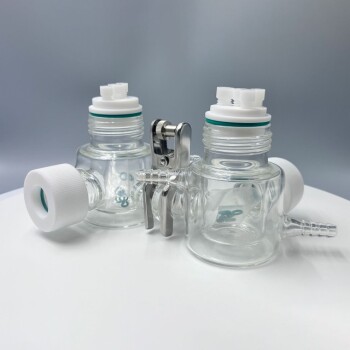
- H Type Electrolytic Cell Triple Electrochemical Cell
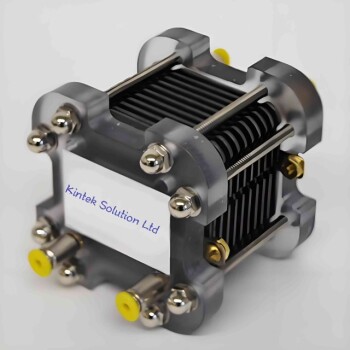
- Electrolytic Electrochemical Cell Gas Diffusion Liquid Flow Reaction Cell
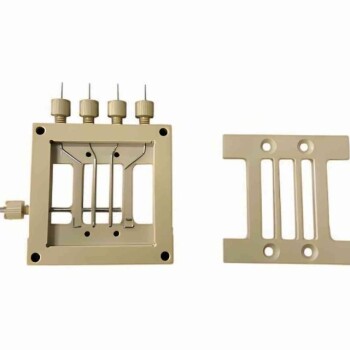
- PTFE Electrolytic Cell Electrochemical Cell Corrosion-Resistant Sealed and Non-Sealed
- Electrolytic Electrochemical Cell with Five-Port
- Super Sealed Electrolytic Electrochemical Cell
People Also Ask
- What is a H type cell? A Guide to Divided Electrochemical Cells for Accurate Experiments
- How should the electrolyte be prepared and added to the H-type electrolytic cell? Best Practices for Purity and Safety
- What is the technical necessity of using an H-type electrolytic cell for NO3RR tests? Protect Your Ammonia Yields
- How does the design of an H-type electrolytic cell benefit the neutral water electrolysis process for metal recovery?
- What is the primary function of an H-type electrolytic cell in NitRR? Ensure Accurate Product Yields