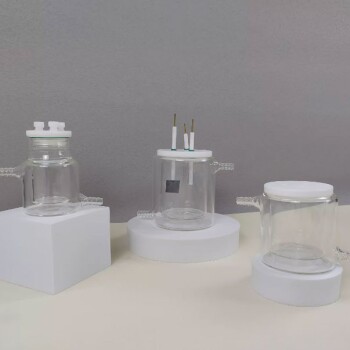
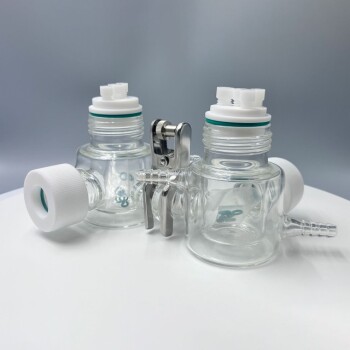
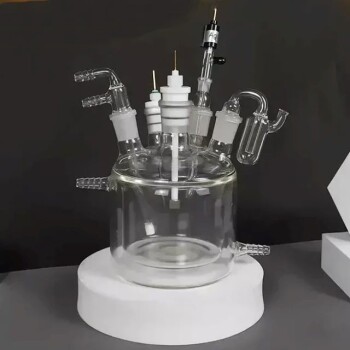
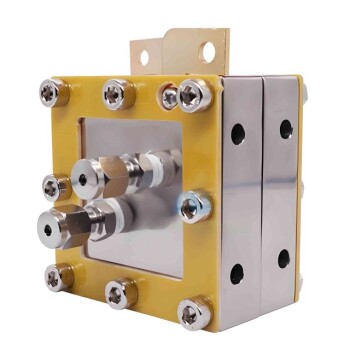
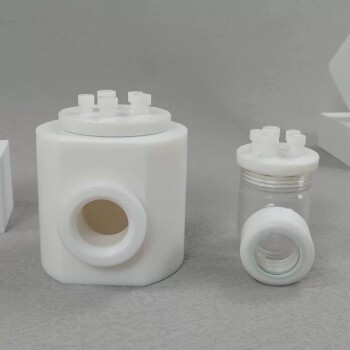
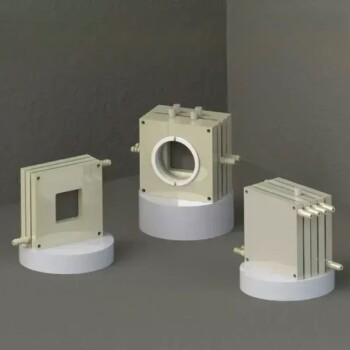
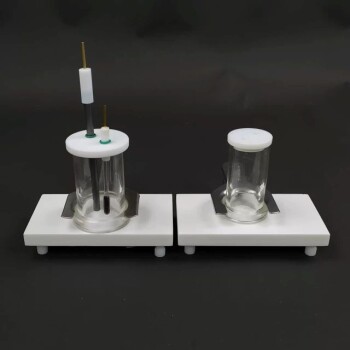
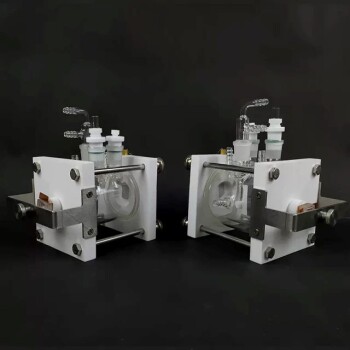
Precision in thermal regulation is the definitive reason for using a circulating water jacket when evaluating titanium electrodes. This component connects to an external temperature control device to maintain the electrolyte at a specific, stable temperature throughout the experiment. Without this mechanism, thermal fluctuations would introduce uncontrolled variables, rendering high-precision corrosion data unreliable.
The circulating water jacket is not merely an accessory; it is a critical control mechanism that isolates temperature as a variable. By stabilizing the thermal environment, it ensures that observed changes in corrosion behavior are due to intrinsic electrode properties, not external environmental fluctuations.
The Critical Role of Temperature in Corrosion Science
Ensuring Data Repeatability
Electrochemical polarization curves—the primary data output in these tests—are highly sensitive to thermal changes.
A water jacket ensures that the electrolyte remains at a fixed set point, such as 20°C. This stability guarantees that if you run the same test three times, the resulting curves will overlap, validating the reliability of your data.
Controlling Reaction Kinetics
Temperature directly dictates the physical properties of the electrolyte.
Fluctuations in heat alter the conductivity of the solution and the rate of ion diffusion. By locking the temperature, the water jacket allows for accurate kinetic analysis, ensuring that the speed of the chemical reaction is measured correctly.
Influencing Oxide Film Formation
For titanium specifically, temperature plays a structural role in corrosion resistance.
The thermal environment influences the crystalline form of the oxide film that generates on the titanium surface. A stable temperature ensures the formation of specific phases, such as anatase or rutile, which have distinct protective qualities.
Operational Considerations and Trade-offs
System Complexity vs. Data Integrity
While necessary for accuracy, a water-jacketed cell increases the complexity of the experimental setup.
It requires external infrastructure, such as a circulating bath and connecting tubing. This increases the footprint of the experiment and introduces potential points of failure, such as coolant leaks.
Addressing the "Edge Effect"
It is important to note that a water jacket controls temperature, but does not solve all geometric corrosion issues.
While the jacket regulates heat, standard cell designs may still suffer from crevice corrosion at the sample edges. For complete accuracy, a water-jacketed design is often combined with specific configurations, such as an Avesta cell, to eliminate edge risks.
Making the Right Choice for Your Research
To maximize the utility of your electrochemical setup, align the temperature strategy with your specific analytical goals:
- If your primary focus is standard material characterization: Use the water jacket to maintain a strict baseline temperature (e.g., 20°C) to ensure the repeatability of polarization curves and oxide film formation.
- If your primary focus is thermodynamic research: Leverage the jacket to test at distinct thermal plateaus (e.g., 25°C, 55°C, 85°C) to calculate corrosion activation energy and study heat-dependent rates.
Ultimately, the water jacket transforms the electrochemical cell from a simple container into a precision instrument capable of isolating the true behavior of the titanium surface.
Summary Table:
| Feature | Role in Corrosion Evaluation | Impact on Titanium Research |
|---|---|---|
| Thermal Regulation | Connects to external baths for precise control | Maintains stable electrolyte temperature for high-precision data |
| Data Repeatability | Eliminates thermal fluctuations in curves | Ensures overlapping polarization curves across multiple test runs |
| Kinetic Control | Stabilizes solution conductivity and diffusion | Accurate measurement of chemical reaction speeds and ion movement |
| Oxide Film Control | Influences crystalline structure formation | Guarantees consistent development of anatase or rutile protective layers |
| Thermodynamic Analysis | Allows testing at distinct thermal plateaus | Enables calculation of corrosion activation energy and heat-dependent rates |
Elevate Your Electrochemical Research with KINTEK
Precision in corrosion science starts with the right equipment. KINTEK specializes in high-performance laboratory solutions, providing the advanced electrolytic cells and electrodes necessary for rigorous titanium electrode evaluation.
Whether you require temperature-controlled water-jacketed cells for material characterization or specialized high-temperature high-pressure reactors for extreme environment testing, our comprehensive portfolio—including PTFE products, ceramics, and high-temperature furnaces—is designed to meet the most demanding lab requirements.
Ready to achieve superior data repeatability? Contact KINTEK today to consult with our experts on the perfect configuration for your research goals.
References
- Felipe M. Galleguillos Madrid, Luis Cáceres. Corrosion of Titanium Electrode Used for Solar Saline Electroflotation. DOI: 10.3390/ma16093514
This article is also based on technical information from Kintek Solution Knowledge Base .
Related Products
- Double-Layer Water Bath Electrolytic Electrochemical Cell
- H-Type Double-Layer Optical Electrolytic Electrochemical Cell with Water Bath
- Optical Water Bath Electrolytic Electrochemical Cell
- Double Layer Five-Port Water Bath Electrolytic Electrochemical Cell
- Multifunctional Electrolytic Electrochemical Cell Water Bath Single Layer Double Layer
People Also Ask
- What does the routine maintenance of a double-layer water-bath electrolytic cell involve? A Guide to Ensuring Precision and Longevity
- What is the typical experimental system used with a double-layer water-bath electrolytic cell? Achieve Precise Electrochemical Control
- What are the procedures for after using a double-layer water-bath electrolytic cell? Ensure Equipment Longevity and Data Accuracy
- When is professional repair required for a double-layer water-bath electrolytic cell? Protect Your Lab's Precision and Safety
- What are the key features of a double-layer water-bath electrolytic cell? Achieve Precise Temperature Control for Your Experiments