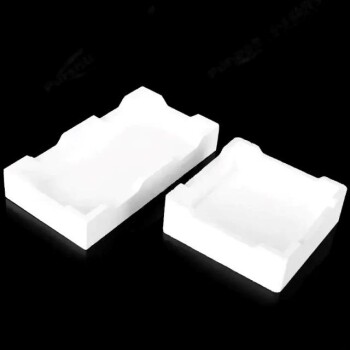
Corundum is frequently selected as a diluent because of its chemical inertness and thermal stability. It allows researchers to standardize the volume of catalyst beds in high-throughput systems without chemically interfering with the reaction or degrading under high heat.
In high-throughput experimentation, variable physical conditions ruin data integrity. By using corundum to dilute different catalyst samples to a fixed volume, you ensure that every reactor operates at the exact same Gas Hourly Space Velocity (GHSV), making performance comparisons scientifically valid.
The Material Advantages of Corundum
Absolute Chemical Inertness
The primary requirement for any reactor filler is neutrality. Corundum is favored because it is chemically inert.
It does not participate in the reaction, nor does it interact with the catalyst or the gas stream. This ensures that any observed conversion or activity is due solely to the catalyst formulation being tested.
High-Thermal Stability
Catalyst evaluations often occur at extreme temperatures. Corundum is capable of withstanding these high temperatures without physical degradation or phase changes.
This stability preserves the structural integrity of the packed bed throughout the duration of the experiment.
Achieving Process Consistency
Standardizing Bed Volume
In high-throughput workflows, you often test small quantities of catalyst powder, typically ranging from 100 to 300 mg.
However, different catalyst formulations have different densities, meaning equal masses occupy different volumes. Corundum is used to bulk these samples up to a consistent, fixed bed volume, such as 1 mL.
Controlling Gas Hourly Space Velocity (GHSV)
The most critical technical reason for using a diluent is to control the GHSV.
If reactor beds have different volumes, the gas flows through them at different effective rates. By fixing the volume with corundum, you guarantee that all positions in a parallel system maintain the same GHSV.
The Necessity of Dilution
Eliminating Variables
Without a diluent, comparing the conversion efficiency of different catalysts becomes impossible.
You would be testing not only the chemical formulation but also the unintended effects of varying contact times between the gas and the solid. Dilution isolates the chemical performance as the single variable.
Ensuring Fair Comparisons
The ultimate goal of high-throughput evaluation is ranking different formulations.
Using corundum ensures that physical conditions are identical across all liners. This allows for a direct and fair comparison of conversion efficiency between different catalyst candidates.
Making the Right Choice for Your Goal
To ensure your high-throughput data is reliable, consider how you prepare your reactor liners:
- If your primary focus is comparing catalyst formulas: You must use a diluent like corundum to normalize the bed volume and lock in a constant GHSV across all reactors.
- If your primary focus is testing small powder quantities: Use corundum to expand the sample size (e.g., 100–300 mg) to a workable fixed volume (e.g., 1 mL) to ensure proper flow dynamics.
By standardizing your reactor volume with an inert material, you transform raw data into a reliable metric for decision-making.
Summary Table:
| Feature | Benefit for Catalyst Evaluation |
|---|---|
| Chemical Inertness | Prevents interference with reactions, ensuring data reflects catalyst activity only. |
| Thermal Stability | Maintains bed integrity at extreme temperatures without phase changes. |
| Volume Standardization | Normalizes bed volume (e.g., 1 mL) despite varying catalyst densities. |
| GHSV Control | Guarantees consistent gas contact time across all parallel reactor positions. |
| Data Integrity | Eliminates physical variables to allow fair comparison of different formulations. |
Maximize Your Lab's Precision with KINTEK
Ready to elevate your research accuracy? KINTEK specializes in high-performance laboratory equipment designed for the most demanding scientific applications. From our high-temperature high-pressure reactors and autoclaves to our precision crushing and milling systems, we provide the tools you need for reliable high-throughput catalyst evaluations.
Our extensive portfolio includes:
- Advanced Thermal Solutions: Muffle, tube, and vacuum furnaces for stable catalyst testing.
- Material Processing: Sieve equipment and hydraulic presses for perfect sample preparation.
- Essential Consumables: Premium ceramics, crucibles, and PTFE products to maintain chemical purity.
Don't let inconsistent data slow your innovation. Partner with KINTEK for comprehensive cooling solutions, battery research tools, and high-quality consumables tailored to your specific workflow.
Contact us today to optimize your reactor setup!
References
- Andreas Sundermann, Olga Gerlach. High-Throughput Screening as a Supplemental Tool for the Development of Advanced Emission Control Catalysts: Methodological Approaches and Data Processing. DOI: 10.3390/catal6020023
This article is also based on technical information from Kintek Solution Knowledge Base .
Related Products
People Also Ask
- How is alumina ceramic made? A Guide to Manufacturing Methods and Material Properties
- Can ceramic withstand high temperatures? Discover the Superior Materials for Extreme Heat
- What are the useful applications of ceramics? Unlock High-Performance Solutions for Your Industry
- What industry uses ceramics? Discover the Critical Role of Advanced Ceramics in Modern Technology
- What is the specific heat of alumina? It's a range from 451 to 955 J/kg·K