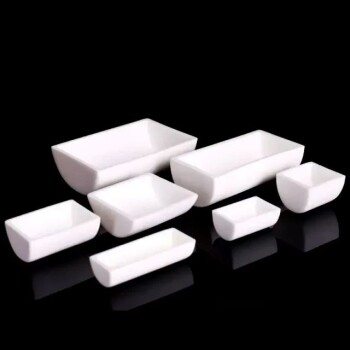
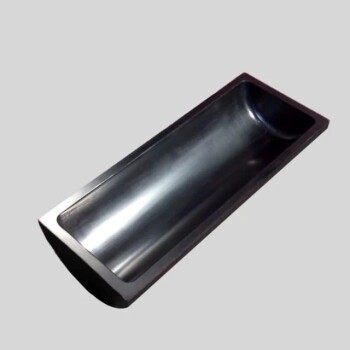
High-purity quartz boats are the industry standard for biochar calcination because they provide an uncompromisingly sterile and stable environment. These vessels possess extreme high-temperature resistance—often exceeding 1,000°C—and profound chemical inertness. By refusing to react with raw materials or activators, they ensure that the resulting biochar remains free from foreign impurities that would otherwise skew critical performance data.
High-purity quartz boats prevent chemical cross-contamination and structural degradation during high-heat processes. This ensures that the physical and chemical properties of the biochar, such as pore structure and surface area, are a true reflection of the experimental variables rather than vessel interference.
Superior Material Stability at High Temperatures
Maintaining Structural Integrity Under Heat
Biochar calcination often requires temperatures ranging from 500°C to over 900°C. High-purity quartz maintains its shape and structural integrity at these extremes, preventing the vessel from warping or failing during the pyrolysis process.
Resistance to Thermal Shock
Rapid heating and cooling cycles can cause many materials to crack or shatter. Quartz boats exhibit excellent thermal shock resistance, allowing researchers to move samples in and out of tube furnaces without risking vessel failure or sample loss.
Chemical Inertness and Sample Purity
Preventing Elemental Contamination
At high temperatures, standard containers can leach metal ions or silica into the sample. High-purity quartz acts as an inactive carrier, ensuring that no metallic impurities or foreign elements are introduced into the biochar's carbon matrix.
Neutralizing Reactive Activators
The use of chemical activators like KOH (potassium hydroxide) or calcium-based materials can be highly corrosive to inferior vessels. Quartz is chemically stable enough to resist these harsh reagents, ensuring the reaction environment remains pure and predictable.
Protecting Characterization Accuracy
The primary goal of many biochar studies is to analyze specific surface area and pore structure. Because quartz does not react with the biomass or nitrogen-based modifiers, the analytical results for adsorption and porosity remain accurate and untainted.
Enhancing Experimental Precision
Facilitating Uniform Heat Distribution
Quartz possesses favorable thermal conductivity, which allows for the even distribution of heat throughout the solid raw materials. This uniformity is essential for producing biochar with consistent physical properties across the entire sample batch.
Reliability in Mass Loss Analysis
In experiments where measuring mass loss is critical, the vessel must have a stable mass distribution. Quartz boats do not shed material or gain weight through oxidation, allowing for precise gravitational measurements during and after the calcination process.
Understanding the Trade-offs
Fragility and Handling Requirements
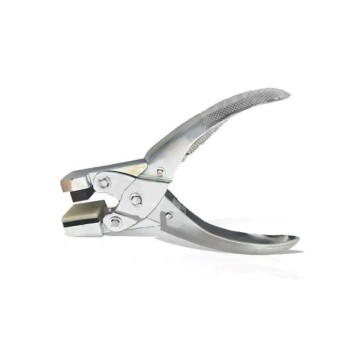
While quartz is thermally robust, it is physically brittle and susceptible to breakage if dropped or mishandled. Users must employ specialized tools for insertion and removal from furnaces to avoid mechanical stress.
Cost vs. Performance
High-purity quartz is significantly more expensive than standard ceramic or alumina boats. While it offers superior purity, laboratories must weigh the initial investment against the specific purity requirements of their research; for basic pyrolysis, quartz may be an over-specification, but for advanced characterization, it is mandatory.
How to Apply This to Your Project
When selecting a carrying vessel for your calcination process, consider the following goals:
- If your primary focus is precise surface area characterization: Use high-purity quartz to ensure no foreign ions alter the pore development or nitrogen adsorption results.
- If your primary focus is high-volume, low-cost production: Consider high-temperature ceramic boats, provided the potential for minor mineral leaching does not interfere with your end-use application.
- If your primary focus is catalyst synthesis (e.g., Ni-based): Stick strictly to quartz to prevent the vessel from reacting with metal powders or corrosive gases like oxychlorides.
- If your primary focus is chemical activation with KOH: Prioritize quartz for its superior resistance to alkaline corrosion compared to standard glass or low-grade ceramics.
By prioritizing material purity in your carrying vessels, you safeguard the integrity of your data and the quality of your carbon materials.
Summary Table:
| Feature | Key Benefit | Impact on Biochar Research |
|---|---|---|
| High-Temp Resistance | Stable at 1,000°C+ | Prevents vessel warping and structural failure. |
| Chemical Inertness | Resists KOH and activators | Ensures zero contamination and accurate pore analysis. |
| Thermal Shock Resistance | Withstands rapid cycles | Reduces risk of vessel cracking during sample handling. |
| Thermal Conductivity | Even heat distribution | Ensures consistent physical properties across batches. |
| Mass Stability | No oxidation or shedding | Allows for precise gravitational mass loss analysis. |
Elevate Your Material Synthesis with KINTEK Precision
To achieve reliable biochar characterization and high-purity results, the quality of your carrying vessels and heating equipment is non-negotiable. KINTEK specializes in advanced laboratory solutions, providing a comprehensive range of high-temperature furnaces (tube, muffle, and vacuum) and premium consumables, including high-purity quartz boats, ceramic crucibles, and PTFE products.
Whether you are conducting advanced chemical activation or precise mass loss analysis, our equipment ensures a stable, contamination-free environment for your most critical experiments.
Ready to upgrade your lab efficiency? Contact KINTEK today to explore our high-performance solutions tailored to your research requirements!
References
- Cancan Xu, Lvjun Chen. Removal of Phosphorus from Domestic Sewage in Rural Areas Using Oyster Shell-Modified Agricultural Waste–Rice Husk Biochar. DOI: 10.3390/pr11092577
This article is also based on technical information from Kintek Solution Knowledge Base .
Related Products
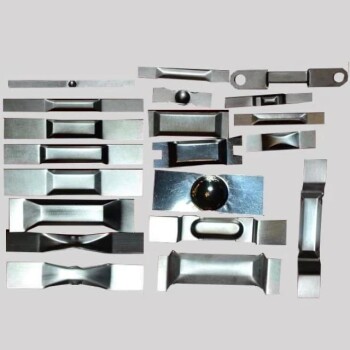
- Molybdenum Tungsten Tantalum Special Shape Evaporation Boat
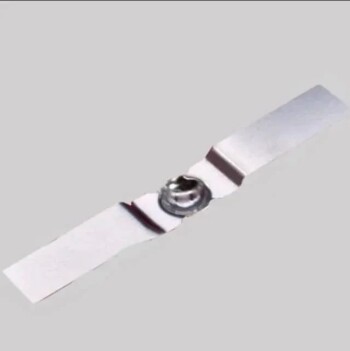
- Hemispherical Bottom Tungsten Molybdenum Evaporation Boat
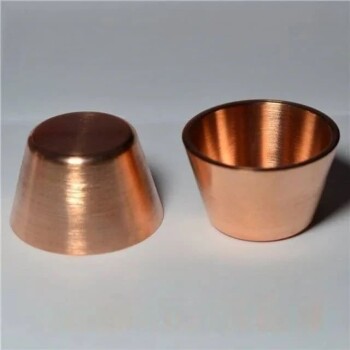
- Electron Beam Evaporation Coating Oxygen-Free Copper Crucible and Evaporation Boat
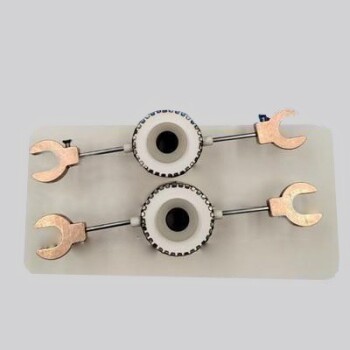
- Aluminized Ceramic Evaporation Boat for Thin Film Deposition
- Molybdenum Tungsten Tantalum Evaporation Boat for High Temperature Applications
People Also Ask
- What are the applications of molybdenum? From High-Temperature Furnaces to Space Lubricants
- What is the maximum operating temperature for molybdenum? Key Factors for High-Temp Performance
- What are the pros and cons of molybdenum? Harness Its High-Temperature Power
- What are 5 common uses for molybdenum? Enhancing Steel, Alloys, and High-Temp Performance
- How much heat can molybdenum handle? Unlocking Extreme Temperature Performance