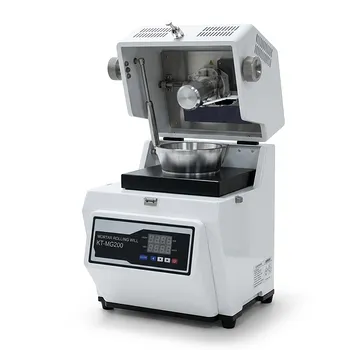
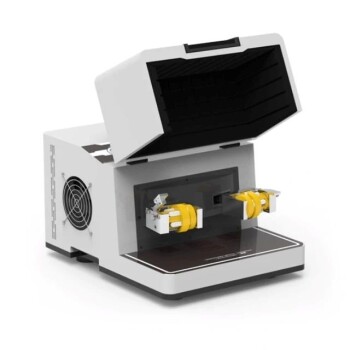
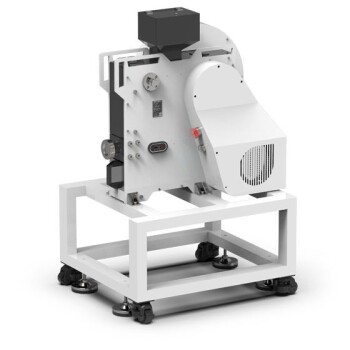
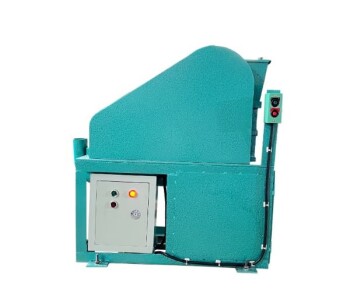
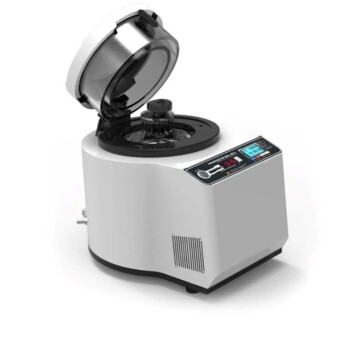
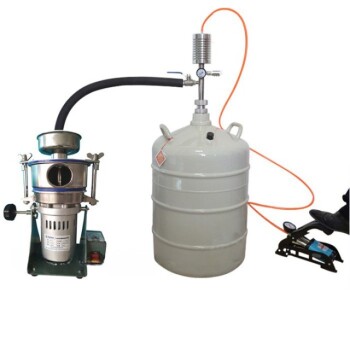
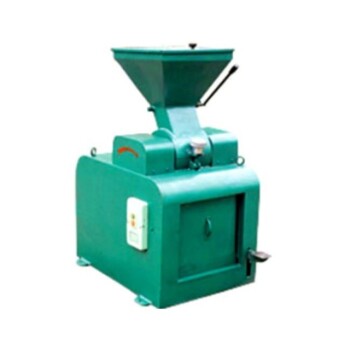
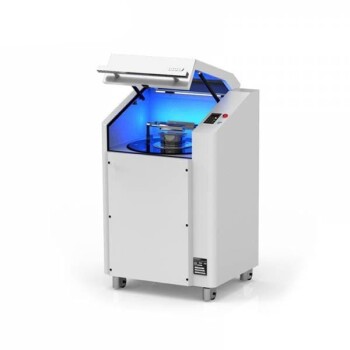
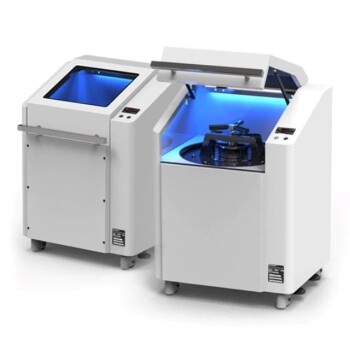
Reliable biomass characterization begins with mechanical preparation. Before you can accurately analyze the composition of bulky raw materials—such as cassava peels or maize cobs—you must use laboratory crushing and grinding equipment to reduce them into a uniform powder. This physical transformation is necessary to expose sufficient surface area for chemical reactions and to homogenize the material, ensuring your analytical data is truly representative of the entire batch.
Core Takeaway Raw biomass is inherently heterogeneous and bulky, which leads to inconsistent reaction rates and sampling errors. Mechanical reduction creates a fine, uniform substrate that allows for thorough chemical penetration and ensures that the small sample analyzed accurately reflects the composition of the bulk material.
The Critical Role of Surface Area
Enhancing Chemical Reactivity
To characterize biomass, you often rely on chemical reactions such as acid hydrolysis or oxidative combustion. These processes require contact between the reagent and the material.
Crushing bulky materials into powders significantly increases the specific surface area available for these reactions. This ensures the reactions are thorough and complete, preventing incomplete data that could skew your compositional analysis.
Facilitating Reagent Penetration
Biomass typically possesses a complex, rigid lignocellulosic structure. Large particles prevent chemical reagents from penetrating deep into the material matrix.
By grinding materials to standardized sizes (often between 0.43 mm and 1.02 mm), you break down these physical barriers. This facilitates the uniform penetration of reagents, ensuring consistency across all subsequent chemical reactions.
Eliminating Material Heterogeneity
Ensuring Representative Sampling
Raw biomass is naturally non-uniform; a piece of stalk differs chemically from a piece of husk or leaf. If you analyze a large, unground chunk, you are only characterizing that specific fragment.
Grinding pulverizes and mixes these different components into a homogenous powder. This eliminates errors caused by the natural heterogeneity of raw materials, ensuring your results are statistically representative of the entire batch.
Standardizing for Thermal Processes
If your characterization involves thermal applications like pyrolysis or gasification, particle size is paramount. Large particles heat unevenly, leading to thermal gradients that distort results.
Reducing particle size (typically below 3mm) ensures uniform heating and efficient heat transfer. This standardization increases the chemical reaction rate and allows for accurate measurement of energy consumption and thermal behavior.
Common Pitfalls to Avoid
Avoiding Thermal Degradation
While reducing size is critical, you must be careful not to generate excessive heat during the grinding process.
High friction in the crushing equipment can inadvertently heat the sample, potentially causing chemical changes or volatile loss before analysis begins. It is vital to monitor equipment temperature to preserve the sample's native composition.
The Risk of Inconsistent Sieving
Simply crushing the material is not enough; it must be sieved to a specific, defined range.
Using a wide distribution of particle sizes can lead to inconsistent reaction kinetics. Ensure your laboratory workflow includes a rigorous sieving step to guarantee every particle falls within the target size range for your specific analytical method.
Making the Right Choice for Your Goal
Depending on your specific analytical objectives, your approach to grinding may need to shift slightly.
- If your primary focus is Chemical Composition (e.g., Sugars/Lignin): Prioritize fine grinding to maximize surface area for deep reagent penetration and complete hydrolysis.
- If your primary focus is Thermal Properties (e.g., Combustion/Gasification): Focus on a specific particle size cut (e.g., <3mm) to ensure uniform heat transfer and accurate kinetic data.
Proper sample preparation is the invisible foundation upon which all accurate biomass data is built.
Summary Table:
| Factor | Impact on Characterization | Requirement for Biomass |
|---|---|---|
| Surface Area | Dictates chemical reaction rates and reagent penetration | High specific surface area via fine powdering |
| Homogeneity | Reduces sampling errors from natural heterogeneity | Thorough mixing of crushed components |
| Particle Size | Affects thermal gradients and heating uniformity | Standardized range (e.g., <3mm for thermal) |
| Reactivity | Ensures complete acid hydrolysis or combustion | Increased contact points via mechanical reduction |
Maximize Your Biomass Research Accuracy with KINTEK
Don't let sample heterogeneity compromise your analytical results. KINTEK provides high-performance crushing and milling systems and precise sieving equipment designed to transform bulky biomass into uniform, representative samples.
Whether you are performing acid hydrolysis or thermal characterization, our specialized laboratory tools—including high-temperature furnaces, hydraulic presses, and ceramic crucibles—ensure your research is built on a foundation of precision.
Ready to elevate your laboratory standards? Contact KINTEK today to find the perfect equipment for your material preparation needs.
References
- Samomssa Inna, Kamga Richard. Assessment of Efficient Thermal Conversion Technologies and HHV from Compositional Characteristics of Cassava Peelings, Plantain Peelings and Corn Cobs. DOI: 10.3844/erjsp.2022.30.41
This article is also based on technical information from Kintek Solution Knowledge Base .
Related Products
- Laboratory Grinding Mill Mortar Grinder for Sample Preparation
- Laboratory Hybrid Tissue Grinding Mill
- Laboratory Jaw Crusher
- Laboratory Ball Mill Jar Mill with Metal Alloy Grinding Jar and Balls
- Vibrating Disc Mill Small Laboratory Grinding Machine
People Also Ask
- What laboratory apparatus is used for grinding? Match the Right Mill to Your Sample Material
- What is the function of a laboratory grinding mill? Achieve Precise Sample Preparation for Accurate Results
- What is the purpose of using a laboratory grinder and standard sieves? Unlock Precise Rice Husk Pretreatment
- What is the role of laboratory-grade grinders and sieves in sample prep? Ensure High-Precision Corrosion Analysis
- What is the purpose of using a laboratory grinder with specific mesh sieves for oat straw? Optimize Pellet Quality