The use of high-grade corrosion-resistant equipment is non-negotiable in dilute acid pretreatment because the process creates an aggressively hostile chemical environment. Utilizing acids such as sulfuric, hydrochloric, or formic acid at high temperatures rapidly degrades standard reactor materials. Without specialized alloys or linings, laboratories face three critical failures: compromised safety due to structural erosion, sample contamination from leached metal ions, and significantly reduced equipment lifespan.
Core Insight: The necessity for high-grade materials is not just about equipment durability; it is about data integrity. Corrosion introduces metal impurities that chemically alter the biomass feedstock, rendering experimental results unreliable while creating safety hazards.
The Critical Role of Material Selection
Ensuring Experimental Safety
Dilute acid pretreatment often combines corrosive inorganic or organic acids with high-temperature reaction conditions. This combination accelerates the rate at which chemicals attack reactor walls and piping systems.
High-grade corrosion-resistant materials are essential to maintain the structural integrity of the vessel under these conditions. They prevent catastrophic leaks or ruptures that could expose laboratory personnel to hazardous chemicals.
Preventing Sample Contamination
One of the most subtle yet damaging risks in biomass pretreatment is the introduction of impurities. When standard equipment begins to erode, metal impurity ions leach directly into the biomass slurry.
These ions contaminate the sample, potentially inhibiting downstream processes like enzymatic hydrolysis or fermentation. Using corrosion-resistant reactors ensures the chemical profile of the treated biomass remains pure and accurate.
Extending Operational Lifespan
Reactors and piping systems represent a significant capital investment. Continuous exposure to acidic media like nitric or sulfuric acid can destroy standard equipment in a fraction of its expected life.
Investing in high-grade materials or specialized linings safeguards this investment. It ensures process continuity and avoids the downtime and expense associated with frequent equipment replacement due to acid erosion.
Understanding the Trade-offs
High Initial Cost vs. Long-Term Value
High-grade alloys (such as Hastelloy or Inconel) or specialized glass-lined vessels are significantly more expensive than standard stainless steel. This presents a high barrier to entry for some smaller laboratories.
However, the "savings" of using lower-grade materials are often illusory. The cost of a single ruined batch of biomass or a reactor failure usually outweighs the initial premium paid for proper materials.
Specificity of Resistance
No single material is resistant to every acid at every concentration and temperature. A material resistant to sulfuric acid might degrade rapidly when exposed to hydrochloric acid.
Researchers must verify that the "high-grade" material selected is specifically rated for the exact acid and temperature profile of their intended experiment. Universal corrosion resistance is a myth; compatibility is specific.
Making the Right Choice for Your Goal
Selecting the correct equipment requires balancing your budget with your specific research objectives.
- If your primary focus is Data Accuracy: Prioritize materials like glass linings or high-performance alloys to eliminate metal ion contamination that could skew reaction kinetics.
- If your primary focus is Process Safety: Ensure the reactor's pressure rating and material tensile strength are certified for high-temperature acidic environments to prevent mechanical failure.
- If your primary focus is High Throughput: Choose durable alloys that resist erosion to minimize maintenance downtime and ensure stable operation over many cycles.
Ultimately, the integrity of your equipment dictates the validity of your science.
Summary Table:
| Factor | Risk with Standard Materials | Benefit of High-Grade Materials |
|---|---|---|
| Structural Safety | Stress corrosion cracking & catastrophic leaks | Enhanced pressure/thermal integrity |
| Sample Purity | Metal ion leaching (Ni, Cr, Fe) into biomass | Pure chemical profile for downstream analysis |
| Data Validity | Impurities inhibit enzymatic hydrolysis | Reliable, reproducible experimental results |
| Equipment Life | Rapid erosion & frequent replacement | Long-term durability & reduced maintenance |
Elevate Your Biomass Research with KINTEK
Don't let equipment corrosion compromise your experimental accuracy or lab safety. KINTEK specializes in high-performance laboratory solutions designed to withstand the most aggressive chemical environments.
Our extensive portfolio includes:
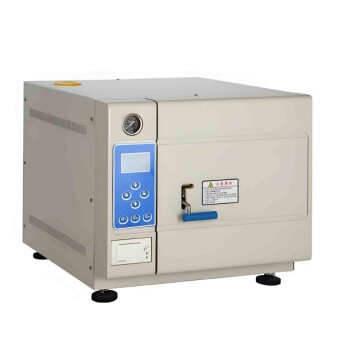
- High-Temperature High-Pressure Reactors & Autoclaves crafted from specialized corrosion-resistant alloys.
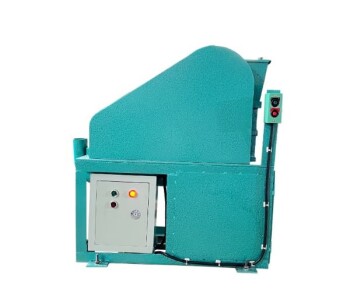
- Advanced Crushing & Milling Systems for biomass preparation.
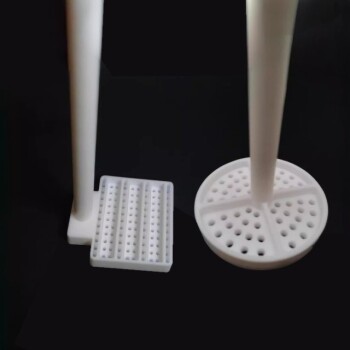
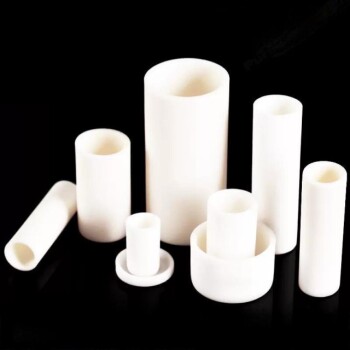
- High-Durability Consumables including PTFE products and specialized ceramics.
Whether you are performing dilute acid pretreatment or advanced battery research, KINTEK provides the precision tools you need to ensure data integrity and operational longevity.
Ready to upgrade your lab? Contact KINTEK experts today to find the perfect corrosion-resistant solution for your research goals.
References
- Abidemi Oluranti Ojo. An Overview of Lignocellulose and Its Biotechnological Importance in High-Value Product Production. DOI: 10.3390/fermentation9110990
This article is also based on technical information from Kintek Solution Knowledge Base .
Related Products
- Custom PTFE Teflon Parts Manufacturer Corrosion Resistant Cleaning Rack Flower Basket
- PTFE Electrolytic Cell Electrochemical Cell Corrosion-Resistant Sealed and Non-Sealed
- Stainless High Pressure Autoclave Reactor Laboratory Pressure Reactor
- Sealed Jaw Crusher High Efficiency Environmental Protection Safe and Reliable
- Desktop Fast Laboratory Autoclave Sterilizer 35L 50L 90L for Lab Use
People Also Ask
- What is the maximum operating temperature for a PTFE cleaning basket? Avoid Catastrophic Failure at 260°C
- How should a PTFE cleaning basket be stored when not in use? Maximize Lifespan & Prevent Contamination
- What is the correct way to place items into a PTFE cleaning basket? Master the Art of Perfect, Repeatable Cleaning
- What maintenance procedures are recommended for a PTFE cleaning basket? Extend Equipment Life & Ensure Process Purity
- How should a PTFE cleaning basket be cleaned and dried after use? Ensure Purity and Prevent Cross-Contamination