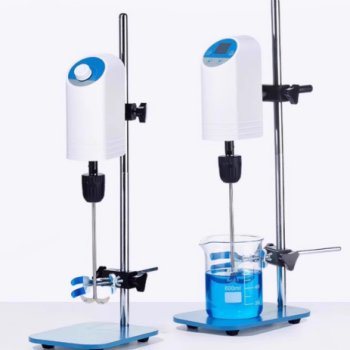
Vacuum stirring is a critical quality control step in the preparation of NCM811 cathode slurry, serving as a primary defense against structural and chemical defects. By mixing the components—NCM811, PVDF, and acetylene black—under reduced pressure, you simultaneously eliminate trapped air pockets and protect the active materials from reacting with the atmosphere.
Vacuum processing during the mixing phase is the difference between a standard slurry and a high-performance electrode; it ensures a dense, bubble-free coating while preserving the chemical integrity of sensitive high-nickel materials.
The Physical Impact: Eliminating Defects
Removal of Micro-Bubbles
The mechanical action of mixing inherently traps air within the viscous slurry.
If left untreated, these micro-bubbles create voids within the material matrix. Vacuum stirring actively pulls these gas pockets out of the mixture, preventing them from becoming permanent defects in the final product.
Achieving Defect-Free Coatings
When bubbles remain in the slurry, they often burst or settle during the coating process, leading to pinholes or uneven surfaces on the electrode sheet.
By degassing the slurry prior to coating, vacuum stirring ensures a smooth, continuous layer. This is essential for producing a defect-free electrode coating that adheres uniformly to the current collector.
Increasing Electrode Density
Air creates wasted space between particles.
Removing this air allows for tighter packing of the NCM811 particles and conductive additives. This results in a high-density electrode, which is directly correlated with higher volumetric energy density in the final battery cell.
The Chemical Impact: Preserving Stability
Preventing Material Oxidation
NCM811 is a high-nickel cathode material, which creates specific stability challenges.
Exposure to oxygen during the intense mixing process can degrade the active material. Vacuum stirring creates a protective environment that significantly reduces the risk of material oxidation, ensuring the chemistry remains active and stable.
Enhancing Electrochemical Performance
The combination of physical density and chemical purity leads to better electron and ion transport.
Consequently, the battery exhibits improved electrochemical performance, including better capacity retention and power output, because the internal resistance is minimized and the active material is fully utilized.
Understanding the Process Context
Distinguishing Stirring from Drying
It is important not to confuse vacuum stirring with vacuum drying, though both are essential.
Vacuum stirring occurs during the wet mixing phase to remove air and protect chemistry. Vacuum drying, as noted in supplementary contexts, occurs after coating to remove organic solvents (like NMP) and lower boiling points.
The Continuity of Protection
While their mechanisms differ, both steps share the goal of oxidation prevention.
Vacuum stirring protects the wet slurry, while vacuum drying protects the coated electrode during high-temperature treatment (e.g., 120°C). Neglecting vacuum in either stage compromises the cathode's final quality.
Making the Right Choice for Your Goal
If your primary focus is Coating Integrity: Prioritize high-vacuum levels during the final mixing stage to ensure the complete removal of micro-bubbles, preventing pinholes and delamination.
If your primary focus is Chemical Longevity: Ensure the vacuum is applied immediately upon the introduction of sensitive NCM811 powder to minimize exposure time to ambient oxygen.
Mastering the vacuum stirring process is the most effective way to guarantee the structural and chemical foundation required for high-performance NCM811 batteries.
Summary Table:
| Feature | Impact of Vacuum Stirring | Benefit for NCM811 Batteries |
|---|---|---|
| Air Removal | Eliminates micro-bubbles and gas pockets | Prevents pinholes and coating defects |
| Material Integrity | Prevents exposure to oxygen during mixing | Reduces oxidation and chemical degradation |
| Packing Density | Enables tighter particle arrangement | Increases volumetric energy density |
| Surface Quality | Ensures a smooth, continuous slurry layer | Improves adhesion to the current collector |
| Ion Transport | Minimizes internal resistance | Enhances electrochemical performance and capacity |
Elevate Your Battery Research with KINTEK Precision Solutions
Don't let micro-bubbles or oxidation compromise your NCM811 cathode performance. KINTEK specializes in advanced laboratory equipment designed for the rigorous demands of battery material synthesis. From high-performance vacuum stirring and crushing systems to specialized battery research tools and consumables, we provide the technology you need for defect-free electrode production.
Whether you require high-temperature furnaces for material calcination or hydraulic presses for pellet preparation, our comprehensive portfolio ensures your lab achieves superior results. Contact KINTEK today to optimize your slurry preparation process!
Related Products
People Also Ask
- How does a laboratory stirrer influence MOF product quality? Master Precision in Non-Solvothermal Synthesis
- What critical role does a Laboratory Stirrer play during leaching? Enhance Titanium-Magnesium Waste Recovery
- What is the primary function of laboratory stirring equipment in the preparation of compost leachate? Optimize Extraction
- What is a laboratory mixer? A Guide to Achieving Perfect Sample Homogeneity
- What is a laboratory mixer used for? Choose the Right Tool for Liquids or Solids