The specific reaction vessel required depends directly on the temperature and pressure conditions necessary for synthesis. For goethite, mild conditions allow for the use of simple polyethylene bottles, while the extreme heat and pressure required for hematite demand robust metal autoclaves to ensure containment and safety.
The deciding factor is the thermodynamic environment: Goethite synthesis occurs at low temperatures (70°C) under atmospheric pressure, making plastic suitable. Hematite synthesis requires high temperatures (200°C) which generate significant internal vapor pressure, necessitating high-pressure metal reactors to prevent structural failure.
Synthesis Conditions for Goethite
Low-Temperature Requirements
Goethite synthesis is carried out at approximately 70°C.
At this temperature, the thermal energy is relatively low. It is well below the melting or softening point of standard laboratory plastics.
Atmospheric Pressure
The process occurs under atmospheric pressure.
Because there is no elevated pressure, the reaction vessel does not need to withstand outward mechanical stress. There is no risk of the vessel rupturing due to internal force.
Chemical Stability of Polyethylene
Polyethylene bottles are chemically stable at these mild conditions.
They provide a non-reactive environment for the synthesis without degrading. This makes them a cost-effective and safe choice for goethite production.
Synthesis Conditions for Hematite
High-Temperature Demands
Hematite synthesis involves temperatures of 200°C.
This temperature exceeds the thermal limits of polyethylene and most common plastics. A plastic vessel would melt, deform, or chemically degrade almost immediately.
Internal Water Vapor Pressure
The most critical factor is the significant internal pressure generated at 200°C.
As the aqueous solution heats up in a closed system, water vapor creates immense pressure. A standard bottle cannot contain this force and would catastrophically fail.
The Necessity of Autoclaves
High-pressure metal reactors (autoclaves) are essential for this process.
These vessels are engineered to maintain a tight seal and withstand high tensile stress. This ensures safety and maintains the hydrothermal conditions required for hematite crystallization.
Critical Safety and Operational Risks
Potential for Vessel Failure
Using a polyethylene bottle for hematite synthesis is a major safety hazard.
The combination of 200°C heat and high pressure would cause the vessel to burst. This releases hot, pressurized chemical reactants into the laboratory environment.
Loss of Chemical Inertness
At elevated temperatures, incorrect materials may react with the solution.
Even if a plastic vessel did not burst, it could leach contaminants into the synthesis mixture. Metal autoclaves are designed with inert linings or materials that resist corrosion under extreme conditions.
Compromised Seals
Hematite synthesis relies on a closed system to maintain water in a liquid state above its boiling point.
Only high-pressure reactors are equipped with the heavy-duty sealing mechanisms required to prevent leaks. A leak would result in pressure loss and the failure of the synthesis reaction.
Making the Right Choice for Your Protocol
Selecting the correct vessel is a matter of matching equipment specifications to reaction energy.
- If your primary focus is Goethite Synthesis: Use polyethylene bottles, as they are chemically stable and safe at the required low temperature (70°C) and atmospheric pressure.
- If your primary focus is Hematite Synthesis: You must use high-pressure metal reactors (autoclaves) to safely contain the 200°C heat and the resulting internal vapor pressure.
Always prioritize the pressure rating and thermal limit of your vessel over convenience or cost.
Summary Table:
| Feature | Goethite Synthesis | Hematite Synthesis |
|---|---|---|
| Temperature | ~70°C (Mild) | ~200°C (High) |
| Pressure | Atmospheric | High Internal Vapor Pressure |
| Vessel Type | Polyethylene (PE) Bottle | High-Pressure Reactor (Autoclave) |
| Material Benefit | Cost-effective & Chemically Stable | High Tensile Strength & Thermal Resistance |
| Safety Risk | Low | High (Explosion risk if improper vessel used) |
Elevate Your Synthesis Precision with KINTEK
Whether you are performing low-temperature goethite synthesis or require the extreme conditions necessary for hematite crystallization, KINTEK provides the high-performance laboratory equipment you need. Our specialized range of high-temperature high-pressure reactors and autoclaves ensures maximum safety and containment for hydrothermal processes, while our durable PTFE products and ceramics maintain chemical purity at every stage.
Our laboratory solutions include:
- Advanced Reactors: High-pressure autoclaves, vacuum, and atmosphere furnaces.
- Sample Prep: Crushing, milling, and hydraulic pellet presses.
- Thermal Control: High-uniformity muffle and tube furnaces.
- Consumables: High-purity crucibles and chemical-resistant labware.
Don't compromise on safety or experimental integrity. Contact KINTEK today to find the perfect vessel for your specific thermal and pressure requirements!
References
- Marcel G. Görn, Juraj Majzlan. Incorporation of Mo<sup>6+</sup> in Ferrihydrite, Goethite, and Hematite. DOI: 10.1007/s42860-021-00116-x
This article is also based on technical information from Kintek Solution Knowledge Base .
Related Products
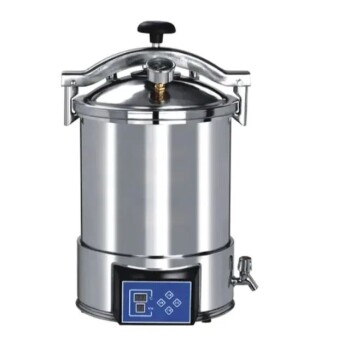
- Mini SS High Pressure Autoclave Reactor for Laboratory Use
- High Pressure Laboratory Autoclave Reactor for Hydrothermal Synthesis
- Stainless High Pressure Autoclave Reactor Laboratory Pressure Reactor
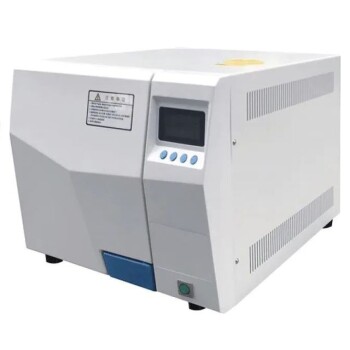
- Desktop Fast High Pressure Laboratory Autoclave Sterilizer 16L 24L for Lab Use
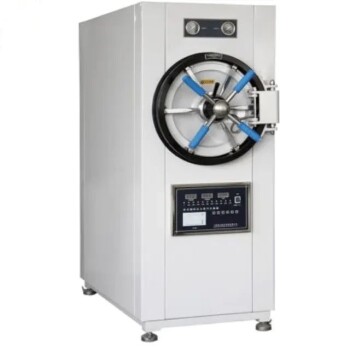
- Laboratory High Pressure Horizontal Autoclave Steam Sterilizer for Lab Use
People Also Ask
- Why use high-pressure reactors for molecular sieve synthesis? Unlock Superior Crystallinity and Framework Control
- What is the function of a high-pressure reactor autoclave? Enhancing Cu/N Co-Doped Carbon Catalyst Synthesis
- What are the advantages of using a high-pressure reactor like an autoclave? Maximize Liquefaction Speed & Yield
- Why are high-pressure reactors or autoclaves necessary for the synthesis of new functional materials? Unlock Precision.
- How are high-pressure reactors used to prepare metaphosphate electrocatalysts? Master In-Situ Precursor Growth