Reliable acidic Oxygen Evolution Reaction (OER) testing is impossible without strict control over both physical materials and electrochemical parameters. Because acidic electrolytes like 0.5 M H2SO4 are aggressively corrosive, the cell hardware must be constructed from chemically inert materials to prevent system degradation and sample contamination. Furthermore, high-precision potential control is the only way to accurately distinguish the catalyst's intrinsic activity from external resistance errors.
The validity of your OER data depends on a rigorous testing environment: you must use chemically resistant components like PTFE and quartz to survive the harsh acidity, while employing advanced iR compensation to ensure the voltage readings reflect the catalyst, not the circuit.
The Critical Role of Chemical Stability
The environment required for acidic OER is hostile to standard laboratory equipment. Ensuring the physical integrity of your cell is the first step toward reproducible data.
Combating Corrosive Electrolytes
Standard electrolytes for these tests, such as 0.5 M H2SO4, are highly corrosive.
If the cell components react with the acid, they can degrade rapidly. This not only destroys the equipment but can introduce dissolved impurities into the electrolyte, altering the electrochemical behavior of the catalyst.
Essential Material Selection
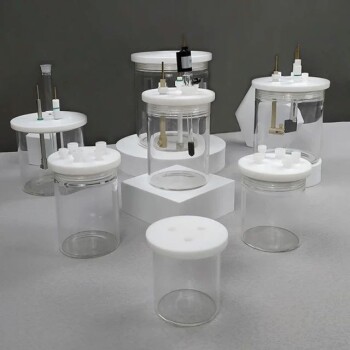
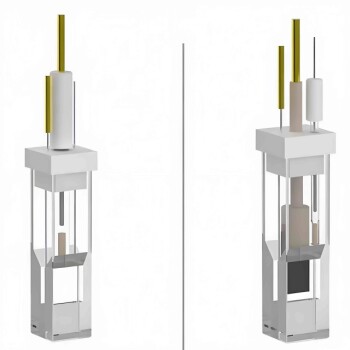
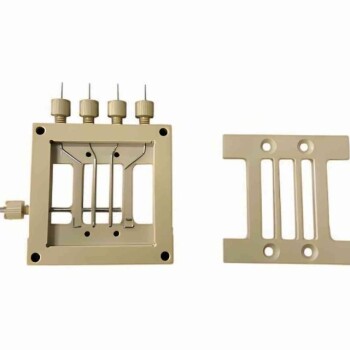
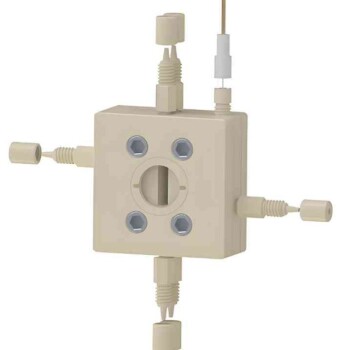
To mitigate corrosion, the electrolytic cell must be constructed from Polytetrafluoroethylene (PTFE) components.
PTFE provides the necessary chemical inertness to withstand prolonged exposure to strong acids. Additionally, quartz windows should be used for any optical ports, as they offer transparency without succumbing to acid etching.
The Necessity of Electrical Precision
Physical stability allows the experiment to run; electrical precision ensures the resulting data is meaningful.
Capturing True Overpotential
The primary metric for catalyst performance is overpotential.
To measure this accurately, you require a high-precision electrochemical workstation. Standard power supplies lack the sensitivity to detect the minute current responses required to characterize high-performance catalysts.
The Importance of iR Compensation
A critical function of these workstations is voltage compensation, commonly known as iR compensation.
Without this feature, the resistance of the electrolyte and contacts causes a voltage drop that distorts your data. iR compensation mathematically corrects for this drop, ensuring the recorded potential is applied directly to the reaction interface.
Common Pitfalls to Avoid
Neglecting either stability or precision leads to specific, avoidable failures in your research.
The Risk of Leachate Contamination
If you compromise on material quality (e.g., avoiding PTFE), the cell walls may leach ions into the solution.
These "rogue" ions can deposit onto your catalyst, creating false activity peaks or poisoning the active sites. This makes it impossible to determine if your results are due to your catalyst or the dissolving cell.
Data Drift in Long-Term Testing
Long-term stability tests are particularly vulnerable to poor potential control.
Without precise regulation and constant iR compensation, small fluctuations in system resistance over time can look like catalyst degradation. You need a system that maintains experimental reliability over hours or days, not just minutes.
Making the Right Choice for Your Goal
Selecting the right setup depends on the specific aspect of the catalyst you are investigating.
- If your primary focus is long-term durability: Prioritize a cell body constructed entirely of PTFE and quartz to ensure that no hardware degradation interferes with the catalyst's lifecycle data.
- If your primary focus is intrinsic catalytic activity: Prioritize a workstation with advanced iR compensation algorithms to eliminate ohmic drop and capture the true overpotential of the material.
Invest in the stability of your hardware and the precision of your electronics to ensure your data stands up to scrutiny.
Summary Table:
| Feature | Requirement | Impact on OER Testing |
|---|---|---|
| Material Stability | PTFE & Quartz components | Prevents corrosion and electrolyte contamination. |
| Chemical Resistance | Inertness to 0.5 M H2SO4 | Ensures long-term hardware durability and data purity. |
| Potential Control | High-precision workstation | Accurately measures intrinsic catalyst overpotential. |
| Error Correction | Advanced iR Compensation | Eliminates voltage drops caused by electrolyte resistance. |
Elevate Your OER Research with KINTEK Precision
Don't let hardware degradation or electrical noise compromise your catalyst research. KINTEK specializes in high-performance laboratory solutions, providing the electrolytic cells, electrodes, and high-precision electrochemical tools necessary for rigorous acidic OER testing. From corrosion-resistant PTFE components to advanced battery research tools, we empower researchers to achieve reproducible, publication-quality results.
Ready to optimize your electrochemical setup?
Contact KINTEK experts today for a tailored consultation and discover how our specialized equipment can enhance your lab's efficiency.
References
- Yuhua Xie, Zehui Yang. Acidic oxygen evolution reaction via lattice oxygen oxidation mechanism: progress and challenges. DOI: 10.20517/energymater.2024.62
This article is also based on technical information from Kintek Solution Knowledge Base .
Related Products
- PTFE Electrolytic Cell Electrochemical Cell Corrosion-Resistant Sealed and Non-Sealed
- Electrolytic Electrochemical Cell with Five-Port
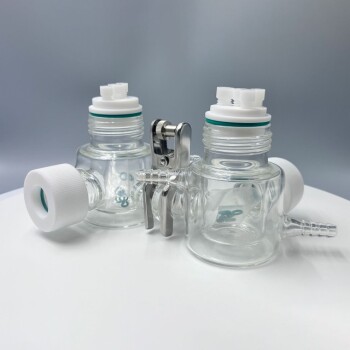
- Super Sealed Electrolytic Electrochemical Cell
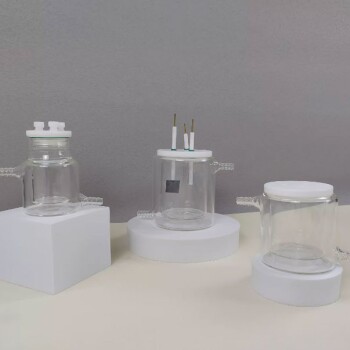
- Double Layer Five-Port Water Bath Electrolytic Electrochemical Cell
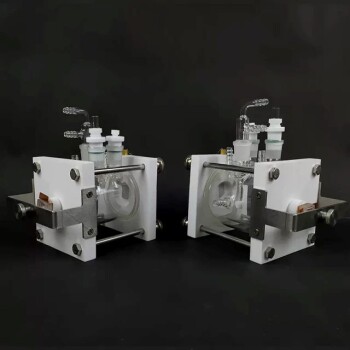
- Electrolytic Electrochemical Cell Gas Diffusion Liquid Flow Reaction Cell
People Also Ask
- What is the necessity of selecting a PTFE electrolytic cell? Ensure Precise Graphene Corrosion Testing Accuracy
- What is the proper method for cleaning the surface of an all-PTFE electrolytic cell? Ensure Accurate Results with a Pristine Surface
- How should an all-PTFE electrolytic cell be stored after use? Expert Maintenance Tips for Long-Lasting Performance
- What is the proper cleaning method for an all-PTFE electrolytic cell? Essential Tips for Surface Integrity
- What are the standard opening specifications for all-PTFE electrolytic cells? A Guide to Sealed vs. Non-Sealed Ports