Preserving the precise hydrogen content within the material is the sole reason for this storage method. Hydrogen-charged 316L stainless steel samples must be stored in liquid nitrogen to drastically inhibit the diffusion kinetics of hydrogen atoms. By subjecting the steel to a cryogenic environment, you effectively "freeze" the hydrogen in place, preventing it from escaping the material before you can perform your analysis.
The extreme cold of liquid nitrogen locks hydrogen atoms into microstructural traps, such as dislocations and grain boundaries. This step is non-negotiable for preventing hydrogen loss and ensuring that Thermal Desorption Spectroscopy (TDS) yields accurate, representative results.
The Mechanics of Hydrogen Trapping
Controlling Diffusion Kinetics
Hydrogen atoms are incredibly small and highly mobile within a metal lattice. At room temperature, they possess enough energy to diffuse through the steel and escape into the atmosphere.
Storage in liquid nitrogen lowers the thermal energy of the system significantly. This reduction in energy virtually stops the movement of hydrogen atoms, holding them in their current state.
Utilizing Material Traps
The goal of cryogenic storage is to maintain the hydrogen distribution within the steel's microstructure. The rapid freezing process locks the atoms into specific "traps" within the material.
According to technical standards, these traps include dislocations, grain boundaries, and phase interfaces. By securing the hydrogen in these defects, you preserve the sample's internal conditions as they existed immediately after charging.
The Impact on Data Integrity
Preventing Pre-Analysis Desorption
The time between charging a sample and analyzing it is a critical vulnerability window. Without proper storage, the hydrogen concentration begins to drop immediately.
If hydrogen acts as a fugitive element and diffuses out, your sample no longer represents the charged condition. This renders any subsequent testing invalid.
Ensuring Accurate TDS Results
The primary application for these samples is often Thermal Desorption Spectroscopy (TDS). This analysis relies on measuring the hydrogen as it is released under controlled heating.
If the sample loses hydrogen during storage, the TDS data will show artificially low levels. Liquid nitrogen storage ensures the baseline remains constant until the exact moment of analysis.
Understanding the Trade-offs
The Risk of Thermal Transients
While liquid nitrogen is effective, it requires rigorous discipline. Even brief exposure to room temperature during transfer can re-initiate diffusion.
Dependence on Trap Stability
It is important to note that while cryogenic storage inhibits diffusion, it does not permanently fix the hydrogen. Once the sample is removed from the tank, the "clock starts ticking" again immediately.
Best Practices for Sample Integrity
To ensure your data withstands scrutiny, consider the following recommendations based on your specific analytical goals:
- If your primary focus is accurate quantification: Ensure samples are transferred to liquid nitrogen immediately after charging to minimize initial diffusion loss.
- If your primary focus is workflow management: Keep samples submerged in the cryogenic tank until the precise moment they are loaded into the TDS apparatus.
Strict thermal management is the only way to guarantee the hydrogen profile you measure is the one that actually exists in your material.
Summary Table:
| Feature | Impact of Room Temperature | Impact of Liquid Nitrogen (-196°C) |
|---|---|---|
| Hydrogen Mobility | High; rapid diffusion out of lattice | Extremely low; atoms are "frozen" in place |
| Microstructural Traps | Atoms escape dislocations/boundaries | Atoms remain locked in traps |
| Data Integrity | Significant loss; inaccurate TDS results | Preserved; representative of charged state |
| Storage Goal | None (Leads to desorption) | Inhibits diffusion kinetics |
Secure Your Material Analysis with KINTEK Precision Solutions
Precise research requires more than just high-quality samples; it demands the right equipment to maintain their integrity. KINTEK specializes in advanced laboratory solutions designed for the most demanding material science applications. Whether you are conducting hydrogen embrittlement studies or complex metallurgy, we provide the tools you need to succeed.
Our extensive portfolio includes:
- High-Temperature High-Pressure Reactors & Autoclaves for advanced material charging.
- ULT Freezers and Cooling Solutions to manage critical thermal transients.
- Crushing, Milling, and Sieving Systems for precise sample preparation.
- Hydraulic Presses and Furnaces for comprehensive material characterization.
Don't let fugitive hydrogen compromise your TDS data. Contact KINTEK today to discover how our high-performance laboratory equipment and consumables can enhance your research accuracy and laboratory efficiency.
References
- Polina Metalnikov, D. Eliezer. Hydrogen Trapping in Laser Powder Bed Fusion 316L Stainless Steel. DOI: 10.3390/met12101748
This article is also based on technical information from Kintek Solution Knowledge Base .
Related Products
- Battery Lab Equipment 304 Stainless Steel Strip Foil 20um Thick for Battery Test
- Sub-Lance Probe for Molten Steel Temperature Carbon Content Oxygen Content Measurement and Steel Sample Collection
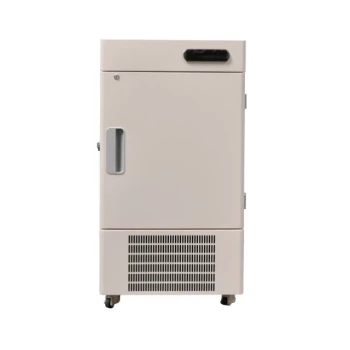
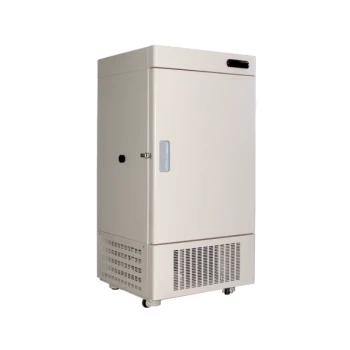
- 58L Precision Laboratory Ultra Low Temperature Upright Freezer for Critical Sample Storage
- 308L Precision Ultra Low Temperature Freezer for Laboratory Applications
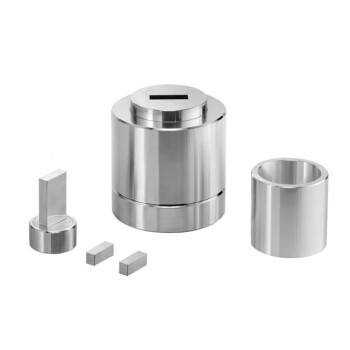
- Assemble Square Lab Press Mold for Laboratory Applications
People Also Ask
- How is a galvanostat used to evaluate F-rGO layers? Quantifying Protective Performance in Lithium Metal Batteries
- What is the sputtering cathode method? A Guide to Thin Film Deposition Technology
- What is sputtering target material? The Blueprint for High-Quality Thin Film Coatings
- What is organic thin film? A Guide to Engineered Molecular Layers for Advanced Tech
- What are the target materials for sputtering? From Metals to Ceramics for Precise Thin Films