Our glass substrates are engineered for precision in laboratory settings and beyond. From soda-lime optical glass to high-temperature resistant quartz, each product is designed to meet the exacting standards of optical technology. Discover our range of substrates, including sapphire sheets, boro-aluminosilicate glass, and optical quartz plates, all crafted to enhance your research and experiments.
Toggle Categories
Get Instant Support
Choose your preferred way to connect with our team
-
Get Free Quote Fill out form for detailed pricing
-
Send Email Detailed inquiry support
-
WhatsApp Quick mobile chat
Response Time
Within 8 hours on working days, 24 hours on holidays
glass substrate
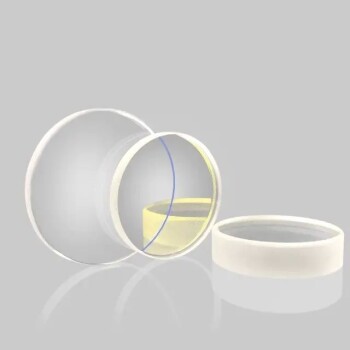
Optical Window Glass Substrate Wafer Sheets Zinc Sulfide ZnS Window
Item Number: KTOM-ZSS
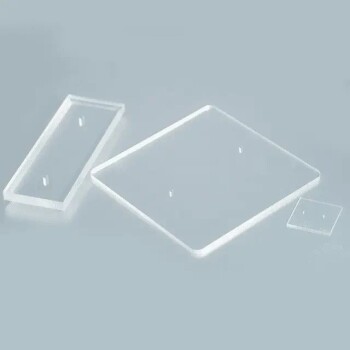
MgF2 Magnesium Fluoride Crystal Substrate Window for Optical Applications
Item Number: KTOM-MFS
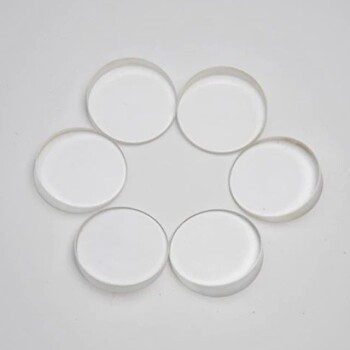
Optical Window Glass Substrate Wafer CaF2 Substrate Window Lens
Item Number: KTOM-CFW
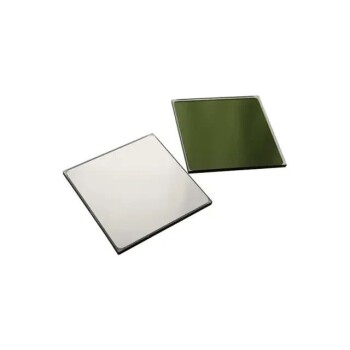
Optical Window Glass Substrate Wafer Single Double Sided Coated K9 Quartz Sheet
Item Number: KTOM-CGS
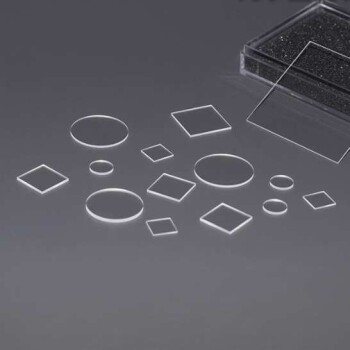
Infrared Transmission Coating Sapphire Sheet Substrate Window
Item Number: KTOM-ISS
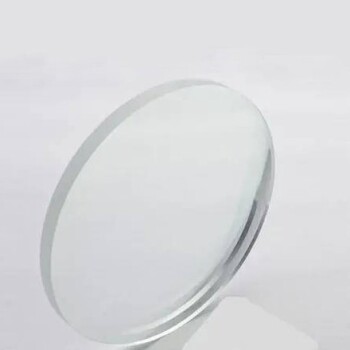
Optical Ultra-Clear Glass Sheet for Laboratory K9 B270 BK7
Item Number: KTOM-OGS
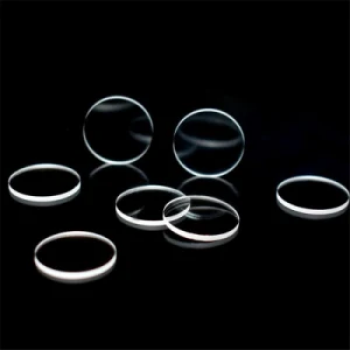
High Temperature Resistant Optical Quartz Glass Sheet
Item Number: KTOM-HTR
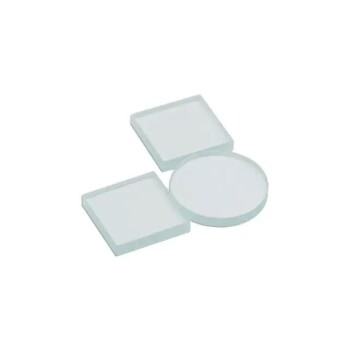
Float Soda-Lime Optical Glass for Laboratory Use
Item Number: KTOM-FSO
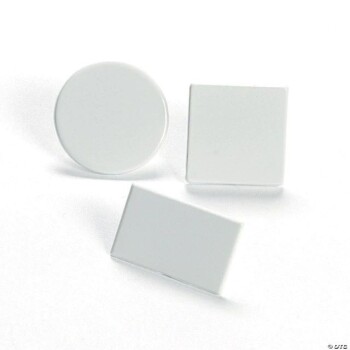
Infrared High Resistance Single Crystal Silicon Lens
Item Number: KTOM-HBS
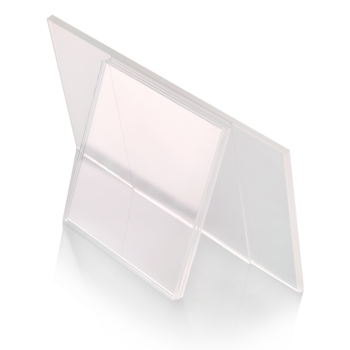
Optical Window Glass Substrate Wafer Quartz Plate JGS1 JGS2 JGS3
Item Number: KTOM-OQP
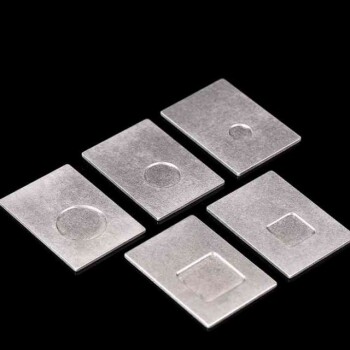
Customizable XRD Sample Holders for Diverse Research Applications
Item Number: KTOM-ABG
Unmatched Quality in Glass Substrates
In the realm of optical technology, the quality of the substrate can make or break a project. Our glass substrates are meticulously crafted to offer unparalleled performance in a variety of applications. Whether you're working in telecommunications, astronomy, or laboratory research, our products are designed to meet your needs.
Soda-Lime Optical Glass
Our soda-lime optical glass is a favorite among researchers for its exceptional flatness and uniform thickness. Created by floating molten glass on molten tin, this method ensures a smooth, flawless surface ideal for thin and thick film deposition. Its versatility makes it a go-to choice for many optical applications.
Sapphire Substrates
Sapphire substrates are known for their extraordinary chemical, optical, and physical properties. Resistant to thermal shocks, high temperatures, sand erosion, and water, sapphire substrates are the backbone of many high-performance optical systems. Their durability and clarity make them indispensable in demanding environments.
Boro-Aluminosilicate Glass
Boro-aluminosilicate glass is renowned for its resistance to thermal expansion, making it ideal for applications requiring stability under varying temperatures. Commonly used in laboratory glassware and cooking utensils, this glass is a testament to its versatility and reliability.
Optical Quartz Glass
Optical quartz glass sheets are essential for precise light manipulation in various fields. From telecommunications to astronomy, these sheets offer exceptional clarity and tailored refractive properties. Their high purity and thermal resistance make them a preferred choice for advanced optical technologies.
K9 Quartz Sheet
K9 glass, also known as K9 crystal, is a type of optical borosilicate crown glass. Renowned for its exceptional optical properties, K9 quartz sheets are used in a wide range of applications, from laboratory settings to industrial optics. Their durability and optical clarity set them apart.
Calcium Fluoride Substrates
Calcium fluoride (CaF2) windows are versatile and environmentally stable, resistant to laser damage and exhibiting high, stable transmission from 200 nm to about 7 μm. These properties make them ideal for precision imaging and signal transmission applications.
Magnesium Fluoride Crystal Substrates
Magnesium fluoride (MgF2) is a tetragonal crystal that exhibits anisotropy, making it crucial for single-crystal precision in imaging and signal transmission. Its unique properties ensure high-quality results in advanced optical systems.
Glassy Carbon Sheet - RVC
Our Glassy Carbon Sheet - RVC is perfect for experimental applications, offering high-quality material that elevates research to new heights. Its durability and performance make it a favorite among researchers.
Silicon Lenses
Silicon (Si) is one of the most durable mineral and optical materials, particularly for applications in the near-infrared (NIR) range. Our silicon lenses are designed to meet the demanding standards of optical technology, ensuring reliable performance.
Glass Oscillating Beads
Glass vibration beads, commonly used in laboratory settings, are transparent glass balls designed to prevent zeolite formation. Their precision and effectiveness make them an essential tool in many research projects.
At Kintek Solution, we pride ourselves on our ability to offer customized solutions that meet the specific needs of our clients. Our team of experts is dedicated to providing the highest quality glass substrates, ensuring that your projects succeed. For more information or to discuss your specific requirements, please contact us. We look forward to helping you achieve your goals with our premium glass substrates.
FAQ
What Are The Main Types Of Glass Substrates?
The main types of glass substrates include soda-lime glass, sapphire, boroaluminosilicate glass, optical quartz glass, K9 glass, CaF2 substrate, magnesium fluoride crystal substrate, and silicon.
What Is Soda-lime Glass Used For?
Soda-lime glass is widely used as an insulating substrate for thin and thick film deposition in various applications due to its uniform thickness and exceptionally flat surfaces.
What Are The Advantages Of Using Sapphire Substrates?
Sapphire substrates offer unparalleled chemical, optical, and physical properties. They are highly resistant to thermal shocks, high temperatures, sand erosion, and water, making them ideal for demanding applications.
Why Is Boroaluminosilicate Glass Suitable For Laboratory Glassware And Cooking Utensils?
Boroaluminosilicate glass is highly resistant to thermal expansion, making it suitable for applications that require resistance to temperature changes, such as laboratory glassware and cooking utensils.
What Are The Applications Of Optical Quartz Glass Sheets?
Optical quartz glass sheets are used for precise light manipulation in various fields including telecommunications, astronomy, and optical technology due to their exceptional clarity and tailored refractive properties.
What Makes K9 Glass Special?
K9 glass, also known as K9 crystal, is a type of optical borosilicate crown glass renowned for its exceptional optical properties, making it suitable for various optical applications.
What Is A CaF2 Window Used For?
A CaF2 window is an optical window made of crystalline calcium fluoride. These windows are versatile, environmentally stable, and resistant to laser damage, making them suitable for a wide range of optical applications.
What Are The Properties Of Magnesium Fluoride Crystal Substrates?
Magnesium fluoride (MgF2) is a tetragonal crystal that exhibits anisotropy, making it imperative to treat it as a single crystal when engaging in precision imaging and signal transmission.
What Is Silicon Used For In The Near-infrared Range?
Silicon (Si) is widely regarded as one of the most durable mineral and optical materials for applications in the near-infrared (NIR) range, approximately 1 μm to 6 μm.
What Are Glass Vibration Beads Used For In Laboratories?
Glass vibration beads, commonly used in laboratory settings, are transparent glass balls designed to prevent zeolite formation, making them useful in various experimental setups.
REQUEST A QUOTE
Our professional team will reply to you within one business day. Please feel free to contact us!
Related Articles

Why Your FTIR/XRF Results Are Inconsistent—And How to Fix It for Good
Stop blaming your spectrometer. Discover the hidden culprit behind inconsistent FTIR/XRF results and learn how to achieve perfect analytical data every time.
Read more
The Architecture of Isolation: Deconstructing the Super-Sealed Electrolytic Cell
Discover the engineering behind super-sealed electrolytic cells. We analyze the critical role of PTFE flanges and how total atmospheric isolation protects sensitive research.
Read more
The Silent Volatility: Mastering the Art and Safety of Electrolytic Cells
Electrolytic cell safety requires more than just PPE. It demands a systemic approach to managing invisible chemical, electrical, and physical hazards.
Read more
The Architecture of Certainty: Why Three Electrodes Are Better Than Two
Discover why the three-electrode system is the standard for electrochemical precision, separating current flow from voltage measurement for true analytical clarity.
Read more
The Geometry of Control: Why Millimeters Dictate Experimental Destiny
In electrochemistry, the difference between success and failure often lies in aperture size. Explore the engineering logic behind Φ 6.2mm and Φ 3.2mm standards.
Read more
The Glass Heart of the Experiment: Mastering the Electrolytic Cell
Master the art of handling electrolytic cells. Learn the critical balance between physical fragility, chemical safety, and operational precision.
Read more
The Architecture of Silence: Purity in the Five-Port Cell
Preventing contamination is not just about cleaning; it is about system management. Master the protocols for glass and PTFE to ensure electrochemical precision.
Read more
The Invisible Valve: Why Electrode Polarity Dictates Chemical Destiny
Electrode polarity isn't just a label; it determines where oxidation and reduction occur. Master the physics of the electrolytic cell to prevent failure.
Read more
The Architecture of Precision: Why Your Electrolytic Cell Specs Matter More Than You Think
Discover the critical logic behind electrolytic cell specifications. From aperture geometry to volume trade-offs, learn how the right vessel defines experimental success.
Read more
The Transparency Paradox: Mastering the Fragile Precision of All-Quartz Cells
Quartz cells offer unmatched optical purity but demand rigorous discipline. Learn the essential protocols for inspection, thermal management, and handling.
Read more
The Architecture of Control: Decoding the Five-Port Electrolytic Cell
Unlock the specifics of the standard five-port electrolytic cell (3x Φ6.2mm, 2x Φ3.2mm) and why precise customization is the key to reproducible electrochemistry.
Read more
The Invisible Architecture of Accuracy: Mastering Electrode Installation
Master the lifecycle of electrode installation—from inspection to alignment and maintenance—to ensure safety and reproducibility in electrochemical experiments.
Read more
The Architecture of Silence: Why Quartz Defines Electrochemical Precision
In electrochemistry, the vessel is as critical as the catalyst. Discover why quartz's unique properties make it the unseen hero of precise experimentation.
Read more
The Invisible 90%: Why Spectroelectrochemistry Succeeds Before It Begins
Experimental success isn't just about the reaction; it's about the vessel. Master the 4-step preparation protocol for optical electrolytic cells to ensure data integrity.
Read more
The Architecture of Silence: Why Material Choice Defines Electrochemical Truth
Explore how High Borosilicate Glass, PTFE, and POM create the perfect chemically inert environment for accurate electrochemical testing.
Read more
The Fidelity of Light: Preserving the Quartz Interface in Spectroelectrochemistry
The quartz window is the critical interface between your sample and your data. Learn why protecting it from oils, scratches, and solarization is vital for optical accuracy.
Read more
The Art of the Shutdown: Engineering Reliability in Electrochemical Cells
Post-experiment procedures are not chores; they are the foundation of future accuracy. Learn the disciplined protocol for maintaining double-layer electrolytic cells.
Read more
The Ritual of Clarity: A Systemic Approach to Cleaning Furnace Tubes
Cleaning a furnace tube isn't just maintenance; it's calibration. Learn the diagnostic process for quartz and alumina tubes to prevent contamination.
Read more
The Geometry of Control: Why 1 cm² Defines Electrochemical Success
Discover why the standard 1 cm² reaction area and precision O-ring sealing create the necessary baseline for repeatable, accurate electrochemical data.
Read more
The Architecture of Containment: Selecting Materials for Super-Sealed Electrolytic Cells
The vessel defines the experiment. Explore the engineering trade-offs between Borosilicate Glass, Quartz, and PTFE to ensure accurate electrochemical data.
Read more