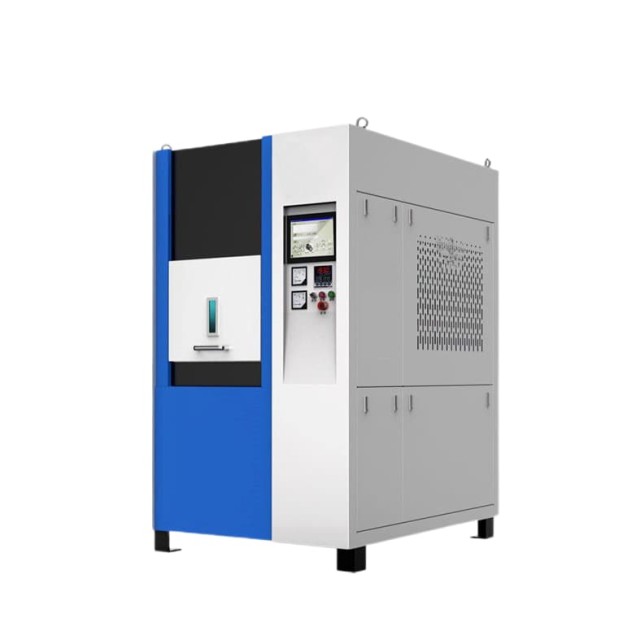
Vacuum Hot Press Furnace
Spark Plasma Sintering Furnace SPS Furnace
Item Number : KTSP
Price varies based on specs and customizations
- Output current
- 0-30000 A
- Rated temperature
- 2300 ℃
- Rated pressure
- 100-500 KN
- Sample size
- Ø30-Ø200 mm

Shipping:
Contact us to get shipping details Enjoy On-time Dispatch Guarantee.
Why Choose Us
Easy ordering process, quality products, and dedicated support for your business success.
Introduction
Spark Plasma Sintering (SPS) is a rapid material preparation method that utilizes pulsed current to sinter materials directly in a mold. It combines plasma activation, hot pressing, and resistance heating, offering several advantages over traditional sintering methods. SPS enables uniform heating, high heating rates, low sintering temperatures, short sintering times, and high production efficiency. It also purifies surfaces, inhibits grain growth, and facilitates the production of uniform and controllable structures. Compared to conventional sintering, SPS is environmentally friendly, cost-effective, and requires minimal operation time.
Application
The Spark Plasma Sintering Furnace (SPS) is a versatile and advanced tool used in various scientific and industrial applications. This technology is particularly known for its ability to sinter materials at high speeds and with excellent compactness, making it ideal for a range of specialized materials and processes. Below are the main application areas of the SPS furnace:
- Sintering of Nanophase Materials: Utilized for the consolidation of nanoscale materials, enhancing their mechanical and physical properties.
- Functionally Graded Materials (FGM): Enables the creation of materials with spatially varying properties, crucial for advanced engineering applications.
- Nanoscale Thermoelectric Materials: Essential for the production of materials used in energy conversion devices.
- Rare Earth Permanent Magnets: Critical for manufacturing high-performance magnets used in various electronics and automotive applications.
- Target Materials: Used in the production of materials for thin film deposition in electronics and optics.
- Nonequilibrium Materials: Suitable for synthesizing materials that do not follow traditional equilibrium phase diagrams.
- Medical Implants: Helps in the development of biocompatible materials with precise mechanical properties for medical devices.
- Joining and Forming: Beyond sintering, SPS can be used for joining dissimilar materials and forming complex shapes.
- Surface Modification: Effective for altering the surface properties of materials to enhance durability or functionality.
- Solid Electrolyte and Electric Thermal Material Research: Ideal for the study and production of materials used in solid-state batteries and thermal management systems.
Features
The Spark Plasma Sintering Furnace (SPS) is a cutting-edge solution for rapid and efficient sintering of a wide range of materials, including metals, ceramics, and composites. This advanced furnace utilizes a unique pressure sintering method that employs on-off DC pulse currents to generate discharge plasma, discharge impact pressure, Joule heat, and electric field diffusion, significantly enhancing the sintering process. Below are the key features of the SPS furnace, highlighting how they benefit the customer:
- Automated Program Control: The SPS furnace features an advanced control system that automates critical processes such as sintering temperature, pressure, and current control. This automation not only ensures consistent and precise sintering conditions but also reduces the need for manual intervention, saving time and reducing human error.
- Enhanced Safety Measures: Equipped with a safety shutdown function, the SPS furnace automatically shuts down when it detects abnormal water temperatures, mold damage, or other emergencies. This proactive safety feature protects both the equipment and the operator, ensuring a secure working environment.
- Data Acquisition and Analysis System: The furnace includes a sophisticated data acquisition system that records and analyzes critical process parameters such as sintering voltage, current, control temperature, applied pressure, displacement, and vacuum degree. This capability allows for detailed tracking of the production process and helps in optimizing the sintering conditions for better product quality.
- User-Friendly Interface: With a large LCD touch operation panel, the SPS furnace provides real-time diagnostics and status updates, including displacement data, interlock status, alarm displays, and pressurization pressure settings. This intuitive interface simplifies operation and maintenance, making it easier for operators to manage the sintering process effectively.
- High-Pressure Graphite Mold: The use of a robust graphite mold in the SPS furnace allows for high-pressure sintering, enhancing the density and quality of the sintered products. The mold is designed with a through hole for thermocouple insertion, enabling precise temperature monitoring during the sintering process.
Detail & Parts
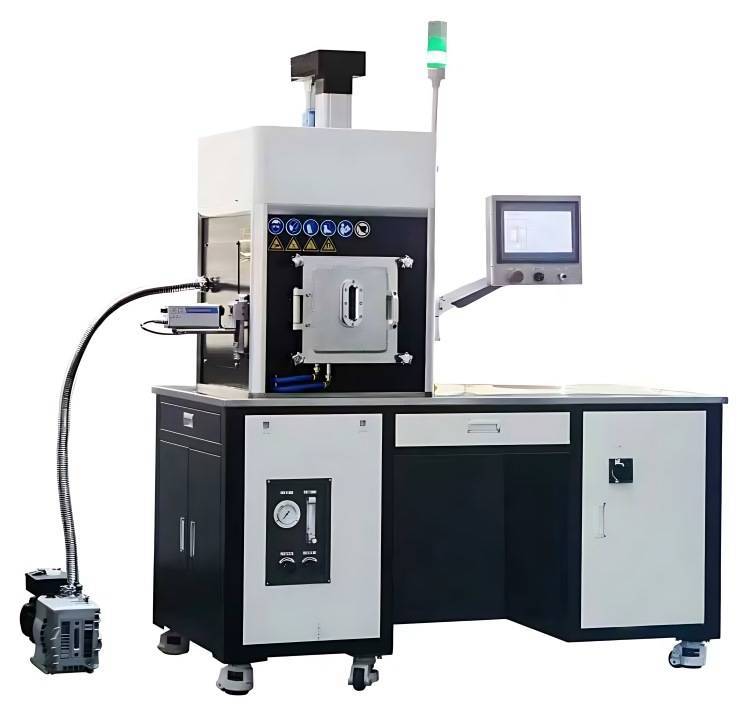
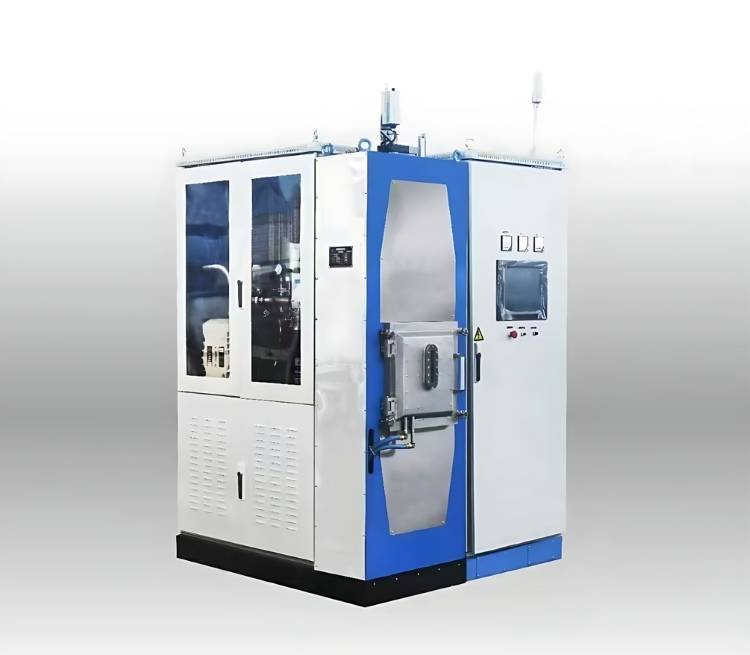
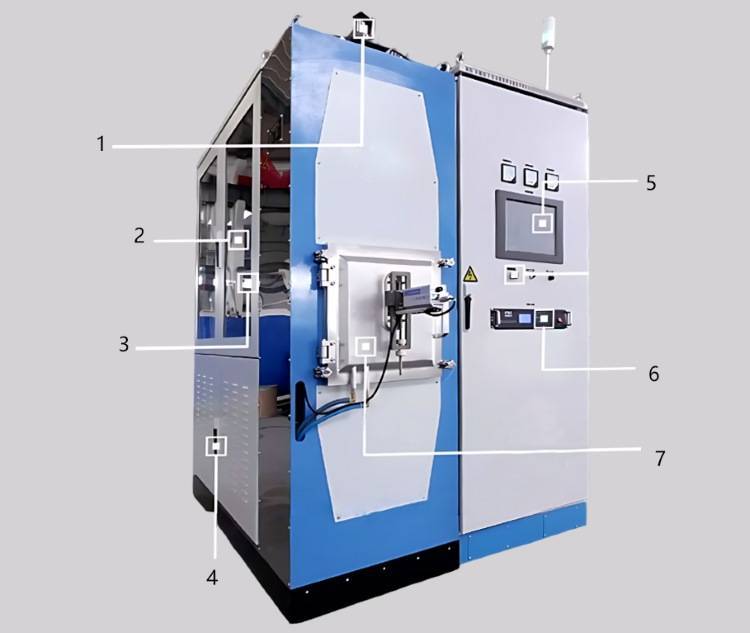
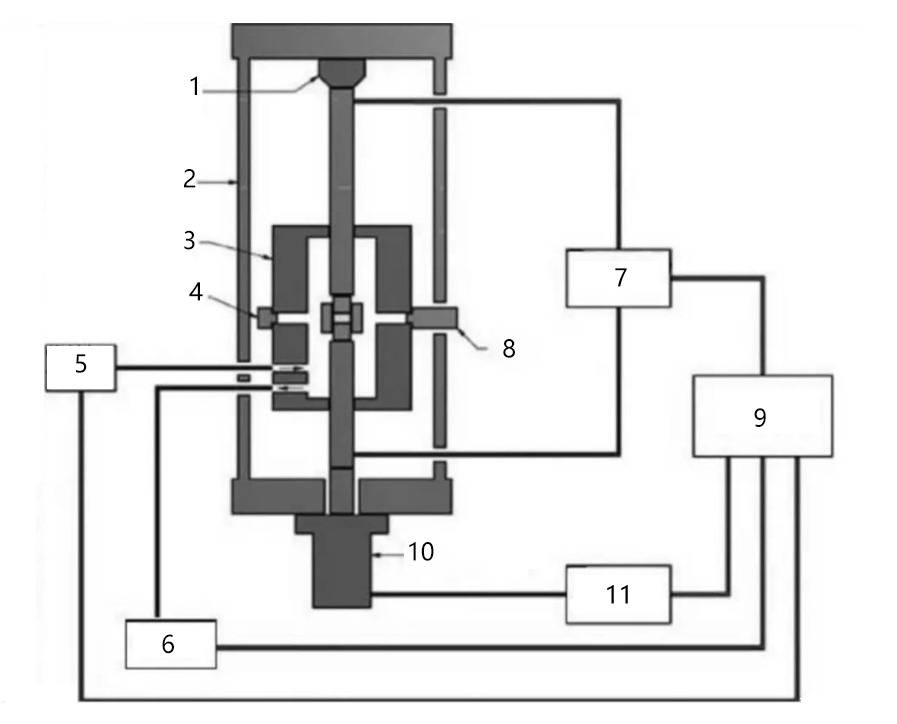
1. Loading unit 2. Loading frame 3. Vacuum chamber 4. Observation window 5. Inert gas channel 6. Vacuum pump 7. Pulse switch 8. Temperature meter 9. Control system 10. Hydraulic cylinder 11. Hydraulic system
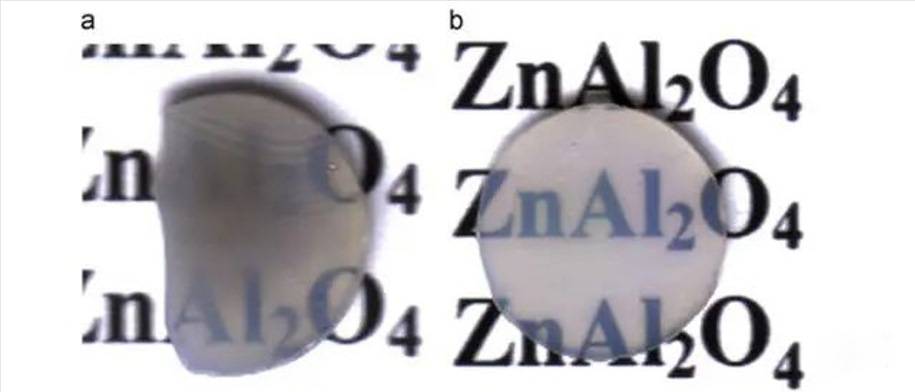
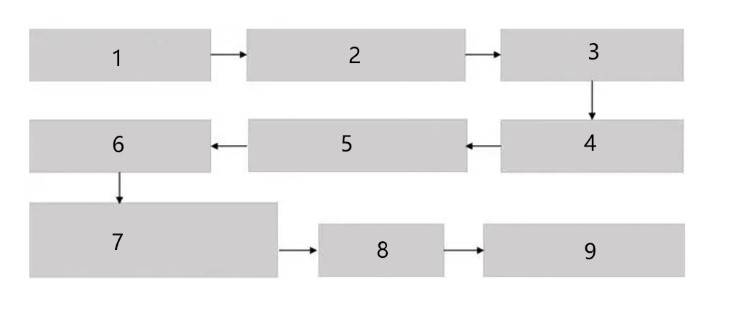
Process flow of spark plasma sintering (1.Select appropriate mold 2.Calculate the required powder mass3.Fill the mold 4.Apply pressure 5.Place in plasma sintering 6.Static pressure molding 7.Computer adjust sintering parameters plasma rapid sintering 8.Sample finished product 9.Performance testing and research)
Principle
Spark Plasma Sintering (SPS) is a rapid material preparation method that combines plasma activation, hot pressing, and resistance heating. It involves passing a pulse current directly through the mold and powder particles or bulk samples to induce sintering.
SPS utilizes the Joule heat generated by the current flow to heat the sample. The current passing through the powder creates spark discharge between adjacent particles, ionizing gas molecules and generating positrons and electrons. The resulting plasma purifies and activates the particle surfaces, promoting material migration and reducing sintering temperature and time.
The pulse current voltage applied provides high energy density, enabling rapid sintering and dispersion of the discharge point. This unique heating mode facilitates rapid cooling within the crystal structure, allowing for the preparation of high-quality amorphous and nano materials.
Advantages
- Rapid Sintering: SPS furnaces offer exceptionally fast heating rates, drastically reducing sintering time compared to traditional methods.
- Compact Structure: The compact design of SPS furnaces minimizes floor space requirements, enabling efficient deployment.
- Uniform Heating: SPS furnaces deliver uniform heating throughout the sample, ensuring consistent sintering results.
- High Heating Rate: The high heating rate of SPS furnaces enables rapid temperature increases, allowing for shorter processing times.
- Low Sintering Temperature: SPS furnaces operate at lower sintering temperatures than traditional methods, preserving material integrity.
- Surface Purification: The plasma discharge in SPS furnaces purifies the surface of particles, removing impurities and enhancing bonding.
- Grain Growth Inhibition: SPS furnaces minimize grain growth, resulting in a uniform and controllable product structure.
- Versatile Material Compatibility: SPS furnaces can sinter a wide range of materials, including metals, alloys, ceramics, and composites.
- Environmental Sustainability: SPS technology is environmentally friendly, reducing energy consumption and waste generation.
- Cost-Effectiveness: SPS furnaces offer a cost-effective solution for high-speed sintering, reducing production time and expenses.
- Solid-State Diffusion Bonding: SPS furnaces enable solid-state diffusion bonding between materials, providing high product strength and airtightness.
- Advanced Material Synthesis: SPS furnaces facilitate the synthesis of advanced materials, such as nanomaterials, functionally graded materials, and rare earth magnets.
Technical parameters
Spark Plasma Sintering Furnace (SPS) upto 20 Ton pressure and 1600ºC , is a Spark Plasma Sintering System is designed for a wide range of material research upto 1600ºC. It can be used for sintering, sinter-bonding, surface treatment, and synthesis. The sample material can be metals, ceramics, nanostructured material and amorphous material. This system is perfectly fit solid electrolyte and electric thermal material research.
| Configuration |
|
| Temperature controller |
|
| Hydraulic Press |
|
| Vacuum Chamber |
|
| Dimension |
|
Technical specifications
| Model | KTSP-10T-5 | KTSP-20T-6 | KTSP-20T-10 | KTSP-50T-30 |
| Rated power | 50Kw | 60Kw | 100Kw | 300Kw |
| Output current | 0-5000A | 0-6000A | 0-10000A | 0-30000A |
| Input voltage | 0-10V | 0-10V | 0-10V | 0-10V |
| Rated temperature | 2300℃ | |||
| Rated pressure | 100KN | 200KN | 200KN | 500KN |
| Sample size | Ø30mm | Ø50mm | Ø100mm | Ø200mm |
| Ram stroke | 100mm | 100mm | 100mm | 200mm |
| Ultimate vacuum | 1Pa | |||
Warnings
Operator safety is the top important issue! Please operate the equipment with cautions. Working with inflammable& explosive or toxic gases is very dangerous, operators must take all necessary precautions before starting the equipment. Working with positive pressure inside the reactors or chambers is dangerous, operator must fellow the safety procedures strictly. Extra caution must also be taken when operating with air-reactive materials, especially under vacuum. A leak can draw air into the apparatus and cause a violent reaction to occur.
Designed for You
KinTek provide deep custom made service and equipment to worldwide customers, our specialized teamwork and rich experienced engineers are capable to undertake the custom tailoring hardware and software equipment requirements, and help our customer to build up the exclusive and personalized equipment and solution!
Would you please drop your ideas to us, our engineers are ready for you now!
Trusted by Industry Leaders
REQUEST A QUOTE
Our professional team will reply to you within one business day. Please feel free to contact us!
Related Products

Vacuum Heat Treat and Sintering Furnace with 9MPa Air Pressure
The air pressure sintering furnace is a high-tech equipment commonly used for the sintering of advanced ceramic materials. It combines vacuum sintering and pressure sintering techniques to achieve high-density and high-strength ceramics.

High Temperature Muffle Oven Furnace for Laboratory Debinding and Pre Sintering
KT-MD High temperature debinding and pre-sintering furnace for ceramic materials with various molding processes. Ideal for electronic components such as MLCC and NFC.

600T Vacuum Induction Hot Press Furnace for Heat Treat and Sintering
Discover the 600T Vacuum Induction Hot Press Furnace, designed for high-temperature sintering experiments in vacuum or protected atmospheres. Its precise temperature and pressure control, adjustable working pressure, and advanced safety features make it ideal for nonmetal materials, carbon composites, ceramics, and metal powders.

Vacuum Heat Treat and Pressure Sintering Furnace for High Temperature Applications
Vacuum pressure sintering furnaces are designed for high temperature hot pressing applications in metal and ceramic sintering. Its advanced features ensure precise temperature control, reliable pressure maintenance, and a robust design for seamless operation.

Vacuum Dental Porcelain Sintering Furnace
Get precise and reliable results with KinTek's Vacuum Porcelain Furnace. Suitable for all porcelain powders, it features hyperbolic ceramic furnace function, voice prompt, and automatic temperature calibration.

Vacuum Heat Treat Sintering Brazing Furnace
A vacuum brazing furnace is a type of industrial furnace used for brazing, a metalworking process that joins two pieces of metal using a filler metal that melts at a lower temperature than the base metals. Vacuum brazing furnaces are typically used for high-quality applications where a strong, clean joint is required.

Dental Porcelain Zirconia Sintering Ceramic Furnace Chairside with Transformer
Experience top-notch sintering with Chairside Sintering Furnace with Transformer. Easy to operate, noise-free pallet, and automatic temperature calibration. Order now!

Dental Porcelain Zirconia Sintering Ceramic Vacuum Press Furnace
Get precise dental results with Dental Vacuum Press Furnace. Automatic temperature calibration, low noise tray, and touch screen operation. Order now!

Vacuum Heat Treat and Molybdenum Wire Sintering Furnace for Vacuum Sintering
A vacuum molybdenum wire sintering furnace is a vertical or bedroom structure, which is suitable for withdrawal, brazing, sintering and degassing of metal materials under high vacuum and high temperature conditions. It is also suitable for dehydroxylation treatment of quartz materials.

Ultra-High Temperature Graphite Vacuum Graphitization Furnace
The ultra-high temperature graphitization furnace utilizes medium frequency induction heating in a vacuum or inert gas environment. The induction coil generates an alternating magnetic field, inducing eddy currents in the graphite crucible, which heats up and radiates heat to the workpiece, bringing it to the desired temperature. This furnace is primarily used for graphitization and sintering of carbon materials, carbon fiber materials, and other composite materials.

Controlled Nitrogen Inert Hydrogen Atmosphere Furnace
KT-AH Hydrogen atmosphere furnace - induction gas furnace for sintering/annealing with built-in safety features, dual housing design, and energy-saving efficiency. Ideal for lab and industrial use.

Small Vacuum Heat Treat and Tungsten Wire Sintering Furnace
The small vacuum tungsten wire sintering furnace is a compact experimental vacuum furnace specially designed for universities and scientific research institutes. The furnace features a CNC welded shell and vacuum piping to ensure leak-free operation. Quick-connect electrical connections facilitate relocation and debugging, and the standard electrical control cabinet is safe and convenient to operate.

Mesh belt controlled atmosphere furnace
Discover our KT-MB mesh belt sintering furnace - perfect for high-temperature sintering of electronic components & glass insulators. Available for open air or controlled atmosphere environments.

2200 ℃ Tungsten Vacuum Heat Treat and Sintering Furnace
Experience the ultimate refractory metal furnace with our Tungsten vacuum furnace. Capable of reaching 2200℃, perfect for sintering advanced ceramics and refractory metals. Order now for high-quality results.

2200 ℃ Graphite Vacuum Heat Treat Furnace
Discover the power of the KT-VG Graphite Vacuum Furnace - with a maximum working temperature of 2200℃, it's perfect for vacuum sintering of various materials. Learn more now.
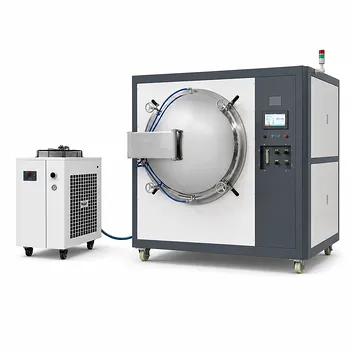
Vacuum Heat Treat Furnace with Ceramic Fiber Liner
Vacuum furnace with polycrystalline ceramic fiber insulation liner for excellent heat insulation and uniform temperature field. Choose from 1200℃ or 1700℃ max. working temperature with high vacuum performance and precise temperature control.

Vacuum Arc Induction Melting Furnace
Discover the power of Vacuum Arc Furnace for melting active & refractory metals. High-speed, remarkable degassing effect, and free of contamination. Learn more now!

Vertical High Temperature Graphite Vacuum Graphitization Furnace
Vertical high temperature graphitization furnace for carbonization and graphitization of carbon materials up to 3100℃.Suitable for shaped graphitization of carbon fiber filaments and other materials sintered in a carbon environment.Applications in metallurgy, electronics, and aerospace for producing high-quality graphite products like electrodes and crucibles.

Lab-Scale Vacuum Induction Melting Furnace
Get precise alloy composition with our Vacuum Induction Melting Furnace. Ideal for aerospace, nuclear energy, and electronic industries. Order now for effective smelting and casting of metals and alloys.

Large Vertical Graphite Vacuum Graphitization Furnace
A large vertical high-temperature graphitization furnace is a type of industrial furnace used for the graphitization of carbon materials, such as carbon fiber and carbon black. It is a high-temperature furnace that can reach temperatures of up to 3100°C.
Related Articles

Exploring Spark Plasma Sintering Furnace (SPS): Technology, Applications, and Advantages
Dive into the comprehensive guide on Spark Plasma Sintering Furnace (SPS), covering its technology, applications in materials science, and significant advantages over traditional sintering methods.
Comprehensive Guide to Spark Plasma Sintering Furnaces: Applications, Features, and Benefits
Explore the advanced features and applications of Spark Plasma Sintering Furnaces (SPS) in material science. Learn how SPS technology offers rapid, efficient, and versatile sintering for various materials.
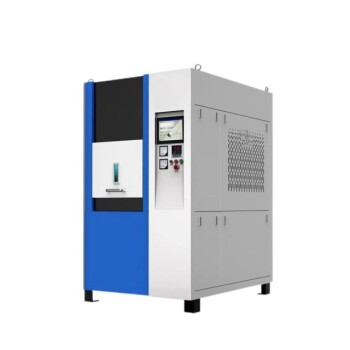
Spark Plasma Sintering Furnace: The Ultimate Guide to SPS Furnaces
Discover the world of Spark Plasma Sintering Furnaces (SPS). This comprehensive guide covers everything from its advantages and applications to its process and equipment. Learn how SPS furnaces can revolutionize your sintering operations.

Exploring the Advanced Capabilities of Spark Plasma Sintering (SPS) Furnaces
Dive into the world of Spark Plasma Sintering (SPS) furnaces, their innovative technology, and applications in material science. Learn how SPS furnaces revolutionize the sintering process with high-speed, efficiency, and precision.
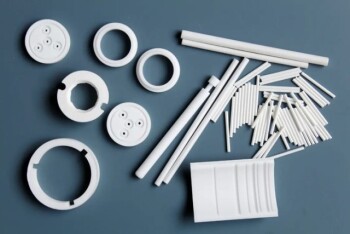
Precision Ceramics: Types, Working Principles, and Performance Characteristics of Various Sintering Furnaces
An in-depth look at different types of sintering furnaces and their principles, advantages, and disadvantages.
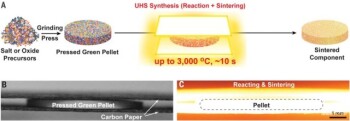
Impact of Sintering Furnaces on Ceramic Manufacturing
Explores the role of sintering furnaces in ceramic production, focusing on their applications, heating methods, and effects on ceramic properties.
New Rapid Sintering Technologies for Advanced Ceramics
Explores advanced ceramic materials, their properties, and various rapid sintering techniques to enhance their performance.

Types of Bias Power Supplies in Magnetron Sputtering and Their Purposes
Overview of bias power supply types in magnetron sputtering and their roles in improving film adhesion and density.
Understanding the Vacuum Sintering Furnace: Components and Functions
An in-depth look at the key components of a vacuum sintering furnace and their roles in material sintering.
Vacuum Sintering Furnace Failure Causes and Treatments
This article discusses various issues and solutions related to vacuum sintering furnace failures.
Emergency Measures for Vacuum Sintering Furnace
Guidelines on handling power outages, heating power loss, and gas stoppage in vacuum sintering furnaces.
Choosing the Right Vacuum Sintering Furnace
Learn about the advantages, types, and selection criteria for vacuum sintering furnaces.