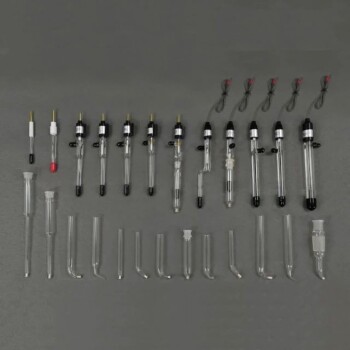
To maintain the functional and structural integrity of a glass reference electrode, you must prioritize chemical renewal over physical force. Routine maintenance requires periodically replacing the internal electrolyte solution to ensure potential stability, while cleaning the external glass shell exclusively with dilute acid or alkaline solutions. Strictly avoid using sandpaper or abrasive grinding, as mechanical damage to the glass surface will permanently impair the sensor's sensitivity and diffusion performance.
Maintenance is a balance of internal freshness and external gentleness. Ensure stability by fully replacing the electrolyte every two weeks, and preserve integrity by never subjecting the glass or liquid junction to abrasive materials.
Preserving Functional Stability
Managing the Electrolyte Solution
The core function of the electrode relies on the stability of its internal potential. To maintain this, you must periodically replace the internal electrolyte with fresh solution. This prevents contamination and concentration drift that can skew your readings.
Routine Replenishment Schedules
Do not wait for the electrode to fail before acting. Whenever the filling solution level becomes too low, replenish it immediately with the corresponding solution. For consistent results, it is recommended to completely replace the filling solution every two weeks.
Protecting Structural Integrity
Proper Cleaning Methods
Surface deposits on the external glass shell are common and can interfere with measurements. To remove these, use only dilute acid or alkaline solutions. Chemical cleaning effectively dissolves deposits without physically altering the glass structure.
The Importance of the Liquid Junction
The glass surface is not merely a container; it supports the liquid junction which controls diffusion. Protecting the glass from mechanical damage is essential. If the surface is compromised, the diffusion performance of the liquid junction is disrupted, leading to erratic data.
Critical Pitfalls to Avoid
The Prohibition of Abrasives
It is strictly prohibited to use sandpaper, grinding tools, or abrasive pads on the electrode. While these might seem effective for removing heavy buildup, they cause irreversible damage.
Consequences of Mechanical Damage
Abrasive cleaning creates micro-scratches and alters the geometry of the sensor area. This mechanical damage directly impairs the sensitivity of the sensor. Once the physical structure of the glass or junction is damaged by abrasion, the electrode often cannot be recovered.
Best Practices for Long-Term Reliability
To ensure your reference electrode remains accurate and durable, align your maintenance routine with your specific goals:
- If your primary focus is potential stability: Establish a strict schedule to top off low fluids immediately and perform a full electrolyte replacement every two weeks.
- If your primary focus is structural longevity: Rely exclusively on chemical cleaning methods and ensure the glass surface never comes into contact with abrasive materials.
By respecting the delicate nature of the glass and the chemistry of the junction, you ensure the electrode remains a precision instrument.
Summary Table:
| Maintenance Aspect | Action Required | Frequency / Constraint |
|---|---|---|
| Electrolyte Solution | Full replacement of internal solution | Every two weeks |
| Fluid Levels | Top off with corresponding solution | Whenever low |
| Surface Cleaning | Use dilute acid or alkaline solutions | As needed for deposits |
| Physical Handling | Avoid sandpaper and abrasive grinding | Strictly prohibited |
| Key Goal | Preserve liquid junction & sensitivity | Avoid mechanical damage |
Maximize Your Analytical Precision with KINTEK
Maintaining delicate laboratory sensors requires precision tools and high-quality consumables. At KINTEK, we specialize in providing researchers and industrial professionals with the reliable equipment needed to ensure long-term stability in the lab. Whether you are conducting electrochemical studies or high-pressure research, our extensive portfolio—including advanced electrolytic cells, precision electrodes, and high-temperature high-pressure reactors—is designed to meet the most rigorous standards.
From laboratory-grade glassware and ceramics to specialized battery research tools and cooling solutions, KINTEK is your partner in scientific excellence. Don't let maintenance issues compromise your data integrity.
Contact KINTEK today to explore our full range of laboratory solutions and consumables!
References
- Arthur J. Shih, Marc T. M. Koper. Water electrolysis. DOI: 10.1038/s43586-022-00164-0
This article is also based on technical information from Kintek Solution Knowledge Base .
Related Products
- Reference Electrode Calomel Silver Chloride Mercury Sulfate for Laboratory Use
- Glassy Carbon Electrochemical Electrode
- Glassy Carbon Sheet RVC for Electrochemical Experiments
- Copper Sulfate Reference Electrode for Laboratory Use
- Graphite Disc Rod and Sheet Electrode Electrochemical Graphite Electrode
People Also Ask
- What is the function of a reference electrode? Master Precision in Three-Electrode Reactor Reconstruction
- What is the recommended maintenance for the filling solution of a reference electrode? A Guide to Stable & Accurate Readings
- Which electrode is used as a ground reference? Master the Key to Accurate Electrochemical Measurements
- What is the reference electrode in potentiometry? The Key to Stable & Accurate Measurements
- Which electrode is used as a reference? A Guide to Accurate Electrochemical Measurements