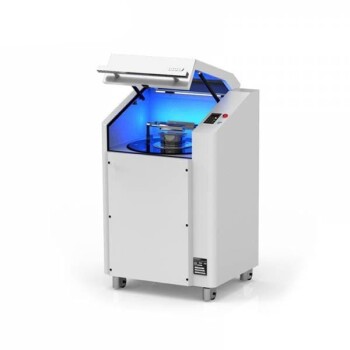
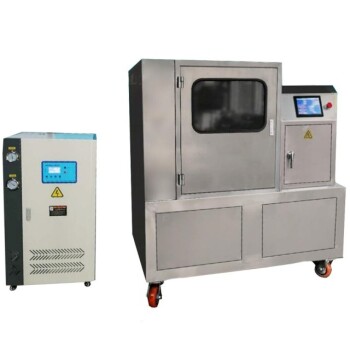
The primary mechanism by which crushing and grinding systems improve gas production is the mechanical destruction of the microalgae's protective cell walls. By pulverizing the biomass, these systems reduce the particle size and crystallinity of the material, granting enzymes and microorganisms direct access to the energy-rich internal components previously locked away.
Mechanical size reduction addresses the fundamental bottleneck of bioenergy production: accessibility. By fracturing the rigid physical structure of microalgae, you transform a resistant raw material into a highly reactive feedstock, directly leading to faster degradation and higher biogas yields.
Overcoming Structural Resistance
Breaking the Cell Wall Barrier
Microalgae are protected by robust cell walls that naturally resist degradation. Crushing systems apply mechanical force to break these structural constraints, physically rupturing the cell envelope.
Reducing Lignocellulose Crystallinity
Beyond simple breakage, grinding alters the microscopic structure of the biomass. This process reduces the crystallinity of lignocellulose, a rigid component that typically hinders breakdown.
Making the structure less crystalline renders the biomass more amorphous and susceptible to biological attack.
Amplifying Biological Availability
Increasing Effective Surface Area
The efficiency of gas production relies heavily on contact area. Grinding reduces the biomass into smaller particles, exponentially increasing the effective surface area available for reaction.
This expanded surface area allows for more simultaneous interactions between the biomass and the digestive enzymes or microorganisms.
Releasing Internal Energy Sources
Once the cell integrity is compromised, internal resources are exposed. Lipids and carbohydrates—the primary fuels for gas production—become easily accessible to the fermentation process.
This leads to a more complete degradation of the organic matter, preventing valuable fuel from passing through the system unused.
Understanding the Trade-offs
Energy Balance Considerations
While crushing increases gas yield, it requires significant mechanical energy input. You must ensure the net energy gain from the increased biogas production outweighs the electricity consumed by the grinding equipment.
Risk of Over-Processing
Extreme grinding can sometimes create particles so fine that they cause clogging or rheological issues in the reactor. It is vital to find the "sweet spot" in particle size that maximizes surface area without compromising the physical flow of the system.
Making the Right Choice for Your Goal
To maximize the efficiency of your microalgae pretreatment, align your mechanical processing with your specific outcomes:
- If your primary focus is Maximum Biogas Yield: Prioritize high-intensity grinding to ensure the complete rupture of tough cell walls and the release of all internal lipids.
- If your primary focus is Process Speed: Focus on achieving a consistent, moderate particle size to rapidly increase surface area for immediate enzymatic attack.
Mechanical pretreatment transforms microalgae from a passive biomass into a readily available fuel source, unlocking the full energy potential of the substrate.
Summary Table:
| Mechanism | Impact on Biomass | Benefit to Gas Production |
|---|---|---|
| Cell Wall Rupture | Mechanical destruction of rigid envelopes | Direct access to internal lipids and carbohydrates |
| Size Reduction | Significant increase in effective surface area | Faster enzymatic degradation and microbial attack |
| Crystallinity Reduction | Transformation into an amorphous structure | Easier breakdown of resistant lignocellulose components |
| Particle Optimization | Uniform feedstock consistency | Improved reactor flow and higher net energy recovery |
Unlock the Full Potential of Your Bioenergy Research with KINTEK
Maximize your microalgae biogas yields by integrating high-performance mechanical pretreatment into your workflow. KINTEK specializes in precision crushing and milling systems, sieving equipment, and hydraulic presses designed to transform resistant biomass into reactive feedstock.
Whether you are scaling up renewable energy production or conducting fundamental lab research, our comprehensive range of laboratory equipment—from high-temperature furnaces and reactors to advanced cooling solutions and consumables—ensures your processes are efficient and reproducible.
Ready to optimize your biomass processing? Contact our experts today to find the perfect equipment solution for your lab’s specific needs.
References
- Indrajeet Singh, Faizal Bux. Towards Sustainable Energy: Harnessing Microalgae Biofuels for a Greener Future. DOI: 10.3390/su151814029
This article is also based on technical information from Kintek Solution Knowledge Base .
Related Products
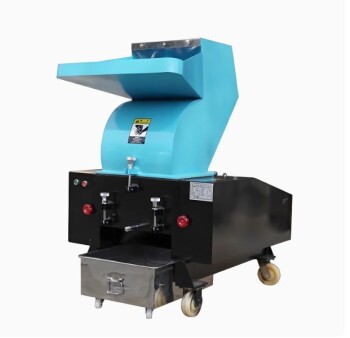
- Powerful Plastic Crusher Machine
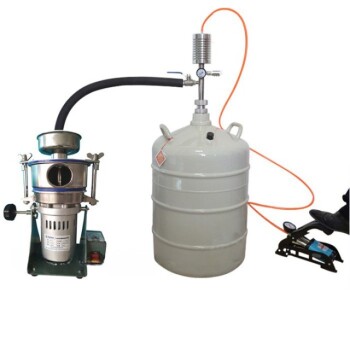
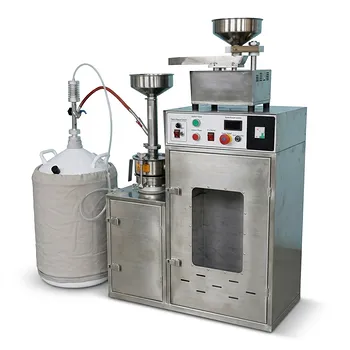
- Small Cryogenic Grinder Cryomill Cryogrinder with Liquid Nitrogen for Laboratory Use
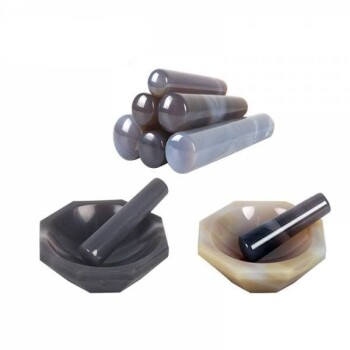
- Laboratory Jar Mill with Agate Grinding Jar and Balls
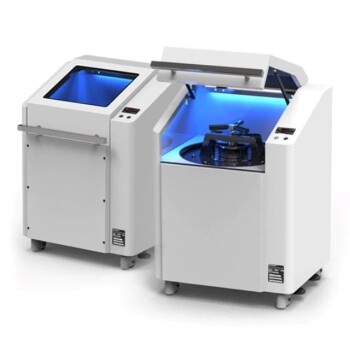
- Laboratory Disc Cup Vibratory Mill for Sample Grinding
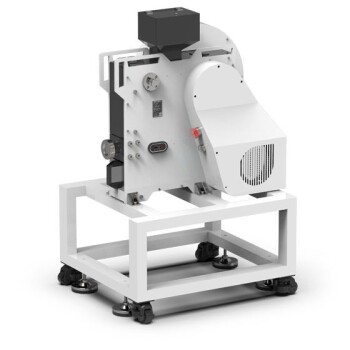
- Vibrating Disc Mill Small Laboratory Grinding Machine
People Also Ask
- What is the primary purpose of using an industrial-grade grinder for flax straw? Optimize Biomass Pretreatment Now
- What is the primary function of a crushing system? Optimize Rice Husk Fractionation with Precise Size Reduction
- What is the primary function of industrial crushers in battery dismantling? Optimize Your Recovery Feedstock
- What are the contaminants in plastic pyrolysis oil? Manage Impurities for Commercial Success
- Why is it necessary to use an ultrasonic cell disruptor before yeast flow cytometry? Ensure Data Accuracy