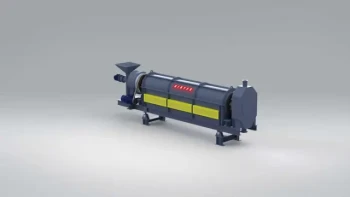
Gas nozzles serve as the critical interface for energy recovery within activation furnaces. They function by redirecting combustible byproduct gases—specifically carbon monoxide (CO) and methane (CH4) generated during carbonization—back into the combustion zone. By injecting these gases as fuel, the nozzles facilitate a self-sustaining thermal loop that reduces the need for external power sources.
The core advantage of this system is thermal autonomy. By precisely metering volatile byproducts through gas nozzles, operators can maintain the required 800°C activation temperature using the process's own waste, simultaneously cutting fuel costs and reducing the facility's carbon footprint.
The Mechanics of Thermal Recycling
Harnessing Volatile Byproducts
During the production of activated carbon, the carbonization process releases significant amounts of volatile gases.
Rather than venting these gases as waste, the system captures them. The gas nozzles are engineered to introduce these specific byproducts, such as CO and CH4, directly into the furnace's combustion chamber.
Achieving Auto-Thermal Operation
The primary function of the nozzle is not just disposal, but fuel delivery.
By burning these high-energy gases, the furnace generates the intense heat required for activation. This allows the system to reach and sustain the critical 800°C threshold needed to develop the carbon's pore structure.
Precision Volume Control
The efficiency of this recycling depends entirely on the control mechanisms of the nozzles.
Operators must regulate the volume of gas injected to ensure a stable temperature profile. Too much gas can overheat the material, while too little requires supplementing with expensive external fuels.
Economic and Environmental Impact
Drastic Reduction in Fuel Consumption
The immediate benefit of using gas nozzles for recycling is a drop in operational costs.
Because the furnace utilizes the energy content of the waste gas, the reliance on external fuels (such as natural gas or electricity) is significantly lowered. This makes the production process more economically viable.
Lowering Environmental Emissions
Direct combustion of byproduct gases serves a dual purpose: heating and abatement.
By incinerating CO and CH4 within the furnace, the system prevents the release of these potent greenhouse gases into the atmosphere. This aligns production with stricter environmental regulations regarding emissions.
Understanding the Trade-offs
The Challenge of Process Stability
While energy recycling is efficient, it introduces complexity to thermal management.
Relying on waste gas means the fuel source can fluctuate based on the feedstock consistency. If the carbonization rate varies, the supply of combustible gas to the nozzles changes, potentially causing temperature spikes or drops.
Maintenance and Clogging Risks
Gas nozzles operating in this environment are exposed to particulates and tars.
Without rigorous maintenance, these nozzles can foul or clog, leading to uneven heating. This can compromise the specific surface area and quality of the final activated carbon product.
Making the Right Choice for Your Goals
To optimize your activation furnace operations, consider how you manage these gas streams based on your primary objectives:
- If your primary focus is Operational Cost: Prioritize advanced nozzle control systems that maximize the burn rate of byproduct gases to minimize external fuel purchases.
- If your primary focus is Product Consistency: Implement automated feedback loops that adjust external fuel injection immediately if the byproduct gas volume fluctuates, ensuring the temperature never deviates from 800°C.
Effective use of gas nozzles turns a waste stream into your most valuable thermal asset.
Summary Table:
| Feature | Function in Energy Recycling | Benefit to Production |
|---|---|---|
| Byproduct Injection | Redirects CO and CH4 into the combustion zone | Creates a self-sustaining thermal loop |
| Auto-Thermal Heat | Sustains 800°C activation temperature | Eliminates need for external fuel sources |
| Precision Control | Regulates gas volume and flow rates | Ensures stable temperature and pore development |
| Emission Abatement | Incinerates greenhouse gases during heating | Reduces environmental footprint and compliance costs |
Optimize Your Activation Process with KINTEK Precision Solutions
Maximize your operational efficiency and achieve superior thermal autonomy with KINTEK’s advanced laboratory and industrial heating systems. As specialists in high-performance equipment, we provide the expertise needed to manage complex thermal cycles in activated carbon production.
Whether you require high-temperature muffle, tube, or rotary furnaces, or specialized crushing and milling systems to prepare your feedstock, KINTEK offers the comprehensive tools necessary to enhance your research and production outcomes. From high-pressure reactors to precision consumables like ceramics and crucibles, our solutions are designed for durability and performance.
Ready to reduce your fuel consumption and improve product consistency? Contact our technical experts today to discover how KINTEK can empower your laboratory or production facility with cutting-edge equipment tailored to your specific needs.
References
- Shuo Shao, Simiao Wang. An activated carbon preparation device using traditional Chinese medicine waste residue as raw material. DOI: 10.25236/ijfet.2023.051115
This article is also based on technical information from Kintek Solution Knowledge Base .
Related Products
- Electric Rotary Kiln Small Rotary Furnace for Activated Carbon Regeneration
- Graphite Vacuum Furnace High Thermal Conductivity Film Graphitization Furnace
- High Temperature Muffle Oven Furnace for Laboratory Debinding and Pre Sintering
- 600T Vacuum Induction Hot Press Furnace for Heat Treat and Sintering
- Vacuum Heat Treat and Pressure Sintering Furnace for High Temperature Applications
People Also Ask
- What is a rotary kiln electric furnace? Achieve Superior Uniform Heating for Your Materials
- What is the temperature of activated carbon regeneration? Unlock the 1000°F Process for Reuse
- What is the regeneration temperature of activated carbon? Optimize Your Process with the Right Method
- What are the characteristics of the slipping, slumping, and rolling modes of bed motion? Optimize Your Rotary Process
- What are the parts of a carbon regeneration kiln? A Guide to Its Core Components and Function