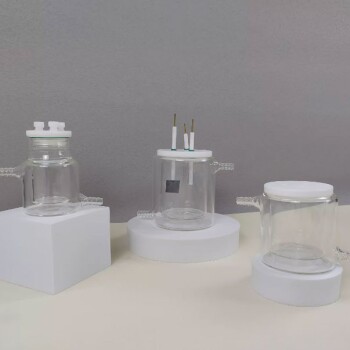
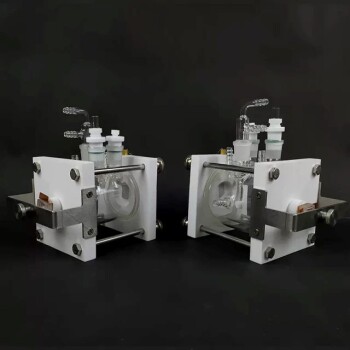
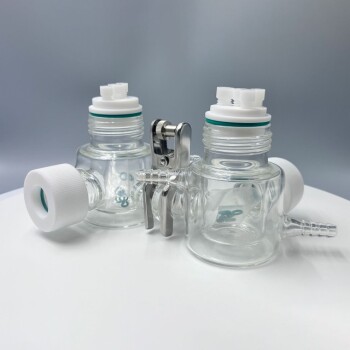
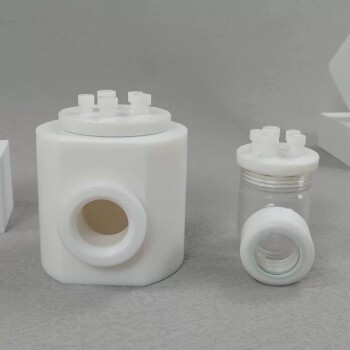
The electrode reaction contributes to purification by leveraging the wastewater's inherent high conductivity to drive direct oxidation-reduction processes. This mechanism breaks down organic matter at the anode and cathode to reduce Chemical Oxygen Demand (COD), while simultaneously generating chlorine-based disinfectants if chloride ions are present.
High-salt organic wastewater transforms from a difficult waste stream into a conductive electrolyte solution. This allows the system to treat pollutants through direct electron transfer and in-situ chemical generation, achieving preliminary purification without extensive external additives.
Mechanisms of Purification
Direct Oxidation-Reduction
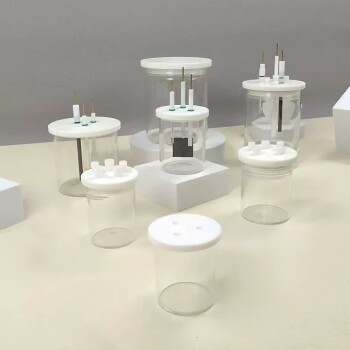
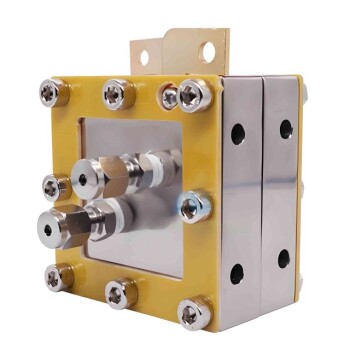
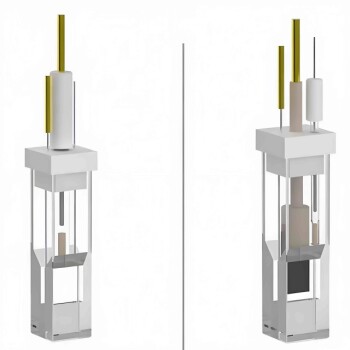
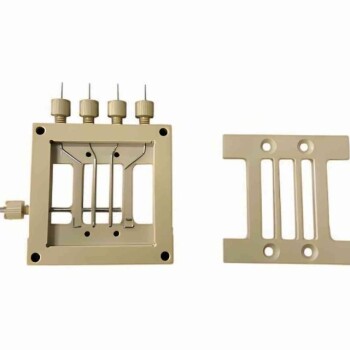
The core function of the electrolytic unit relies on direct contact between the wastewater and the electrodes.
Because high-salt wastewater possesses high electrical conductivity, it effectively closes the circuit between the anode and the cathode.
This facilitates immediate oxidation-reduction reactions of the organic matter found in the solution.
Reduction of Chemical Oxygen Demand (COD)
The primary metric affected by this reaction is Chemical Oxygen Demand (COD).
The process is particularly noted for its effectiveness in treating fatty acid wastewater.
By oxidizing these organic compounds directly at the electrode surface, the system lowers the total oxygen required to break down the remaining pollutants.
The Disinfection Effect
Beyond direct oxidation, the electrode reaction creates a secondary purification mechanism if the salt content includes chloride ions.
Under these conditions, the anode generates chlorine gas and its derivatives.
These byproducts act as powerful agents for disinfection and bleaching, adding a chemical treatment layer on top of the electrochemical breakdown.
Understanding the Process Scope
Preliminary vs. Final Treatment
It is critical to recognize that this process is described as achieving preliminary purification.
While effective at reducing COD and disinfecting, it may not be a standalone solution for meeting strict final discharge standards.
It acts best as a robust initial stage to degrade heavy organic loads before further processing.
Dependency on Chemical Composition
The secondary benefits of the system rely heavily on the specific makeup of the wastewater.
The disinfection and bleaching functions are conditional; they only occur if chloride ions are naturally present in the waste stream.
Without specific salts, the system relies solely on direct oxidation, potentially reducing its overall purification efficiency.
Making the Right Choice for Your Goal
To determine if electrolytic treatment is the correct approach for your specific wastewater stream, consider the following:
- If your primary focus is reducing organic load: Rely on the high conductivity of the fluid to drive the direct oxidation-reduction of fatty acids and lower COD.
- If your primary focus is pathogen control or bleaching: Verify that your wastewater contains sufficient chloride ions to trigger the anodic generation of chlorine gas and its derivatives.
This technology effectively leverages the physical properties of high-salt waste to drive chemical purification.
Summary Table:
| Feature | Mechanism | Primary Benefit |
|---|---|---|
| Direct Oxidation | Electron transfer at electrode surface | Direct breakdown of organic matter & fatty acids |
| COD Reduction | Oxidation of organic compounds | Lowers Chemical Oxygen Demand for further treatment |
| Disinfection | Anodic generation of Chlorine (Cl₂) | Pathogen control and bleaching of wastewater |
| Conductivity | High-salt content as electrolyte | High efficiency without heavy external additives |
Maximize Your Purification Efficiency with KINTEK
Are you dealing with challenging high-salt organic wastewater? KINTEK specializes in high-performance laboratory equipment, including advanced electrolytic cells and electrodes designed for precise electrochemical research and industrial wastewater treatment.
Our comprehensive range—from high-temperature furnaces and hydraulic presses to specialized electrolytic tools and consumables—empowers researchers and environmental engineers to achieve superior results in COD reduction and pathogen control.
Transform your waste management process today. Contact our technical experts to discover how our tailored solutions can optimize your laboratory or treatment facility's efficiency.
References
- Qinfang Lu, Jiancheng Liu. Analysis of Key Technologies for Industrialized Treatment of Fatty Acid High-Salinity Organic Wastewater. DOI: 10.4491/ksee.2020.42.11.570
This article is also based on technical information from Kintek Solution Knowledge Base .
Related Products
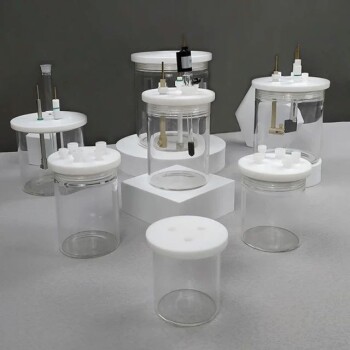
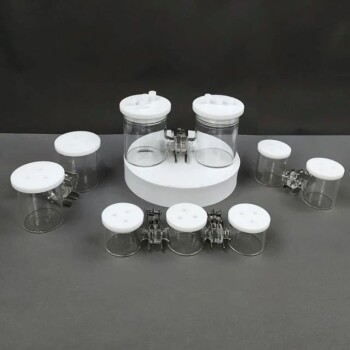
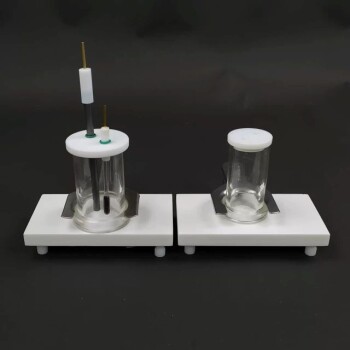
- PTFE Electrolytic Cell Electrochemical Cell Corrosion-Resistant Sealed and Non-Sealed
- Super Sealed Electrolytic Electrochemical Cell
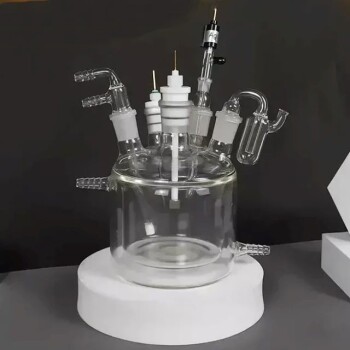
- Electrolytic Electrochemical Cell with Five-Port
- H Type Electrolytic Cell Triple Electrochemical Cell
- Electrolytic Electrochemical Cell Gas Diffusion Liquid Flow Reaction Cell
People Also Ask
- What is the necessity of selecting a PTFE electrolytic cell? Ensure Precise Graphene Corrosion Testing Accuracy
- What is the proper method for cleaning the surface of an all-PTFE electrolytic cell? Ensure Accurate Results with a Pristine Surface
- How should an all-PTFE electrolytic cell be stored after use? Expert Maintenance Tips for Long-Lasting Performance
- What is the proper cleaning method for an all-PTFE electrolytic cell? Essential Tips for Surface Integrity
- What are the standard opening specifications for all-PTFE electrolytic cells? A Guide to Sealed vs. Non-Sealed Ports