Precision temperature control is the definitive variable governing the structural integrity of zinc borate during hydrothermal synthesis. By strictly regulating thermal conditions between 150°C and 300°C, the electric heating furnace directly dictates the material’s crystallinity, water content, and particle uniformity.
The electric heating furnace functions as a structural architect, not just a heat source. It determines the chemical composition by stripping water from the crystal lattice and ensures physical consistency by minimizing particle size variations.
Thermal Energy and Chemical Composition
Regulating Water Content
The primary role of the electric heating furnace is to manage the dehydration process within the zinc borate structure.
As the furnace increases thermal energy, it promotes a gradual decrease in the material's water content. This relationship allows operators to "tune" the hydration level of the final product by adjusting the setpoint temperature.
Achieving Anhydrous States
To achieve a fully dehydrated product, the furnace must be capable of reaching the upper limits of the hydrothermal range.
According to standard processing parameters, maintaining the temperature at approximately 300°C will drive off the remaining moisture. This results in the production of anhydrous zinc borate, a distinct structural form compared to its hydrated counterparts.
Defining Crystallinity
Beyond simple dehydration, the thermal input directly determines the crystallinity of the product.
The specific temperature applied dictates how the atoms arrange themselves within the solid. Precise control ensures the formation of the desired crystal phases associated with the 150°C to 300°C processing window.
Stability and Particle Morphology
Controlling Average Particle Size
The thermal environment created by the furnace has a direct correlation to the physical dimensions of the resulting material.
The temperature setpoint influences the average particle size of the zinc borate nano-powders. Higher or lower temperatures will shift this average, changing the material's suitability for specific applications.
Ensuring Uniform Distribution
Perhaps the most critical aspect of the furnace's operation is the management of temperature fluctuations.
A stable thermal environment is required to produce a narrow particle size distribution. If the furnace allows the temperature to drift or oscillate, the resulting powder will have inconsistent particle sizes, reducing the overall quality of the nanomaterial.
Understanding the Trade-offs
The Cost of Fluctuation
While hitting a target temperature is important, maintaining stability is often the harder engineering challenge.
If the electric furnace lacks precision control, even small fluctuations will widen the particle size distribution. This lack of uniformity can lead to inconsistent performance in the final application, such as uneven dispersion in polymers.
Energy vs. Structure
There is a direct energy cost associated with targeting specific microstructures.
Producing anhydrous zinc borate requires sustaining temperatures at 300°C, demanding significantly more energy than producing hydrated forms at 150°C. You must balance the need for a water-free structure against the increased operational costs of high-temperature maintenance.
Optimizing Your Hydrothermal Process
To maximize the quality of your zinc borate production, align your furnace settings with your specific material goals:
- If your primary focus is High Purity Anhydrous Material: Target a sustained temperature of 300°C to ensure complete removal of water content from the structure.
- If your primary focus is Uniform Nano-Powder Quality: Prioritize the stability of the furnace over raw heat to ensure a narrow and consistent particle size distribution.
- If your primary focus is Hydrated Crystal Production: operate within the lower 150°C to 200°C range to preserve specific water molecules within the crystal lattice.
Ultimately, the precision of your electric heating furnace is the single most important factor in transitioning from raw reactants to a high-performance zinc borate product.
Summary Table:
| Parameter | Temperature Range | Structural Outcome | Impact of Precision |
|---|---|---|---|
| Hydration Level | 150°C - 200°C | Hydrated Crystals | Regulates water molecules in lattice |
| Anhydrous State | ~300°C | Fully Dehydrated | Ensures complete moisture removal |
| Crystallinity | Variable | Specific Crystal Phases | Dictates atomic arrangement |
| Particle Size | Application Dependent | Nano-powder consistency | Stability ensures narrow distribution |
Elevate Your Nano-Material Synthesis with KINTEK
Precise thermal regulation is the difference between inconsistent powders and high-performance anhydrous zinc borate. KINTEK specializes in advanced laboratory solutions designed for rigorous hydrothermal and material research.
Our extensive portfolio empowers your lab with:
- High-Temperature Furnaces: Precision muffle, tube, and vacuum furnaces for perfect crystallization control.
- Hydrothermal Excellence: High-temperature high-pressure reactors and autoclaves tailored for zinc borate synthesis.
- Material Processing: Premium crushing, milling, and sieving systems to ensure particle uniformity.
- Specialized Consumables: High-purity ceramics, crucibles, and PTFE products for contamination-free results.
Don't let temperature fluctuations compromise your research. Partner with KINTEK for reliable, high-precision equipment that delivers consistent results every time.
Contact Our Technical Experts Today
References
- И. В. Козерожец, С. П. Губин. A New Approach for the Synthesis of Powder Zinc Oxide and Zinc Borates with Desired Properties. DOI: 10.3390/inorganics10110212
This article is also based on technical information from Kintek Solution Knowledge Base .
Related Products
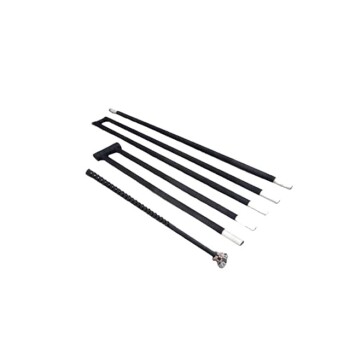
- Silicon Carbide SiC Thermal Heating Elements for Electric Furnace
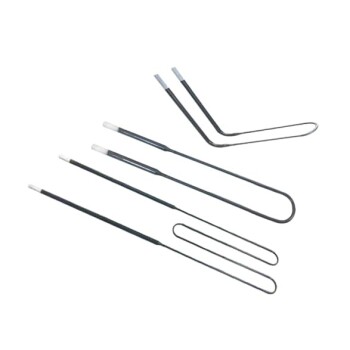
- Molybdenum Disilicide (MoSi2) Thermal Elements Electric Furnace Heating Element
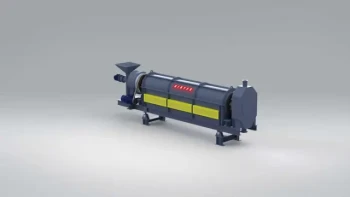
- Electric Rotary Kiln Continuous Working Small Rotary Furnace Heating Pyrolysis Plant
- Electric Rotary Kiln Pyrolysis Furnace Plant Machine Calciner Small Rotary Kiln Rotating Furnace
- Electric Rotary Kiln Small Rotary Furnace for Activated Carbon Regeneration
People Also Ask
- What is the function of the heating element in a furnace? The Engine of Your Thermal Process
- What is the best heating element for a furnace? A Guide to Selecting the Right Material for Your Temperature Needs
- What is SiC elements? The Ultimate High-Temperature Heating Solution
- How long does a heating element last on the furnace? Understand Lifespan & Safety for Your System
- What are silicon carbide heating elements used for? Reliable High-Temp Heating for Industrial Processes