Tungsten provides the essential stability required for Contact Glow Discharge Electrolysis (CGDE) when chlorine is present, a stability that steel cannot maintain. While steel electrodes degrade rapidly by reacting with chlorine to form metal chlorides, tungsten utilizes its high melting point and corrosion resistance to maintain consistent performance without contaminating the solution.
The presence of chlorine gas in CGDE creates an aggressive environment that chemically deactivates steel electrodes. Tungsten is the superior choice because its physical properties withstand both the chemical attack and the extreme thermal conditions of the discharge.
The Vulnerability of Steel
Using steel electrodes in chlorine-rich environments introduces significant chemical instability.
Formation of Metal Chlorides
In the presence of electrolytically generated chlorine gas, steel is chemically reactive. It combines with the chlorine to form metal chlorides.
Electrode Deactivation
This chemical reaction is not superficial; it fundamentally compromises the electrode. The formation of chlorides leads to electrode deactivation, effectively halting the electrolytic process.
Solution Contamination
Beyond stopping the process, the degradation of the steel introduces unwanted byproducts. This results in solution contamination, which compromises the purity of the electrolyte.
The Tungsten Advantage
Tungsten addresses the specific failure points of steel through superior physical and chemical properties.
Extreme Corrosion Resistance
Unlike steel, tungsten is highly resistant to the aggressive chemical environment of CGDE. It does not react with the chlorine gas to form destabilizing compounds, ensuring the electrode remains intact.
High Thermal Tolerance
CGDE generates intense heat through glow discharge plasma. Tungsten possesses an extremely high melting point, allowing it to withstand these temperatures without physical deformation or failure.
Consistent Electrochemical Performance
Because tungsten resists both chemical corrosion and thermal stress, it maintains stable electrochemical performance throughout the entire operation.
Understanding the Operational Risks
When selecting electrode materials for CGDE, you must weigh the immediate availability of materials against process viability.
The Risk of Process Failure
Choosing steel is not merely a matter of lower efficiency; it is a risk of total process failure. The formation of metal chlorides creates a barrier that can stop the electrolysis entirely.
Purity vs. Degradation
If your application requires a pure electrolyte, steel is a liability. The reaction products from steel degradation inevitably leach into the solution, whereas tungsten preserves chemical integrity.
Making the Right Choice for Your Goal
Selecting the correct electrode material is dictated by the chemical composition of your electrolyte.
- If your primary focus is Process Stability: Choose tungsten to prevent electrode deactivation and ensure the glow discharge remains consistent over time.
- If your primary focus is Solution Purity: Rely on tungsten to avoid the formation of metal chlorides that would otherwise contaminate your electrolyte.
Tungsten is the definitive solution for chlorine-containing CGDE systems, bridging the gap between extreme thermal requirements and chemical inertness.
Summary Table:
| Feature | Steel Electrodes | Tungsten Electrodes |
|---|---|---|
| Chlorine Resistance | Poor (Reacts to form metal chlorides) | Excellent (Chemically inert to chlorine) |
| Melting Point | Moderate (Risk of thermal failure) | Extremely High (Withstands glow discharge) |
| Process Stability | Low (Rapid deactivation) | High (Consistent performance) |
| Solution Purity | Contaminates with reaction byproducts | Maintains high purity |
| Durability | Rapid degradation | Long-lasting in aggressive environments |
Elevate Your Research with High-Performance Electrodes
Don't let electrode deactivation and solution contamination compromise your Contact Glow Discharge Electrolysis (CGDE) results. KINTEK provides the high-quality materials required for the most demanding electrochemical environments.
Our extensive portfolio is designed to meet the rigorous standards of modern laboratories, offering:
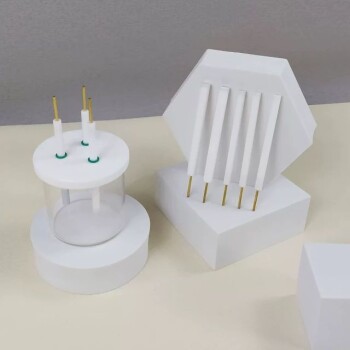
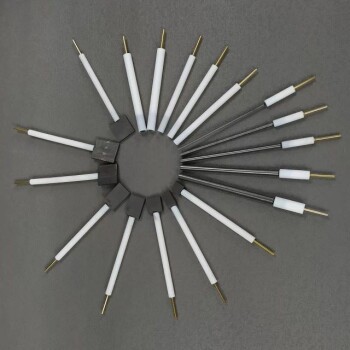
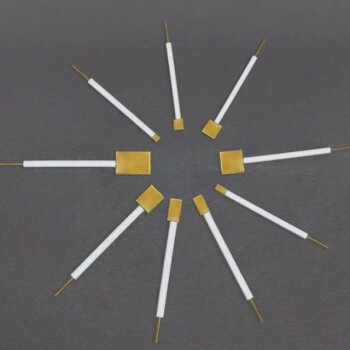
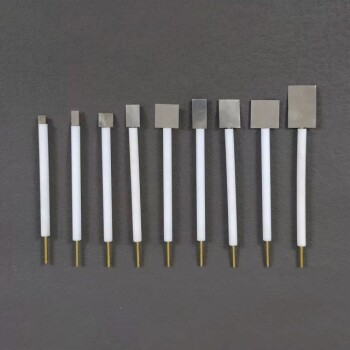
- High-Performance Electrolytic Cells and Electrodes: Including tungsten solutions for superior corrosion and thermal resistance.
- Advanced Laboratory Equipment: From high-temperature furnaces and autoclaves to precision crushing and milling systems.
- Total Research Solutions: Consumables like PTFE products, ceramics, and crucibles tailored for battery research and material science.
Ensure process stability and purity today. Contact KINTEK for a customized quote or technical consultation and let our experts help you select the perfect equipment for your specific applications.
References
- Giovanni Battista Alteri, Danilo Dini. Contact Glow Discharge Electrolysis: Effect of Electrolyte Conductivity on Discharge Voltage. DOI: 10.3390/catal10101104
This article is also based on technical information from Kintek Solution Knowledge Base .
Related Products
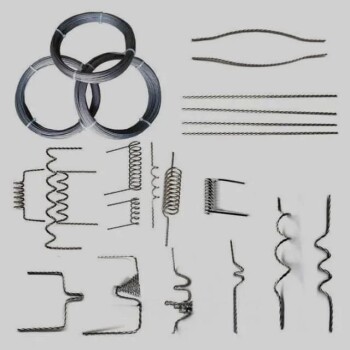
- Thermally Evaporated Tungsten Wire for High Temperature Applications
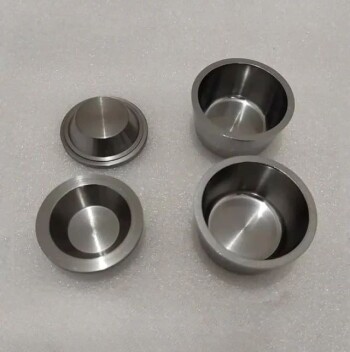
- Electron Beam Evaporation Coating Tungsten Crucible and Molybdenum Crucible for High Temperature Applications
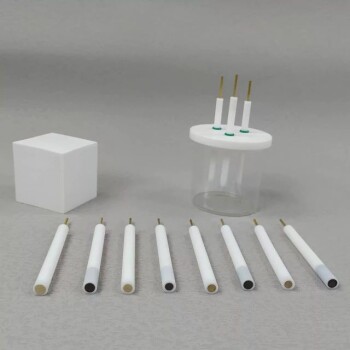
- Metal Disc Electrode Electrochemical Electrode
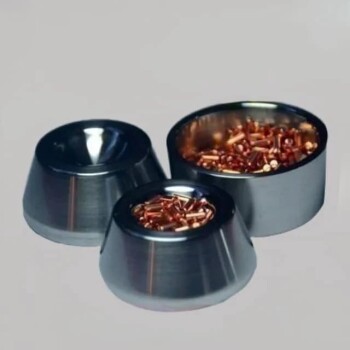
- Electron Beam Evaporation Coating Gold Plating Tungsten Molybdenum Crucible for Evaporation
- Rotating Platinum Disk Electrode for Electrochemical Applications
People Also Ask
- What are the disadvantages of tungsten filament? Key Limitations in Lighting Technology
- Does heat affect tungsten? Harnessing the Power of the Metal with the Highest Melting Point
- Is tungsten the most heat resistant material? It depends on your application's environment.
- What metal is closest to tungsten? Find the Best Alternative for Your High-Temp Needs
- Can tungsten withstand high temperature? Unlocking its full potential in extreme heat environments