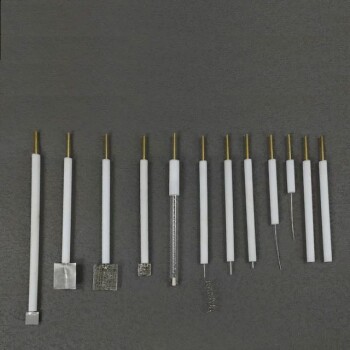
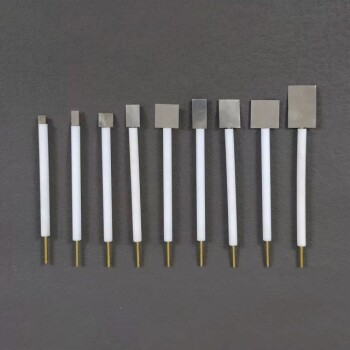
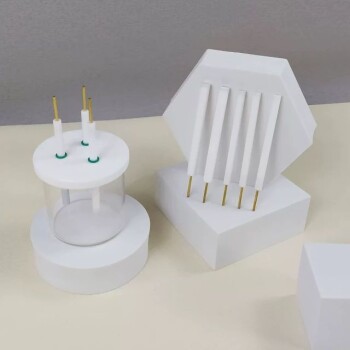
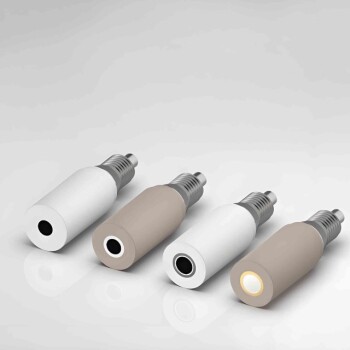
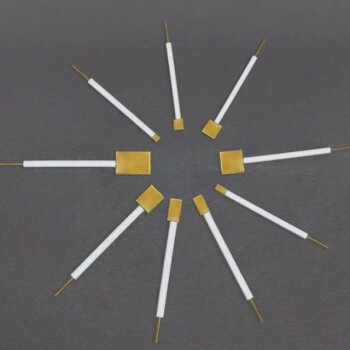
A platinum mesh offers a critical combination of high electrical conductivity and extreme chemical inertness within a geometry that maximizes surface area. This specific configuration ensures that the counter electrode facilitates charge transfer without reacting with the electrolyte or limiting the current flow, thereby preserving the accuracy of data collected from the working electrode.
Core Takeaway: The primary function of a counter electrode is to complete the circuit without introducing variables. Platinum mesh excels here because its high surface area minimizes polarization at the auxiliary interface, ensuring that all measured electrochemical changes are attributable solely to your sample (the working electrode) and not to limitations in the test setup.
The Critical Role of Material Inertness
Resistance to Anodic Dissolution
In aggressive testing environments, such as strong electrolytes (e.g., 0.6 M NaCl) or acidic copper sulfate solutions, inferior electrodes degrade. Platinum mesh remains chemically stable and does not undergo anodic dissolution.
Preventing Electrolyte Contamination
Because the platinum does not dissolve, it prevents the release of metallic ions or impurities into the solution. This is vital for maintaining the purity of the electrolyte, as foreign ions could deposit onto the working electrode and compromise the experiment.
The Geometric Advantage: Why Mesh?
Large Effective Surface Area
While platinum plates or wires are conductive, a mesh structure offers a significantly larger effective surface area relative to its physical footprint. This allows the electrode to withstand higher current loads during electrochemical polarization without becoming a bottleneck in the circuit.
Uniform Current Distribution
The geometric layout of a mesh ensures a more uniform distribution of current across the electrochemical cell. This homogeneity is essential for preventing localized hotspots or uneven reactions that could skew measurement data.
Minimizing Counter Electrode Polarization
A counter electrode with a small surface area (like a thin wire) can suffer from high current density, leading to polarization at that electrode. The large surface area of the mesh lowers the current density, ensuring the counter electrode facilitates reactions easily without generating additional electrolytic polarization.
Understanding the Trade-offs
Cost vs. Necessity
Platinum is a precious metal, making large mesh electrodes expensive compared to graphite or stainless steel alternatives. While essential for high-precision or aggressive electrolyte experiments, it represents a significant consumable cost for the laboratory.
Surface Area Nuances (Mesh vs. Platinized)
While mesh offers high surface area, it is not the absolute maximum possible. As noted in supplementary data, platinized platinum (coated in platinum black) can offer an even greater effective electrochemical active area. For experiments requiring extreme surface area to lower polarization potential further, standard mesh may be outperformed by platinized options, though mesh is generally more mechanically robust.
Making the Right Choice for Your Goal
To determine if platinum mesh is the correct counter electrode for your specific application, consider the following:
- If your primary focus is high-precision corrosion testing: Use platinum mesh to ensure no impurity ions (like Fe or Cu) are released into the electrolyte to interfere with the corrosion rate of your sample.
- If your primary focus is high-current polarization: Use platinum mesh to ensure the counter electrode has enough surface area to handle the current load without polarizing and obscuring the working electrode's signal.
- If your primary focus is budget-constrained routine testing: Evaluate if a cheaper material (like graphite) provides sufficient inertness, reserving platinum mesh for critical reference-grade measurements.
Ultimately, the platinum mesh acts as an invisible facilitator, ensuring the current flows freely so your data reflects the truth of your sample, not the limitations of your equipment.
Summary Table:
| Feature | Benefit for Electrochemical Testing |
|---|---|
| Material Inertness | Prevents anodic dissolution and electrolyte contamination. |
| High Surface Area | Minimizes polarization and allows for higher current density. |
| Geometric Mesh Design | Ensures uniform current distribution and prevents localized hotspots. |
| Electrical Conductivity | Facilitates rapid charge transfer to ensure accurate data collection. |
| Stability | Provides reliable performance in aggressive acidic or saline environments. |
Elevate Your Electrochemical Research with KINTEK
Precision starts with high-quality components. KINTEK specializes in providing premium laboratory equipment and consumables designed for the most demanding research environments. Our high-purity platinum mesh electrodes ensure your data remains untainted by providing superior inertness and optimal surface area for your three-electrode systems.
Beyond electrodes, KINTEK offers a comprehensive range of solutions for your lab:
- Electrochemical Excellence: Specialized electrolytic cells, electrodes, and battery research tools.
- Thermal Processing: High-temperature muffle, tube, and vacuum furnaces for material synthesis.
- Sample Preparation: Precision crushing, milling, and hydraulic presses for pellet and isostatic pressing.
- Lab Essentials: Durable ceramics, crucibles, and high-performance cooling solutions like ULT freezers.
Don't let equipment limitations compromise your results. Contact KINTEK today to discover how our high-performance consumables and hardware can enhance your laboratory's efficiency and accuracy!
References
- Talal A. Aljohani, Fuad Khoshnaw. Characterization of gamma-ray irradiation influence on the corrosion behaviour of austenitic stainless steel. DOI: 10.1016/j.mtcomm.2020.101242
This article is also based on technical information from Kintek Solution Knowledge Base .
Related Products
- Platinum Auxiliary Electrode for Laboratory Use
- Platinum Sheet Electrode for Laboratory and Industrial Applications
- Platinum Sheet Electrode for Battery Lab Applications
- Rotating Platinum Disk Electrode for Electrochemical Applications
- RRDE rotating disk (ring disk) electrode / compatible with PINE, Japanese ALS, Swiss Metrohm glassy carbon platinum
People Also Ask
- What is the function of a platinum electrode as an auxiliary electrode? Ensure Precise Nickel Coating Corrosion Testing
- Why is platinum typically selected as the auxiliary electrode for electrochemical testing of oxazoline inhibitors?
- What does the auxiliary electrode do? Ensuring Accurate Electrochemical Measurements
- What are the roles of Pt counter and reference electrodes in nitrided steel testing? Optimize Your Electrochemical Data
- What are the advantages of using a platinum counter electrode? Ensure Purity in Photocatalytic Coating Deposition