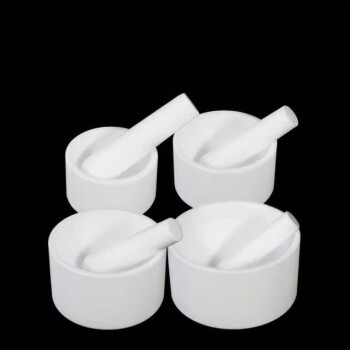
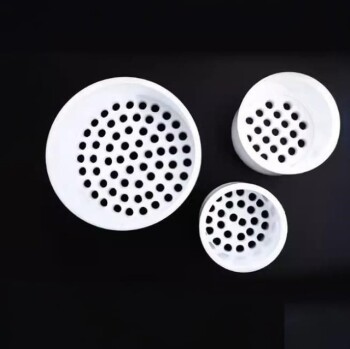
The primary advantages of using polytetrafluoroethylene (PTFE) molds for pelletizing Li7P3S11 sulfide electrolytes are their superior chemical inertness and inherent surface lubricity. Unlike metal molds, PTFE prevents the electrolyte powder from adhering to the mold walls or chemically reacting during the pressing process, ensuring the sample remains pure and intact.
Core Takeaway The choice of PTFE over metal is not merely about convenience; it is a critical measure for maintaining material performance. By eliminating the introduction of metallic impurities and ensuring complete, non-destructive demolding, PTFE molds preserve the electrochemical integrity of sensitive sulfide electrolytes.
Preserving Chemical Purity
Eliminating Metallic Contamination
The most significant risk when using metal molds is the introduction of metallic impurities into the electrolyte sample.
Sulfide electrolytes like Li7P3S11 are highly sensitive. When pressed against metal surfaces, microscopic particles can abrade and contaminate the pellet.
PTFE eliminates this vector of contamination. By providing a non-metallic interface, it ensures that the resulting pellet maintains the exact chemical composition required for optimal performance.
Preventing Surface Reactions
Li7P3S11 is chemically reactive and can interact with standard mold materials under pressure.
Chemical inertness is a defining property of PTFE. It acts as a neutral barrier, preventing the electrolyte powder from reacting with the mold walls.
This ensures that the surface of the pellet—often the most critical area for interface contact in a battery—remains chemically stable and undegraded.
Enhancing Fabrication Mechanics
Superior Surface Lubricity
PTFE is renowned for its low coefficient of friction, often described as surface lubricity.
In the context of pelletizing, this prevents the electrolyte powder from sticking to the mold. Friction at the mold wall is significantly reduced compared to metal counterparts.
Ensuring Complete Demolding
The physical integrity of a pressed pellet is often compromised during the ejection (demolding) phase.
Because the powder does not adhere to PTFE, the sample can be removed completely and cleanly.
This reduces the rejection rate of pressed pellets and prevents the formation of surface defects or cracks caused by mechanical drag against the mold walls.
Understanding the Trade-offs
Mechanical Strength Limitations
While the primary reference highlights the chemical benefits, it is important to acknowledge the mechanical differences between PTFE and metal.
PTFE is significantly softer than steel. While it excels at preventing contamination, it may deform under the extremely high pressures sometimes required for achieving maximum theoretical density in ceramic processing.
When using PTFE, the focus is prioritized on purity and surface quality rather than maximizing mechanical compaction pressure to the limits that tool steel can withstand.
Making the Right Choice for Your Goal
To determine if PTFE molds are the correct tooling for your specific fabrication process, consider your primary constraints:
- If your primary focus is Electrochemical Purity: Choose PTFE to eliminate metallic impurities that degrade solid-state electrolyte performance.
- If your primary focus is Sample Integrity: Choose PTFE to utilize its lubricity for easy, defect-free demolding of brittle sulfide powders.
PTFE provides the essential chemical safeguard required to transition Li7P3S11 from raw powder to a high-performance electrolyte pellet.
Summary Table:
| Feature | PTFE Molds | Metal Molds |
|---|---|---|
| Chemical Purity | High (No metallic contamination) | Risk of metallic impurities |
| Surface Reaction | Inert (Non-reactive) | Potential for surface interaction |
| Lubricity | High (Self-lubricating) | Low (Often requires lubricants) |
| Demolding | Clean and complete | Risk of sticking or cracking |
| Mechanical Strength | Moderate (Softer material) | Very High (Tool steel) |
| Best Application | Electrochemical research & purity | High-pressure compaction |
Elevate Your Solid-State Battery Research with KINTEK
Precision in material processing is the difference between breakthrough results and compromised data. KINTEK specializes in providing the high-quality laboratory equipment and consumables essential for advanced battery research. From PTFE products, ceramics, and crucibles specifically designed for sulfide electrolytes like Li7P3S11, to our robust hydraulic pellet presses and crushing and milling systems, we ensure your samples remain pure and intact.
Whether you need high-temperature furnaces, isostatic presses, or specialized electrolytic cells, our comprehensive portfolio is engineered to meet the rigorous demands of modern material science.
Ready to optimize your fabrication process? Contact KINTEK today to discover how our tailored solutions can enhance your laboratory's efficiency and sample integrity.
Related Products
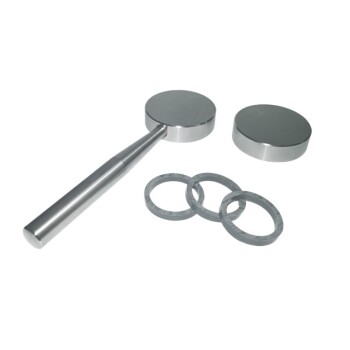
- XRF & KBR plastic ring lab Powder Pellet Pressing Mold for FTIR
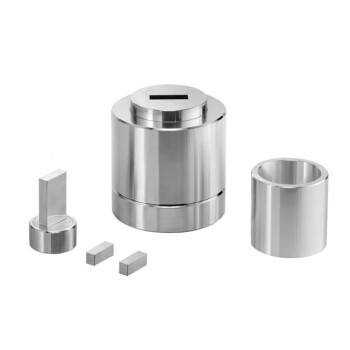
- Assemble Square Lab Press Mold for Laboratory Applications
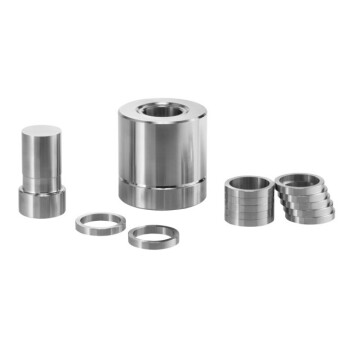
- XRF & KBR steel ring lab Powder Pellet Pressing Mold for FTIR
- XRF Boric Acid Lab Powder Pellet Pressing Mold for Laboratory Use
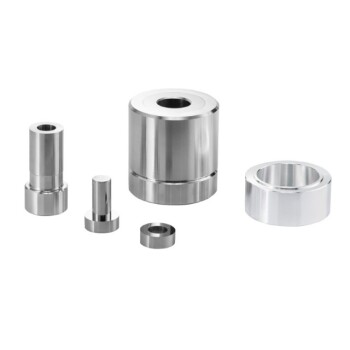
- Ring Press Mold for Lab Applications
People Also Ask
- What is the purpose of using a mold for pellet pressing when preparing catalyst test samples? Ensure Data Consistency
- How does the selection of a pressure mold affect the performance of all-solid-state batteries? Expert Pelletizing Guide
- What is the pressed powder pellet method? A Guide to Accurate FTIR Sample Preparation
- What is the XRF method of sampling? Achieve Accurate Elemental Analysis with Proper Sample Prep
- What is the XRF pressed pellet method? A Fast, Cost-Effective Sample Prep Guide