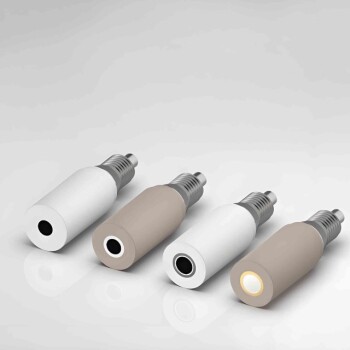
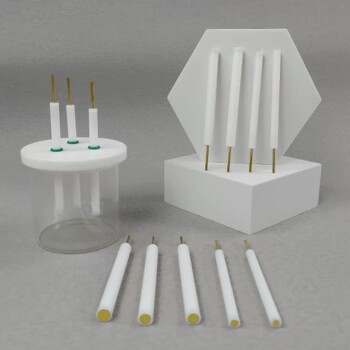
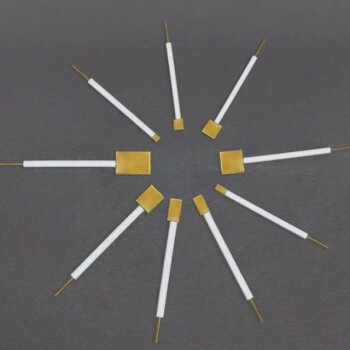
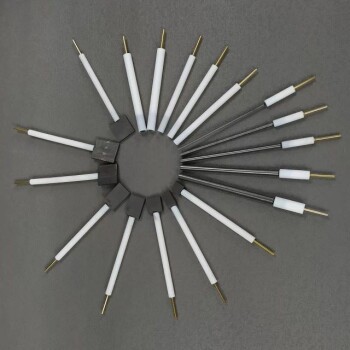
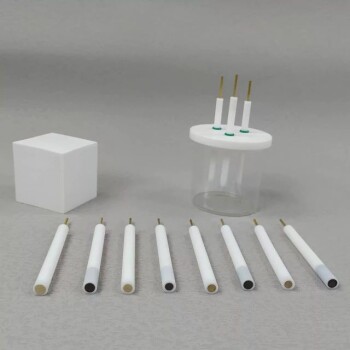
The Platinum-Titanium Functional Electrode is a critical component engineered for diverse high-performance electrochemical processes. Its primary applications include precious metal electroplating (specifically gold and silver), high-speed copper electroplating for the electronics industry, and essential environmental processes like wastewater treatment and electrodialysis. Additionally, it serves vital roles in water electrolysis for hydrogen production, chlorine manufacturing, biomedical applications, and organic synthesis.
Core Takeaway: This electrode combines the robust structural integrity of titanium with the superior catalytic properties of platinum. It is the industry standard for operations requiring high current efficiency, corrosion resistance, and precise chemical reactions, bridging the gap between heavy industrial electrolysis and delicate biomedical testing.
Industrial Electroplating Applications
Precious Metal Deposition
The electrode is extensively used for precious metal electroplating, specifically for gold (Au) and silver (Ag). Its high conductivity ensures uniform deposition of these valuable metals.
Electronics Manufacturing
In the electronics sector, the electrode facilitates high-speed copper electroplating. This is essential for manufacturing printed circuit boards (PCBs) and other electronic components where speed and precision are paramount.
Environmental and Chemical Processing
Water Management Solutions
The electrode plays a key role in wastewater treatment and electrodialysis. Its strong corrosion resistance allows it to function effectively in harsh aquatic environments to purify water or separate ions.
Electrolysis and Gas Production
It is a primary component in water electrolysis, specifically utilized for the production of hydrogen. Furthermore, it is employed in chlorine production, leveraging its high catalytic activity to facilitate efficient chemical generation.
Specialized Scientific and Medical Uses
Research and Development
Due to its reliability, it is frequently used as a standard testing electrode. It is also applicable in organic synthesis, where precise electrochemical control is required to create complex organic compounds.
Biomedical Integration
The unique properties of the platinum-titanium combination make it suitable for various biomedical purposes. This includes applications where biocompatibility and precise electrical stimulation or sensing are required.
The Technical Advantage: Why It Works
Dual-Function Performance
The electrode features a high oxygen evolution potential and a low hydrogen evolution potential. This unique electrochemical profile makes it an excellent material for use as both an anode and a cathode, depending on the specific application.
Structural Versatility
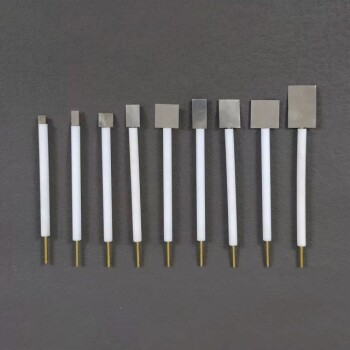
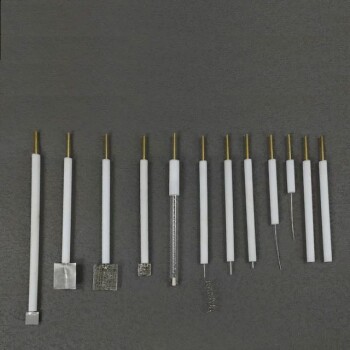
Built on a substrate of high-purity titanium, the electrode can be customized into various shapes, including plates, tubes, rods, and mesh barrels. The platinum layer (ranging from 0.3 to 10μm) possesses good ductility, ensuring excellent adhesion to the titanium base even under stress.
Understanding the Operational Limits
Current Density Constraints
While highly efficient, the electrode is designed for an applicable current of less than 20,000 A/m². Exceeding this threshold can degrade the platinum layer and compromise performance.
Coating Thickness and Durability
The lifespan of the electrode is often dictated by the platinum plating thickness, which ranges from 0.3 to 10μm. Applications involving highly abrasive or corrosive electrolytes may require a thicker coating to prevent premature wear of the substrate.
Making the Right Choice for Your Goal
To select the correct Platinum-Titanium Functional Electrode configuration, consider your specific project requirements:
- If your primary focus is Electroplating (Au, Ag, Cu): Prioritize high catalytic activity and uniform plating thickness to ensure even metal deposition on your target components.
- If your primary focus is Water Treatment or Electrolysis: Ensure the electrode shape (mesh, tube, or rod) is optimized for maximum surface area and flow through the electrolyte.
- If your primary focus is Custom R&D or Testing: Leverage the material's ductility and ability to be reverse-poled to adapt to varying experimental conditions.
By aligning the electrode's form factor and coating thickness with your specific application, you ensure maximum efficiency and longevity in your electrochemical process.
Summary Table:
| Application Category | Specific Use Cases | Key Technical Benefit |
|---|---|---|
| Electroplating | Gold (Au), Silver (Ag), High-speed Copper (Cu) | Uniform metal deposition & high conductivity |
| Environmental | Wastewater treatment & Electrodialysis | Superior corrosion resistance in harsh fluids |
| Gas Production | Water electrolysis (Hydrogen), Chlorine production | High catalytic activity & low hydrogen potential |
| Scientific/Medical | Organic synthesis & Biomedical sensors | Biocompatibility & precise electrochemical control |
| R&D | Standardized testing & Reverse-pole operations | Structural versatility (Mesh, Plate, Tube) |
Elevate your electrochemical performance with KINTEK’s precision-engineered solutions. Whether you are optimizing precious metal electroplating, advancing hydrogen production through water electrolysis, or developing cutting-edge biomedical sensors, KINTEK provides high-purity platinum-titanium electrodes tailored to your exact specifications. From specialized electrolytic cells and electrodes to high-temperature furnaces and advanced crushing systems, we support global laboratories and industrial facilities with reliable, high-performance equipment. Contact KINTEK today to discover how our expertise in materials science can streamline your research and production processes.
Related Products
- Platinum Sheet Electrode for Laboratory and Industrial Applications
- Platinum Auxiliary Electrode for Laboratory Use
- Rotating Platinum Disk Electrode for Electrochemical Applications
- Platinum Sheet Electrode for Battery Lab Applications
- RRDE rotating disk (ring disk) electrode / compatible with PINE, Japanese ALS, Swiss Metrohm glassy carbon platinum
People Also Ask
- What is a common use for a platinum sheet electrode? As a Reliable Counter Electrode in Electrochemical Cells
- What is the most critical guideline for immersing a platinum sheet electrode in an electrolyte? Ensure Accurate Electrochemical Measurements
- What is the purity of the platinum sheet in a platinum sheet electrode? The Key to Reliable Electrochemical Data
- What is the expected lifespan of a platinum sheet electrode? Maximize Your Electrode's Service Life
- What are the available specifications for platinum sheet electrodes? Find the Perfect Fit for Your Electrochemical Needs