Mechanical thin films are specialized engineered coatings designed to significantly increase the physical durability of the materials they cover. Composed of hard, wear-resistant substances, these films are applied to substrates like metals, plastics, and glass to provide a robust shield against friction, abrasion, and environmental corrosion.
Core Takeaway: Mechanical thin films act as a microscopic suit of armor, decoupling surface durability from the underlying material's structural properties. This allows components to resist extreme wear and corrosive environments without changing their bulk weight or composition.
The Core Properties of Mechanical Films
Exceptional Hardness and Wear Resistance
The primary function of a mechanical thin film is to fortify a surface against physical degradation. These films are composed of inherently hard materials that resist the damaging effects of friction.
By coating a softer substrate—such as plastic or standard metal—with these films, you protect the component from abrasion. This is critical in dynamic systems where parts are in constant contact or motion.
Superior Anticorrosive Protection
Beyond physical wear, these films provide a hermetic barrier against chemical attack. They seal the substrate material, preventing interaction with moisture, oxygen, and corrosive chemicals.
This property is particularly valuable when using reactive metals that might otherwise oxidize or rust rapidly in harsh operating environments.
Versatility Across Substrates
Mechanical thin films are not limited to a single type of base material. They can be effectively bonded to a wide range of surfaces, including metals, plastics, and glass.
This versatility allows engineers to enhance the surface properties of lightweight or transparent materials without compromising their structural integrity.
Major Industrial Applications
Aerospace and Transportation Logistics
The aerospace industry relies heavily on these films to protect critical components that face extreme stress and environmental variation.
In transportation logistics, where equipment is subjected to constant wear and tear, these coatings ensure longevity and reliability. They allow parts to withstand the rigorous demands of travel and heavy loading.
Tooling and Manufacturing
While not limited to this sector, mechanical films—specifically ceramic coatings—are widely used on cutting tools.
The high hardness and inertness of these ceramic films protect the tool from wear and oxidation. This application can extend the operational lifespan of a tool by several orders of magnitude.
Understanding the Trade-offs
Substrate Dependence
While mechanical films provide excellent surface protection, they are extremely thin layers. They rely on the underlying substrate for structural support; if the base material deforms significantly under load, the hard coating may crack or delaminate.
Application Specificity
Not all thin films serve mechanical purposes. It is crucial to distinguish these from optical or electrical films (used in LEDs or semiconductors). A film designed for optical transparency may not possess the hardness required for friction resistance.
Making the Right Choice for Your Goal
To maximize the value of mechanical thin films, align your choice with the specific threat your component faces:
- If your primary focus is extending component life in moving parts: Prioritize films with high hardness and wear resistance to counteract friction and abrasion.
- If your primary focus is survival in harsh environments: Select films known for their inertness and anticorrosive properties to prevent oxidation and chemical degradation.
Mechanical thin films offer a high-leverage solution for upgrading material performance, turning standard surfaces into high-endurance assets.
Summary Table:
| Property | Key Benefit | Typical Applications |
|---|---|---|
| Hardness | Resists abrasion and friction damage | Cutting tools, engine components |
| Corrosion Resistance | Prevents oxidation and chemical attack | Marine parts, chemical processing |
| Versatility | Compatible with metal, plastic, and glass | Consumer electronics, aerospace |
| Durability | Extends component lifespan significantly | Heavy machinery, transportation |
Elevate Your Material Performance with KINTEK
Maximize the lifespan and reliability of your components with KINTEK’s advanced laboratory solutions. Whether you are developing next-generation coatings or testing material resilience, KINTEK provides the precision tools you need. From high-temperature furnaces (vacuum, CVD, PECVD) for thin film deposition to crushing and milling systems for substrate preparation, our comprehensive portfolio supports every stage of your research.
Our expertise includes:
- Advanced Furnaces: Tube, muffle, and CVD systems for precise coating application.
- Surface Preparation: Hydraulic presses and milling equipment for material testing.
- Research Consumables: High-quality ceramics, crucibles, and PTFE products.
Don't let wear and corrosion compromise your project. Contact KINTEK today to discover how our high-performance equipment and consumables can drive your innovation forward!
Related Products
- Vacuum Hot Press Furnace Machine for Lamination and Heating
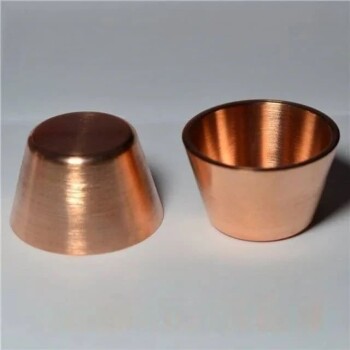
- Electron Beam Evaporation Coating Oxygen-Free Copper Crucible and Evaporation Boat
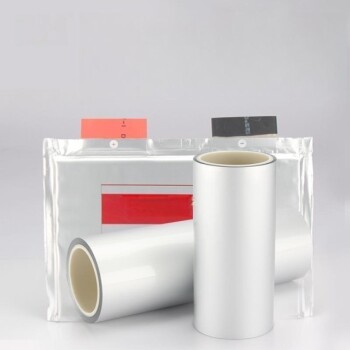
- Aluminum-Plastic Flexible Packaging Film for Lithium Battery Packaging
- Thin-Layer Spectral Electrolysis Electrochemical Cell
People Also Ask
- What advantages does a vacuum hot press furnace provide for LSLBO ceramic electrolytes? Achieve 94% Relative Density
- Why is it necessary to maintain a high-vacuum environment within a vacuum hot press furnace? Optimize Cu-SiC Sintering
- What are the advantages of using a vacuum hot press furnace for sintering CNT/Cu composites? Superior Density & Bonding
- What are the advantages of a vacuum hot press furnace for W-50%Cu? Achieve 99.6% Density at Lower Temperatures
- What role does mechanical pressure play during the vacuum diffusion bonding of tungsten and copper? Keys to Solid Bonding