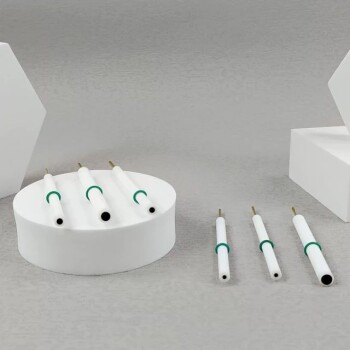
Platinum is the undisputed standard for a counter electrode in duplex stainless steel testing due to its exceptional chemical stability and high electrical conductivity. It serves a dual purpose: it withstands harsh corrosive environments, such as 3.5 wt% NaCl, without dissolving, and it completes the electrical circuit to ensure the data collected from the steel sample is accurate.
The Core Insight: The counter electrode must act as a "silent partner" in the electrochemical cell. Platinum is selected because it facilitates the necessary current flow (the loop) without participating in the chemical reaction itself, ensuring that the measured response comes exclusively from the stainless steel, not the test equipment.
The Critical Role of Chemical Inertness
Withstanding Corrosive Electrolytes
Duplex stainless steel is often tested in aggressive solutions, such as 3.5 wt% NaCl, to simulate corrosive environments.
Platinum is selected because it does not react, oxidize, or dissolve in these media. This chemical stability is essential for maintaining the integrity of the test over time.
Preventing Electrolyte Contamination
If a less stable metal were used as a counter electrode, it might dissolve during the experiment.
This dissolution would release metal ions into the electrolyte solution. Platinum prevents this metal ion contamination, ensuring the testing environment remains pure and the chemical composition of the electrolyte remains constant.
Avoiding Redox Interference
In electrochemical testing, specific reduction and oxidation (redox) reactions are induced on the working electrode (the stainless steel).
Platinum is chemically inert, meaning it does not undergo its own redox reactions or self-dissolution. This guarantees that the chemistry changing within the cell is restricted to the sample being studied, not the tool measuring it.
Electrical Conductivity and Circuit Stability
Establishing the Current Loop
The primary function of the counter electrode is to close the electrical circuit, acting as a channel for the current loop.
Platinum acts as a superior carrier for charge exchange, allowing significant currents to pass through the system. This high conductivity is vital for performing tests like polarization or Electrochemical Impedance Spectroscopy (EIS).
Ensuring Stable Current Distribution
For accurate measurements, the polarization current must be distributed evenly within the electrolytic cell.
Platinum ensures this stable distribution of polarization current. This stability is required to generate reproducible data, as it eliminates fluctuations that could arise from a resistive or unstable counter electrode.
Common Pitfalls: Why Alternatives Fail
The Risk of Signal Interference
The objective of these tests is to measure the response of the "working electrode" (the duplex stainless steel).
If the counter electrode polarizes or reacts, it generates its own electrical "noise." Platinum is chosen specifically to prevent this interference, ensuring the signal detected is the intrinsic response of the steel surface.
Compromised Accuracy
Using a reactive material as a counter electrode destroys the reliability of the experiment.
If the counter electrode participates in the reaction, the polarization response measured is a mix of the sample and the counter electrode. Platinum guarantees the accuracy and reproducibility of the potential control and current measurement.
Making the Right Choice for Your Goal
When designing an electrochemical experiment for corrosion resistant alloys:
- If your primary focus is Data Accuracy: Select platinum to eliminate signal interference and ensure the measured current reflects only the working electrode's behavior.
- If your primary focus is Environmental Stability: Use platinum to prevent dissolution in aggressive electrolytes like NaCl, preserving the purity of your testing solution.
Platinum transforms the counter electrode from a variable into a constant, providing the stability required for precision measurement.
Summary Table:
| Feature | Platinum Electrode Benefit | Impact on Electrochemical Testing |
|---|---|---|
| Chemical Stability | Resistant to corrosion in NaCl and acids | Prevents electrolyte contamination and ion release |
| Inertness | Does not participate in redox reactions | Ensures the measured signal is exclusively from the sample |
| Conductivity | High electrical charge exchange capacity | Provides a stable current loop for EIS and polarization |
| Durability | Long-lasting material integrity | Guarantees high reproducibility and data accuracy |
Elevate Your Electrochemical Research with KINTEK Precision
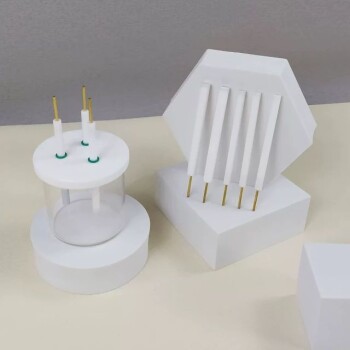
Don't let electrode interference compromise your research data. KINTEK specializes in high-performance laboratory solutions, providing the high-purity platinum electrolytic cells and electrodes essential for the accurate testing of duplex stainless steel and other corrosion-resistant alloys.
Beyond electrodes, we offer a comprehensive suite of laboratory equipment, including high-temperature furnaces, hydrothermal autoclaves, and specialized battery research tools, all designed to withstand the most demanding experimental environments.
Ready to ensure the integrity of your results? Contact our technical experts today to find the perfect electrochemical consumables and equipment for your lab.
References
- José Carlos de Lacerda, Vanessa de Freitas Cunha Lins. Pitting Corrosion Behavior of UNS S31803 and UNS S32304 Duplex Stainless Steels in 3.5 wt% NaCl Solution. DOI: 10.1590/s1517-707620200002.1022
This article is also based on technical information from Kintek Solution Knowledge Base .
Related Products
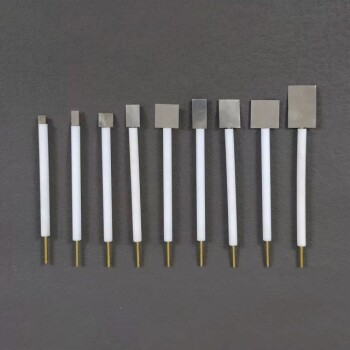
- Platinum Sheet Electrode for Laboratory and Industrial Applications
- Rotating Platinum Disk Electrode for Electrochemical Applications
- Platinum Sheet Electrode for Battery Lab Applications
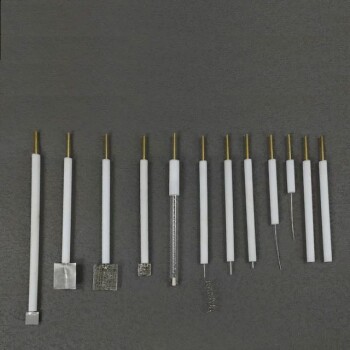
- Platinum Auxiliary Electrode for Laboratory Use
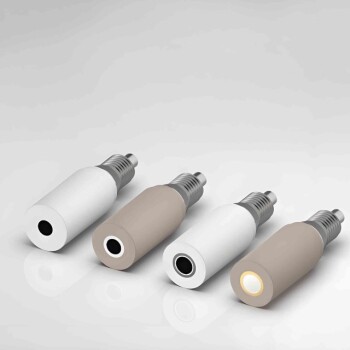
- RRDE rotating disk (ring disk) electrode / compatible with PINE, Japanese ALS, Swiss Metrohm glassy carbon platinum
People Also Ask
- What is a common use for a platinum sheet electrode? As a Reliable Counter Electrode in Electrochemical Cells
- What is the most critical guideline for immersing a platinum sheet electrode in an electrolyte? Ensure Accurate Electrochemical Measurements
- What is the purity of the platinum sheet in a platinum sheet electrode? The Key to Reliable Electrochemical Data
- What is the expected lifespan of a platinum sheet electrode? Maximize Your Electrode's Service Life
- What are the available specifications for platinum sheet electrodes? Find the Perfect Fit for Your Electrochemical Needs