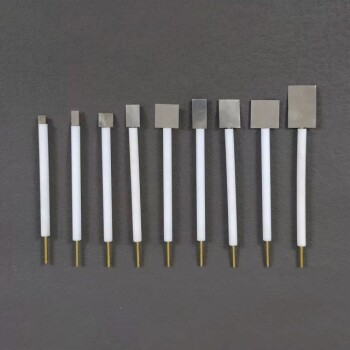
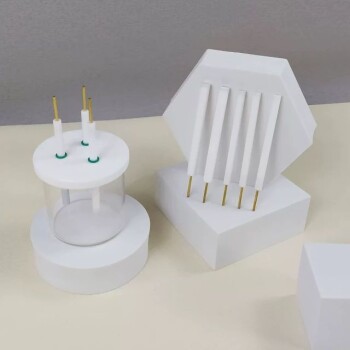
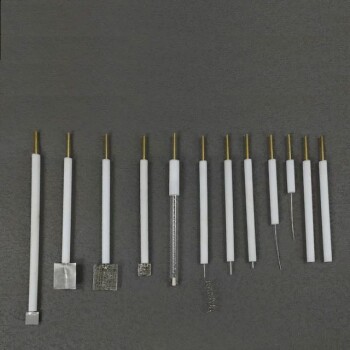
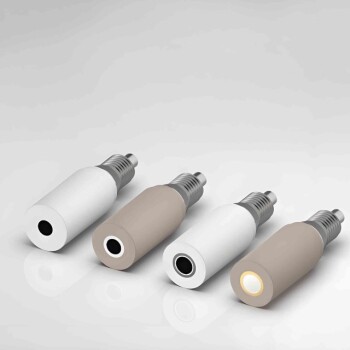
Platinum serves as the premier electrode material for magnetic field electrolysis because it combines high electrical conductivity with exceptional corrosion resistance, ensuring fundamental process stability. Crucially, its unique paramagnetic properties interact with external magnetic fields to actively enhance gas bubble movement, enabling the precise observation of hydrogen and oxygen dynamics that other materials cannot support.
Stability is the baseline requirement for electrolysis, but platinum's distinct advantage lies in its magnetic susceptibility. By acting as a paramagnetic agent, it allows magnetic forces to manipulate bubble detachment, transforming the electrode into a tool for controlling and measuring gas evolution.
Ensuring Experimental Integrity
To obtain reliable data in electrolysis, the physical setup must remain consistent over time. Platinum provides the necessary baseline for these experiments.
High Electrical Conductivity
Platinum is an excellent conductor of electricity. This ensures efficient electron transfer at the interface between the electrode and the electrolyte, minimizing energy loss during the reaction.
Superior Corrosion Resistance
The electrolytic environment is harsh and chemically aggressive. Platinum resists corrosion, preventing the electrode from degrading or contaminating the solution, which guarantees the long-term stability of the experiment.
Enhancing Gas Dynamics via Magnetism
The deep value of using platinum in this specific context involves how it behaves when a magnetic field is applied. This goes beyond simple conduction.
Paramagnetic Interaction
Platinum is paramagnetic, meaning it is weakly attracted to external magnetic fields. This physical property allows the electrode to interact distinctively with the magnetic forces present in the experiment.
Facilitating Bubble Movement
The paramagnetic nature of the electrode helps enhance the movement of gas bubbles. In a magnetic field, this interaction aids in the detachment and distribution of hydrogen and oxygen bubbles generated at the surface.
Enabling Precise Observation
By influencing how bubbles move and detach, platinum allows researchers to obtain a clearer view of the process. This creates an environment where the influence of magnetic forces on gas evolution can be observed and measured with high precision.
Understanding the Trade-offs
While platinum is technically superior for these specific variables, using it implies certain constraints regarding experimental design.
Material Specificity
The success of these magnetic observations relies heavily on the specific paramagnetic susceptibility of platinum. Substituting platinum with a non-magnetic or diamagnetic conductor would eliminate the enhanced bubble detachment effects, rendering the magnetic aspect of the experiment less effective.
Complexity of Forces
Introducing a paramagnetic electrode adds a layer of complexity to the system. Researchers must account for the interaction between the magnetic field, the paramagnetic electrode, and the gas bubbles, ensuring that observed effects are correctly attributed to the intended magnetic forces.
Making the Right Choice for Your Goal
When designing your electrolysis experiment, select your material based on the specific variable you need to isolate.
- If your primary focus is Experimental Longevity: Rely on platinum for its corrosion resistance to ensure the electrode remains stable over extended testing periods.
- If your primary focus is Magnetic Bubble Dynamics: Utilize platinum specifically for its paramagnetic properties to actively facilitate and measure gas bubble detachment under magnetic influence.
Platinum is not just a passive conductor in this setup; it is an active participant that bridges the gap between electrical efficiency and magnetic manipulation.
Summary Table:
| Feature | Technical Advantage | Impact on Magnetic Electrolysis |
|---|---|---|
| Magnetic Property | Paramagnetic Susceptibility | Actively facilitates bubble detachment and movement |
| Durability | High Corrosion Resistance | Prevents contamination and ensures long-term stability |
| Conductivity | High Electrical Conductivity | Minimizes energy loss and ensures efficient electron transfer |
| Observation | Bubble Dynamics Control | Enables precise measurement of gas evolution and dynamics |
Elevate Your Electrolysis Research with KINTEK Precision
Unlock the full potential of your magnetic field experiments with high-performance platinum electrodes and advanced lab solutions. At KINTEK, we specialize in providing researchers with the high-quality laboratory equipment and consumables necessary for precise material science and energy research.
Whether you require electrolytic cells and electrodes, high-temperature furnaces, or custom battery research tools, KINTEK delivers the durability and precision your work demands. From high-pressure reactors to specialized ceramics and crucibles, our comprehensive portfolio supports the most rigorous experimental standards.
Ready to optimize your experimental setup? Contact our experts today to find the perfect materials and equipment for your laboratory needs.
References
- Yan-Hom Li, Yen-Ju Chen. The effect of magnetic field on the dynamics of gas bubbles in water electrolysis. DOI: 10.1038/s41598-021-87947-9
This article is also based on technical information from Kintek Solution Knowledge Base .
Related Products
- Platinum Sheet Electrode for Laboratory and Industrial Applications
- Rotating Platinum Disk Electrode for Electrochemical Applications
- Platinum Sheet Electrode for Battery Lab Applications
- Platinum Auxiliary Electrode for Laboratory Use
- RRDE rotating disk (ring disk) electrode / compatible with PINE, Japanese ALS, Swiss Metrohm glassy carbon platinum
People Also Ask
- What is a common use for a platinum sheet electrode? As a Reliable Counter Electrode in Electrochemical Cells
- What is the most critical guideline for immersing a platinum sheet electrode in an electrolyte? Ensure Accurate Electrochemical Measurements
- What is the purity of the platinum sheet in a platinum sheet electrode? The Key to Reliable Electrochemical Data
- What is the expected lifespan of a platinum sheet electrode? Maximize Your Electrode's Service Life
- What are the available specifications for platinum sheet electrodes? Find the Perfect Fit for Your Electrochemical Needs