The primary technical requirements for high-temperature reaction equipment in the thermal decomposition method center on precise thermal control and rigorous safety containment. To successfully synthesize magnetic fluids, the equipment must provide a strictly constant temperature environment to ensure uniform nanoparticle grain sizes. Furthermore, due to the toxic nature of the decomposition process, the system requires high-integrity sealing, superior corrosion resistance, and a fully integrated exhaust gas treatment system.
Achieving high-quality magnetic fluids through thermal decomposition is a dual challenge of quality control and hazard management. Your equipment must maintain a stable thermal environment for particle uniformity while simultaneously isolating operators from toxic byproducts through robust sealing and exhaust systems.
Achieving Uniformity Through Thermal Precision
The Critical Role of Constant Temperature
The most significant variable in the thermal decomposition method is heat consistency. To produce magnetic nanoparticles with uniform grain sizes, the reaction equipment must maintain a precise, constant temperature environment.
Preventing Quality Deviation
Fluctuations in the thermal environment can lead to inconsistent particle growth. Equipment lacking high-precision thermal regulation will result in a polydisperse product, rendering the magnetic fluid less effective for high-performance applications.
Managing Safety and Environmental Risks
High Sealing Safety
The thermal decomposition process inherently involves toxic materials and potential environmental hazards. Therefore, standard sealing methods are often insufficient.
Containment Protocols
The equipment must feature high sealing safety mechanisms. This ensures that hazardous vapors or reactants are completely contained within the reaction vessel, protecting both the operator and the laboratory environment.
Integrated Exhaust Treatment
Containment alone is not enough; the byproducts must be managed. The equipment requires an integrated exhaust gas treatment system to safely process and neutralize toxic fumes before they are released.
Ensuring Equipment Longevity
Superior Corrosion Resistance
The chemical precursors used in this method can be aggressive. The reaction vessel and internal components must possess superior corrosion resistance to withstand the harsh chemical environment at high temperatures.
Reducing Contamination
Corrosion not only damages the equipment but can also leach impurities into your magnetic fluid. selecting materials with high chemical resistance is essential for maintaining the purity of the synthesized nanoparticles.
Understanding the Trade-offs
Complexity vs. Safety
Implementing high sealing safety and integrated exhaust treatment increases the complexity of the equipment. This often requires more sophisticated maintenance protocols and operator training compared to simpler, less safe reactor designs.
Precision vs. Cost
Equipment capable of maintaining an ultra-precise constant temperature generally commands a higher capital investment. However, cutting costs on thermal regulation systems creates a direct risk of producing unusable, inconsistent batches of nanoparticles.
Making the Right Choice for Your Goal
When selecting reaction equipment for thermal decomposition, align your choice with your specific operational priorities:
- If your primary focus is product quality: Prioritize equipment with the highest tier of thermal regulation and feedback loops to guarantee uniform grain sizes.
- If your primary focus is operational safety: Ensure the system features advanced sealing technologies and a verified, integrated exhaust treatment capability to manage toxic risks.
The ideal system does not compromise; it safeguards the researcher while stabilizing the reaction environment.
Summary Table:
| Requirement Category | Technical Specification | Impact on Outcome |
|---|---|---|
| Thermal Control | Ultra-precise Constant Temperature | Ensures uniform nanoparticle grain size |
| Containment | High-Integrity Sealing Safety | Prevents leakage of toxic decomposition vapors |
| Gas Management | Integrated Exhaust Treatment System | Neutralizes hazardous byproducts for safety |
| Durability | Superior Corrosion Resistance | Prevents contamination and extends equipment life |
Elevate Your Nanomaterial Synthesis with KINTEK
Precision and safety are non-negotiable when handling the complexities of magnetic fluid production. KINTEK provides industry-leading high-temperature high-pressure reactors and autoclaves designed specifically to meet the rigorous demands of thermal decomposition. Our equipment ensures absolute thermal stability for uniform grain sizes while protecting your laboratory with advanced sealing and exhaust solutions.
From high-performance reactors to specialized PTFE products, ceramics, and crucibles, our comprehensive portfolio supports your research from synthesis to analysis. Partner with KINTEK for reliable, high-purity results in laboratory and industrial applications.
Ready to upgrade your lab? Contact our technical experts today to find the perfect solution for your high-temperature reaction needs!
References
- Decai Li, Yuming Wang. Theory analyses and applications of magnetic fluids in sealing. DOI: 10.1007/s40544-022-0676-8
This article is also based on technical information from Kintek Solution Knowledge Base .
Related Products
- Customizable Laboratory High Temperature High Pressure Reactors for Diverse Scientific Applications
- High Temperature Muffle Oven Furnace for Laboratory Debinding and Pre Sintering
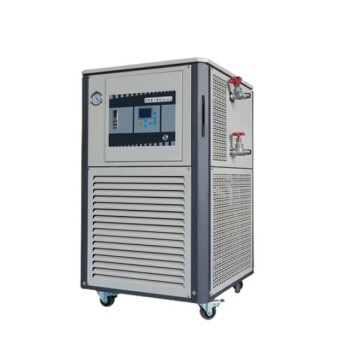
- High Temperature Constant Temperature Heating Circulator Water Bath Chiller Circulator for Reaction Bath
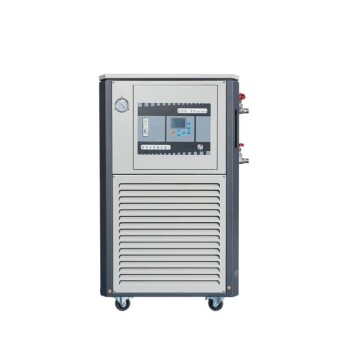
- 5L Heating Chilling Circulator Cooling Water Bath Circulator for High and Low Temperature Constant Temperature Reaction
- 50L Heating Chilling Circulator Cooling Water Bath Circulator for High and Low Temperature Constant Temperature Reaction
People Also Ask
- How do high-pressure and high-temperature reactors ensure the effective treatment of lignocellulosic wastewater in WAO?
- What equipment is required for high-pressure high-temperature reactions? Master Extreme Chemistry Safely
- How do you control high pressure in a reactor? A Guide to Safe & Stable Operation
- How does initial oxygen pressure affect the wet oxidation of pharmaceutical sludge? Master Your Oxidation Depth
- Why is argon better than nitrogen for inert atmosphere? Ensure Absolute Reactivity & Stability