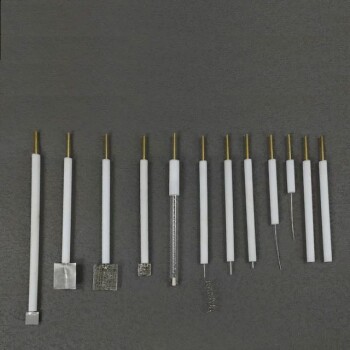
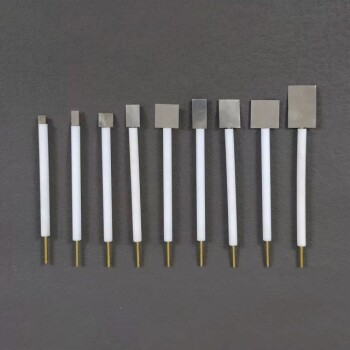
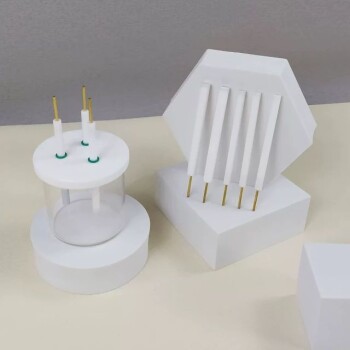
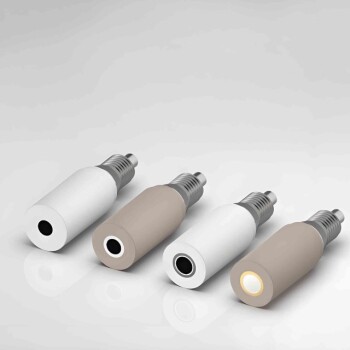
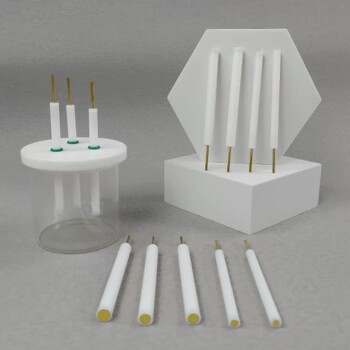
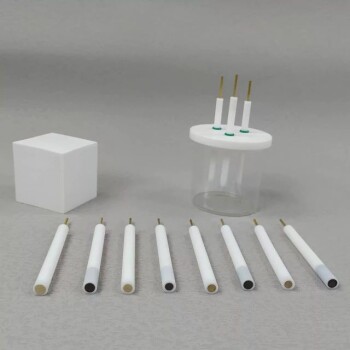
The platinum counter electrode functions as the critical stabilizer of the electrical circuit within bioelectrochemical systems. It serves as an inert, highly conductive medium that completes the circuit and balances the oxidation reactions occurring at the working electrode. By doing so, it allows for accurate measurement and electron flow without chemically altering the system's environment.
Core Takeaway Platinum is utilized primarily for its exceptional chemical inertness and electrochemical stability. It allows researchers to close the electrical loop and maintain a stable potential distribution without releasing impurities or interfering with the sensitive biological reactions under investigation.
The Mechanics of the Counter Electrode
To understand the role of platinum, one must first understand the architecture of the electrochemical cell.
Completing the Circuit
For any electrochemical reaction to occur, there must be a complete circuit for current to flow. The platinum electrode acts as the conduit for this current.
It closes the electrical loop with the working electrode. Without this connection, charge cannot flow, and the bioelectrochemical process halts immediately.
Balancing Reaction Dynamics
Reactions at the working electrode—typically oxidation in these systems—create an electrical imbalance that must be neutralized. The counter electrode facilitates the necessary reduction reaction to balance this charge.
Platinum handles this task efficiently due to its high catalytic activity. It ensures the "books are balanced" electrically without becoming a bottleneck for the system's speed.
Why Platinum is the Material of Choice
Platinum is not selected arbitrarily; it is chosen to solve specific chemical challenges that cheaper materials cannot handle.
Unmatched Chemical Inertness
The defining characteristic of platinum in this context is its refusal to react with the electrolyte. As noted in the references, it remains chemically inert even in aggressive acidic or chloride environments.
This prevents the electrode from corroding or dissolving. Consequently, it stops impurity ions from entering the solution, which could otherwise poison the biological culture or skew data.
Preserving System Composition
Because platinum does not oxidize easily, it protects the integrity of the chemical composition inside the reactor.
It ensures that the changes measured are solely due to the bioelectrochemical reactions of interest. It does not introduce variables by releasing its own material into the mix.
Stabilizing Potential Distribution
Platinum helps maintain a uniform and stable potential distribution across the reactor. This stability is vital for consistent experimental conditions.
By providing a reliable surface for electron transfer, it prevents fluctuations in voltage that could stress the biological components or create noise in the data.
Understanding the Trade-offs
While platinum is the technical standard for accuracy, it is important to understand the practical implications of its use.
Cost vs. Performance
The primary drawback of platinum is its status as a precious metal. It represents a significant cost driver in reactor construction compared to carbon or stainless steel.
However, this cost is the price of precision. Using cheaper materials risks corrosion and data contamination, effectively trading budget for reliability.
Specificity of Application
Platinum is chosen specifically for its non-interference. It is an "inert" tool.
This means it contributes nothing to the biological growth itself; its sole role is to facilitate the physics of the circuit. It is a support structure, not a biological reactant.
Making the Right Choice for Your Goal
When designing a bioelectrochemical system, the choice of counter electrode dictates the quality of your results.
- If your primary focus is data integrity and purity: Choose platinum to ensure no impurity ions leach into your electrolyte and skew biological results.
- If your primary focus is electrical stability: Rely on platinum’s high conductivity and catalytic activity to maintain a consistent potential distribution.
Platinum remains the premier choice for researchers who require absolute certainty that their electrical measurements reflect the biological reality, not electrode degradation.
Summary Table:
| Feature | Function in Bioelectrochemical Systems | Benefit to Researcher |
|---|---|---|
| Chemical Inertness | Prevents corrosion and ion leaching into electrolyte | Protects biological cultures from contamination |
| High Conductivity | Facilitates seamless electron flow and circuit completion | Ensures accurate and responsive measurements |
| Catalytic Activity | Balances reactions at the working electrode efficiently | Maintains system equilibrium without bottlenecks |
| Potential Stability | Provides a uniform potential distribution | Delivers consistent, repeatable experimental data |
Elevate Your Research Precision with KINTEK
Don't let electrode degradation compromise your bioelectrochemical data. KINTEK specializes in high-performance laboratory solutions, providing premium platinum electrodes, electrolytic cells, and advanced electrochemical tools designed for absolute chemical inertness and stability.
Whether you are developing biosensors or exploring microbial fuel cells, our comprehensive portfolio—including high-temperature reactors, precise crushing systems, and specialized consumables like PTFE and ceramics—is engineered to meet the rigorous demands of modern science.
Ready to ensure the integrity of your next experiment? Contact our technical experts today to find the perfect electrochemical components for your laboratory.
References
- Nesrine Saidi, Habib Chouchane. Enhanced bioelectrochemical degradation of Thiabendazole using biostimulated Tunisian hypersaline sediments: kinetics, efficiency, and microbial community shifts. DOI: 10.3389/fmicb.2024.1529841
This article is also based on technical information from Kintek Solution Knowledge Base .
Related Products
- Platinum Auxiliary Electrode for Laboratory Use
- Platinum Sheet Electrode for Laboratory and Industrial Applications
- Rotating Platinum Disk Electrode for Electrochemical Applications
- Platinum Sheet Electrode for Battery Lab Applications
- RRDE rotating disk (ring disk) electrode / compatible with PINE, Japanese ALS, Swiss Metrohm glassy carbon platinum
People Also Ask
- What is the function of a platinum electrode as an auxiliary electrode? Ensure Precise Nickel Coating Corrosion Testing
- Why is platinum typically selected as the auxiliary electrode for electrochemical testing of oxazoline inhibitors?
- What does the auxiliary electrode do? Ensuring Accurate Electrochemical Measurements
- What are the roles of Pt counter and reference electrodes in nitrided steel testing? Optimize Your Electrochemical Data
- What are the advantages of using a platinum counter electrode? Ensure Purity in Photocatalytic Coating Deposition