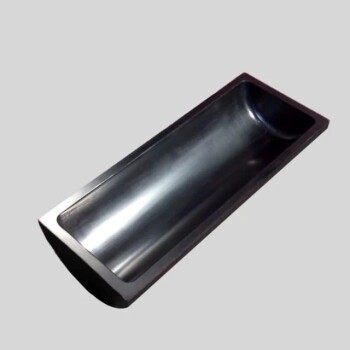
A stainless steel tubular reactor provides the critical thermal and atmospheric conditions necessary for effective pyrolysis. Specifically, it maintains a stable, oxygen-free environment capable of sustaining temperatures exceeding 500°C to ensure the complete thermal decomposition of Meranti wood sawdust.
Core Takeaway: By isolating the biomass in a sealed, high-temperature vessel, the reactor forces thermal decomposition rather than combustion, effectively converting solid wood into valuable bio-oil, bio-char, and syngas.
The Role of the Reactor Environment
To successfully process Meranti wood sawdust, the reactor must impose strict physical conditions.
High-Temperature Stability
The reactor is engineered to withstand extreme heat, specifically temperatures exceeding 500°C.
Despite this intense thermal stress, the stainless steel construction maintains structural stability. This ensures the vessel does not deform or fail during the volatile decomposition process.
Oxygen-Free Conditions
The reactor creates a closed and controlled environment that strictly excludes oxygen.
This is the defining requirement for pyrolysis. If oxygen were present at these temperatures, the sawdust would simply burn (combust) rather than decomposing into chemically useful fuels.
Complete Biomass Conversion
Within this heated, sealed chamber, the Meranti wood sawdust undergoes full thermal decomposition.
The reactor facilitates the transformation of solid biomass into three distinct products: liquid bio-oil, solid bio-char, and gaseous syngas.
Critical Prerequisites and Trade-offs
While the reactor provides the conditions for conversion, the quality of the output depends heavily on feedstock preparation.
The Importance of Moisture Control
Before entering the reactor, the raw material requires pre-processing. Meranti wood sawdust is typically dried in a laboratory oven at approximately 60°C for 2 hours.
Preventing Product Contamination
This drying step is essential because the reactor's closed nature would otherwise trap moisture.
Effective drying prevents water from contaminating the final bio-oil product. This enhances the bio-oil's stability and heating value while reducing the complexity of separating water from the fuel later.
Optimizing Your Pyrolysis Process
To achieve the best results with Meranti wood sawdust, align your process with these key principles.
- If your primary focus is Process Safety: Rely on the stainless steel construction to maintain structural integrity during operations exceeding 500°C.
- If your primary focus is Product Quality: Rigorously pre-dry the sawdust to ensure your bio-oil remains undiluted and possesses a higher heating value.
Success relies on combining the reactor's thermal capabilities with precise feedstock preparation.
Summary Table:
| Requirement | Role of Stainless Steel Tubular Reactor | Impact on Pyrolysis |
|---|---|---|
| Temperature | Sustains constant heat > 500°C | Ensures complete thermal decomposition of biomass |
| Atmosphere | Sealed, oxygen-free environment | Prevents combustion and promotes fuel conversion |
| Structural Integrity | High-grade stainless steel construction | Prevents deformation under intense thermal stress |
| Moisture Control | Traps internal environment | Requires pre-dried feedstock for high-purity bio-oil |
Elevate Your Biomass Research with KINTEK Precision
Unlock the full potential of your pyrolysis projects with KINTEK’s high-performance laboratory solutions. Whether you are converting Meranti wood sawdust or exploring advanced chemical synthesis, our specialized high-temperature high-pressure reactors and autoclaves provide the precise thermal stability and controlled environments your research demands.
From high-grade stainless steel tubular reactors to advanced crushing, milling, and sieving systems for feedstock preparation, KINTEK offers a comprehensive portfolio of tools—including muffle furnaces, vacuum systems, and essential ceramics—designed to optimize your yields and ensure product purity.
Ready to scale your results? Contact our technical experts today to find the perfect equipment for your laboratory and experience the KINTEK advantage in reliability and innovation.
References
- Yeti Widyawati. Application of Central Composite Design in the Pyrolysis Process for Making Bio-Oil Based on Meranti Wood Sawdust (Shorea pinang). DOI: 10.37637/ab.v6i3.1457
This article is also based on technical information from Kintek Solution Knowledge Base .
Related Products
- Electric Rotary Kiln Small Rotary Furnace Biomass Pyrolysis Plant
- Stainless High Pressure Autoclave Reactor Laboratory Pressure Reactor
- Electric Rotary Kiln Continuous Working Small Rotary Furnace Heating Pyrolysis Plant
- Electric Rotary Kiln Pyrolysis Furnace Plant Machine Calciner Small Rotary Kiln Rotating Furnace
- Customer Made Versatile CVD Tube Furnace Chemical Vapor Deposition Chamber System Equipment
People Also Ask
- What is the temperature of a rotating kiln? It Depends on Your Material and Process Goal
- What are the different types of calciners? A Guide to Selecting the Right Thermal Processing Equipment
- What are the principles of a rotary kiln? Master the Mechanics of High-Temperature Processing
- How are rotary kilns heated? Direct vs. Indirect Heating Methods Explained
- Is rotary kiln a furnace? Discover the Key Differences for Industrial Processing