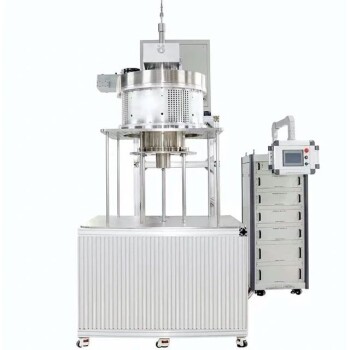
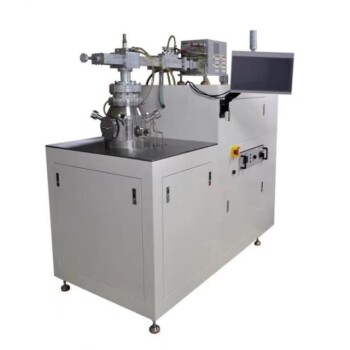
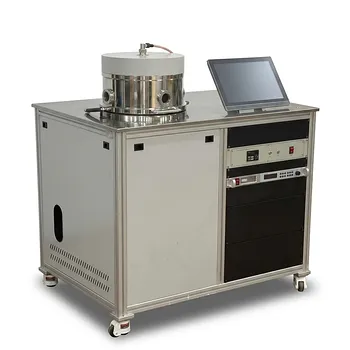
A high-frequency induction plasma reactor functions as a high-energy thermal environment designed to rapidly transform standard titanium dioxide into specialized nano-scale Magnéli phases. By utilizing extreme synthesis energy, it facilitates a gas-phase process that converts micron-sized precursors into nano-scale particles with unique chain-like structures.
The core value of this reactor lies in its ability to execute complex reductions and phase transformations in a very short timeframe. It replaces slow solid-state methods with a high-energy gas-phase process, offering precise control over the material's oxygen deficiency and final structure.
The Mechanics of Plasma Synthesis
Extreme Thermal Induction
The reactor provides an environment of extreme synthesis energy. This thermal induction is necessary to overcome the thermodynamic barriers associated with altering the crystal structure of stable titanium dioxide.
From Micron to Nano
The process begins with micron-sized rutile titanium dioxide precursors. Through the reactor's gas-phase processing, these relatively large particles are vaporized and condensed.
Rapid Phase Transformation
This technology enables complex reduction to occur within a short period. The high-energy plasma accelerates the chemical changes required to convert the precursor material into the desired Magnéli phase.
Controlling Material Properties
Tuning Oxygen Deficiency
A critical function of the reactor is enabling precise control over oxygen deficiency levels. By carefully adjusting the plasma atmosphere, operators can fine-tune the stoichiometry of the final product.
Structural Outcomes
The synthesis results in specific morphological characteristics. The reactor produces nano-scale particles, often arranged in distinct chain-like structures, which differentiates this method from other synthesis techniques.
Understanding the Trade-offs
High Energy Requirements
The provision of extreme synthesis energy implies a significant power demand. While effective, this method is energy-intensive compared to lower-temperature synthesis routes.
Process Sensitivity
Achieving the correct phase relies heavily on precise atmospheric control. Small deviations in the plasma atmosphere can alter the oxygen deficiency, potentially resulting in an off-spec phase rather than the targeted Magnéli material.
Making the Right Choice for Your Project
The high-frequency induction plasma reactor is a powerful tool when specific nanostructural properties and rapid processing are required.
- If your primary focus is process speed: Leverage the reactor’s ability to perform complex reductions and phase transformations within a short period to increase throughput.
- If your primary focus is material tuning: Concentrate on adjusting the plasma atmosphere to dictate the exact oxygen deficiency levels required for your application.
This technology offers a sophisticated pathway for converting abundant rutile precursors into high-value, nano-scale Magnéli phase materials through controlled, high-energy physics.
Summary Table:
| Feature | Induction Plasma Reactor Function |
|---|---|
| Core Process | High-energy gas-phase transformation |
| Precursor | Micron-sized rutile titanium dioxide |
| Final Structure | Nano-scale particles with chain-like morphology |
| Key Capabilities | Precise oxygen deficiency control & rapid phase reduction |
| Primary Benefit | High-value material synthesis in short timeframes |
Elevate Your Nano-Material Research with KINTEK
Unlock the potential of advanced material synthesis with KINTEK’s industry-leading thermal processing solutions. Whether you are developing nano-scale Magnéli phases or exploring battery research, our comprehensive range of high-temperature induction furnaces, CVD/PECVD systems, and high-pressure reactors provides the precision and energy control your laboratory demands.
From high-purity ceramic crucibles to robust vacuum and atmosphere furnaces, KINTEK specializes in empowering researchers with the tools needed for complex phase transformations and material tuning.
Ready to optimize your synthesis process? Contact KINTEK today to discover how our specialized laboratory equipment and consumables can accelerate your breakthroughs.
References
- Aditya Farhan Arif, Kikuo Okuyama. Highly conductive nano-sized Magnéli phases titanium oxide (TiOx). DOI: 10.1038/s41598-017-03509-y
This article is also based on technical information from Kintek Solution Knowledge Base .
Related Products
- Microwave Plasma Chemical Vapor Deposition MPCVD Machine System Reactor for Lab and Diamond Growth
- 915MHz MPCVD Diamond Machine Microwave Plasma Chemical Vapor Deposition System Reactor
- Customer Made Versatile CVD Tube Furnace Chemical Vapor Deposition Chamber System Equipment
- Cylindrical Resonator MPCVD Machine System Reactor for Microwave Plasma Chemical Vapor Deposition and Lab Diamond Growth
- Inclined Rotary Plasma Enhanced Chemical Vapor Deposition PECVD Equipment Tube Furnace Machine
People Also Ask
- How does a microwave plasma reactor facilitate the synthesis of diamond? Master MPCVD with Precision Technology
- What are the advantages of a Microwave Plasma CVD reactor for MCD/NCD coatings? Precision Multilayer Diamond Engineering
- How do vacuum pumps and valves collaborate in MPCVD? Achieve Precise Pressure Control for Superior CNT Synthesis
- How does MPCVD work? A Guide to Low-Temperature, High-Quality Film Deposition
- What is microwave plasma chemical vapor deposition? A Guide to High-Purity Diamond Film Growth